
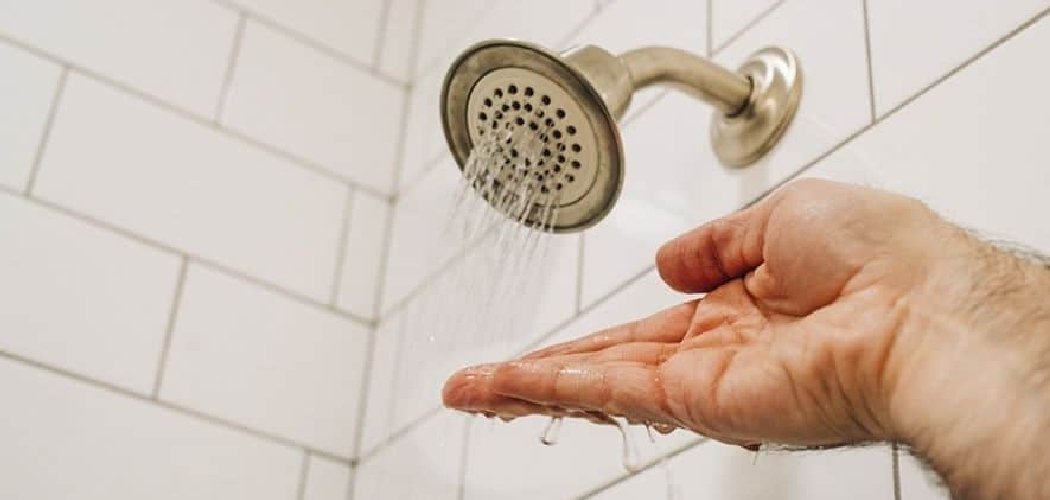
You crank the shower to full pressure expecting that wide, even downpour, and instead you get a sad, crooked spray shooting sideways from three clogged nozzles. Then you reach for a wire pick and start jabbing at the holes — and now you’ve scratched the finish and shoved the mineral gunk deeper inside. Those clogged jets are just hardened limescale, and they come off with a soak, not a stab.
The trick to how to clean rainfall shower head is patience and the right solvent, not force. These wide fixtures trap far more mineral buildup than a standard head because they have so many nozzles and sit flat, so water pools and dries in them. Get the soak right and the pressure comes back like new.
What You’ll Need
- White vinegar (a full bottle for large heads)
- A gallon-size or larger plastic bag, or a bucket for detachable heads
- A sturdy rubber band or zip ties
- An old toothbrush or soft-bristle brush
- Microfiber cloths
- Baking soda for stubborn spots
- A wrench and plumber’s tape (only if you’re removing the head)
- Rubber gloves
- A soft cloth or towel to protect the finish
Skip the wire brushes, metal picks, and abrasive scouring pads. On a brushed nickel or matte black finish, those leave scratches you can’t undo, and I’ve seen more heads ruined by aggressive scrubbing than by the limescale itself.
Decide Whether to Soak in Place or Remove the Head
Before anything else, look at how your head is mounted. If it’s on a flexible hose or twists off easily by hand, take it down and soak it in a bucket — that’s faster and lets the vinegar reach every angle. If it’s fixed on a rigid arm high on the wall, you’ll bag it in place instead.
Removing a fixed head with a wrench is possible, but you risk cracking old plumber’s tape or stripping the threads, and then you’re dealing with a leak. For most people, the bag method is the safer call.
Bag-Soak a Fixed Rainfall Head
For a head you’re leaving mounted, fill a strong plastic bag with enough white vinegar to fully submerge the face of the head. Raise the bag up around the fixture so every nozzle sits under the vinegar, then secure it tightly with a rubber band or zip ties around the neck of the arm.

Check that the bag isn’t sagging and pulling the nozzles above the liquid line. Large rainfall heads are heavy on one side, so double up the rubber band if the bag droops. Leave it to soak.
How Long to Soak
Give it 30 minutes for light buildup and up to a few hours for heavy scale. Don’t leave vinegar on brass, nickel, or coated finishes overnight — prolonged acid contact can dull or discolor the coating. Plain chrome and stainless steel handle longer soaks better.
If your buildup is stubborn, it’s better to do two shorter soaks with a scrub in between than one marathon soak that risks the finish.
Soak a Detachable Head in a Bucket
If you took the head down, submerge it face-down in a bucket or bowl of vinegar so the nozzles are fully covered. Weigh it down with a cloth-wrapped jar if it floats. Same timing applies — 30 minutes to a few hours depending on buildup.
While it soaks, wrap the exposed threads in a damp cloth so they don’t dry out crusty, and give the connection point a quick wipe. That’s the spot where grime hides once the head is off.
Scrub the Nozzles and Rinse
After soaking, pull off the bag or lift the head out and scrub the face with an old toothbrush. Work in small circles over the nozzle plate to loosen the softened scale. On silicone or rubber nozzles, you can rub your thumb across them — the buildup rolls right off once the vinegar has done its work.
Run warm water through the head for a minute to flush loose debris out of the internal channels. Turn it to full pressure so the water pushes any freed particles clear rather than leaving them to re-clog.
Tackle Any Remaining Clogged Jets
If a few nozzles still spray crooked, make a thin paste of baking soda and water, dab it on the stubborn holes, and let it sit for ten minutes before a final scrub. For rubber nozzles, keep rubbing with your thumb — never poke a metal pick through them, since that tears the flexible tips and ruins the spray pattern for good.
Rinse once more, then dry the whole face with a microfiber cloth to stop new water spots from setting in.
Vinegar vs. Other Cleaning Methods
| Method | Best For | Watch Out For |
| White vinegar soak | Limescale, hard-water buildup on chrome and stainless | Don’t leave on brass, nickel, or coated finishes for hours |
| Baking soda paste | Spot-treating stubborn individual nozzles | Rinse fully — residue can dry white and cloudy |
| Commercial descaler | Very heavy scale, quick jobs | Follow label timing; ventilate; not all are finish-safe |
| Lemon juice | Light buildup, when you’re out of vinegar | Weaker and slower than vinegar; still acidic on coatings |
| Wire pick / metal brush | Nothing — avoid | Scratches finishes and tears rubber nozzles permanently |
Common Mistakes to Avoid
- Poking nozzles with metal. Wire picks and toothpicks tear rubber jets and scratch metal faces. Let the soak dissolve the buildup instead.
- Over-soaking coated finishes. Brushed nickel, matte black, and brass can dull or discolor after hours in vinegar. Keep those soaks short and rinse well.
- Using abrasive pads. Scouring pads and gritty powders leave permanent scratches. Stick to a soft toothbrush.
- Forgetting to flush the head. Loosened scale settles right back into the channels if you don’t run water through at full pressure afterward.
- Skipping the dry-off. Air-drying leaves fresh mineral spots on the face, so you’re back where you started within days.
- Cranking a fixed head off with a wrench when you don’t need to. You risk stripping threads and causing leaks. Bag-soak it in place unless it comes off easily by hand.
Safety and Warnings
Vinegar is mild, but it’s still an acid, so wear gloves if your hands are sensitive and keep it out of your eyes when you’re reaching up to secure a bag overhead. Never mix vinegar with bleach or any bleach-based cleaner — the combination releases toxic chlorine gas, and a small enclosed bathroom is the worst place for that.
If you switch to a commercial descaler, read the label, run the exhaust fan or open a window, and never combine it with vinegar or other cleaners. Test any new product on a hidden spot of the finish first, and if you remove the head, wrap the threads in fresh plumber’s tape before reinstalling so it seals without leaking. Keep the step stool steady if you’re working on a high fixed head — most bathroom accidents happen reaching overhead on a wet floor.
How to Keep Your Rainfall Shower Head Clean Longer
- Wipe the face after showers. A quick swipe with a towel clears the water sitting in the nozzles before it dries into scale.
- Do a short vinegar soak monthly. A 30-minute soak once a month stops buildup from ever getting hard enough to clog jets.
- Rub rubber nozzles weekly. If your head has silicone tips, a few seconds of thumb-rubbing under running water flicks off fresh mineral specks.
- Consider a water softener or filter. In hard-water areas, an inline shower filter slows scale dramatically and stretches the time between deep cleans.
- Run hot water for a minute after a soak. Flushing the channels keeps the internal path clear, not just the visible face.
- Leave a squeegee or cloth in the shower. Making the wipe-down effortless is the only way it actually gets done.
In hard-water regions, scale builds noticeably faster in winter when hot showers run longer and the water heater pushes harder — I always told clients to bump up to twice-monthly soaks through the cold months and they’d stop calling me about weak pressure.
Frequently Asked Questions
How do you clean a rainfall shower head without removing it?
Fill a strong plastic bag with white vinegar, raise it around the head so all the nozzles are submerged, and secure it tightly to the arm with a rubber band. Let it soak for 30 minutes to a few hours, then remove the bag, scrub the face with a toothbrush, and flush with warm water at full pressure.
Can you leave vinegar on a shower head overnight?
Only on plain chrome or stainless steel, and even then it’s rarely necessary. On brass, nickel, matte black, or any coated finish, long vinegar contact can dull or discolor the surface. For tough buildup, do two shorter soaks with a scrub in between rather than one overnight soak.
Why is my rainfall shower head spraying weak or sideways?
Almost always mineral buildup clogging the nozzles. Hard-water scale hardens inside and around the jets, blocking the flow and pushing water out at odd angles. A vinegar soak dissolves it and restores the even downpour — no need to replace the head.
What can I use instead of vinegar to clean a shower head?
Lemon juice works for light buildup since it’s also acidic, though it’s slower than vinegar. A baking soda paste handles stubborn individual nozzles. For heavy scale, a commercial descaler is faster — just ventilate the room, follow the label, and never mix it with vinegar or bleach.

How often should you clean a rainfall shower head?
A quick vinegar soak once a month keeps buildup from ever hardening. If you have hard water, go to twice a month, especially in winter when hot showers run longer. Wiping the face dry after each shower stretches the time between deep cleans.
How do you clean the rubber nozzles on a shower head?
After a vinegar soak, rub your thumb across the soft silicone or rubber tips under running water — the softened buildup rolls right off. Never poke them with a pick or pin, since that tears the flexible nozzles and permanently ruins the spray pattern.
Final Thoughts
Let the vinegar do the heavy lifting, keep the soak short on coated finishes, and always flush and dry the head afterward. A monthly ten-minute habit keeps that wide, even downpour coming and saves you from ever buying a replacement head you didn’t need.
