
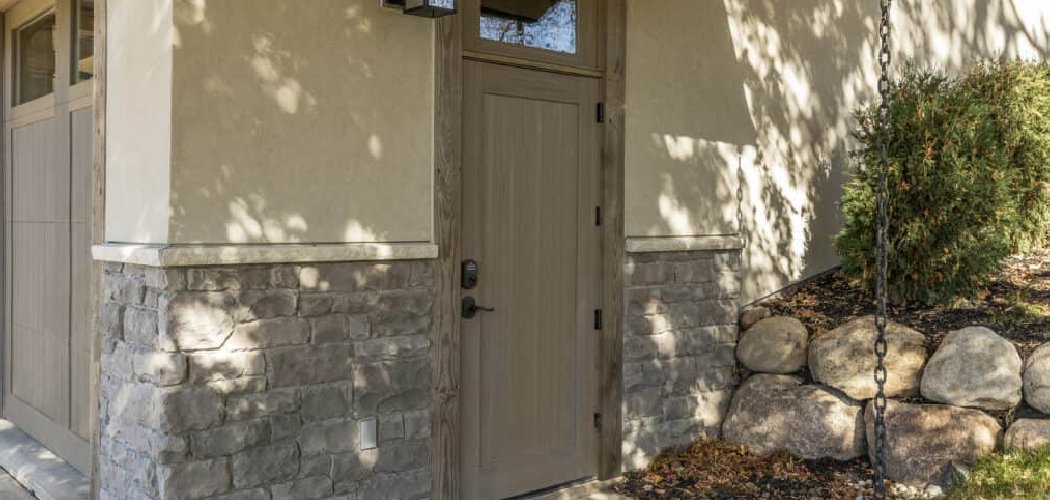
You grab the kitchen bleach spray and a rough scouring pad, thinking you’ll blast off that green film building up along the bottom of your front door. Ten minutes later the grime is gone, but so is the shine — you’ve left a dull, cloudy patch on the GRP skin that catches the light every time you walk up the path, and no amount of buffing brings it back.
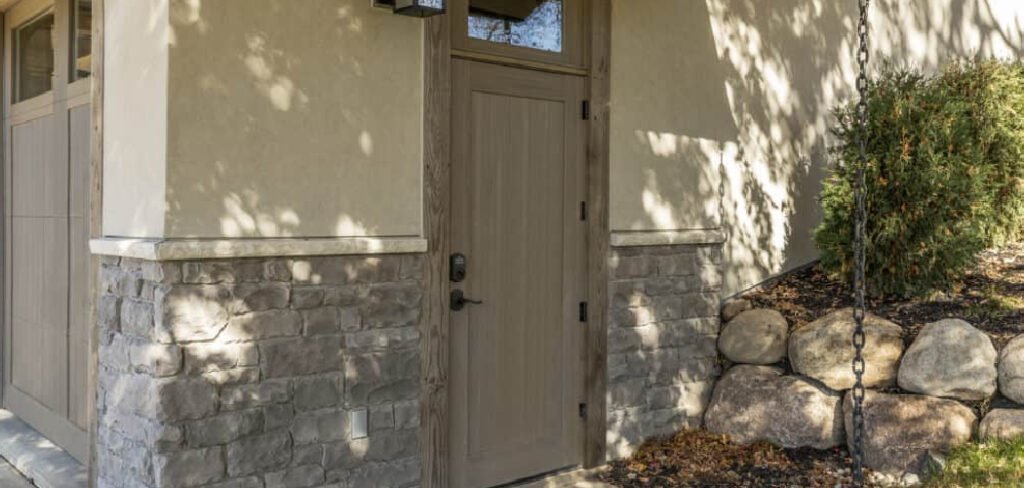
That single abrasive scrub is the fastest way to ruin an expensive door. Learning how to clean a composite door properly comes down to one idea: the glossy outer skin is tough against weather but soft against harsh chemicals and scratches. Treat it gently, and it stays looking new for years.
What You’ll Need
- Two buckets (one for soapy water, one for clean rinse water)
- A soft microfiber cloth or two
- A soft sponge (non-scratch, no green scouring side)
- A soft-bristle brush for textured woodgrain finishes
- Mild dish soap or a pH-neutral cleaner
- Warm water (never hot)
- A dry lint-free towel or chamois
- White vinegar (for hard-water spots)
- A silicone-based or manufacturer-approved door lubricant
- Petroleum jelly or a specialist seal conditioner (for the rubber gaskets)
- Rubber gloves
Keep bleach, oven cleaner, acetone, white spirit, and any “cream” or powder scrub well away from the door. They eat into the glossy finish and leave permanent cloudy marks. Pressure washers are off the table too — the force drives water past the seals and into the frame.
Dust and Dry-Brush the Surface First
Never take a wet sponge to a dirty door before clearing the loose grit. Dust, pollen, and cobwebs turn to a gritty paste the moment they meet water, and dragging that paste across the surface is what puts fine scratches in the skin.
Run a dry microfiber cloth over the whole face of the door, top to bottom. Pay attention to the moulded panel edges and the corners where spiders love to set up in autumn. For a woodgrain-textured door, use a soft-bristle brush to lift dirt out of the grain lines — a flat cloth just skims over the top and leaves the grooves dirty.
Wash the Door Face With Mild Soapy Water
Once the loose dirt is gone, mix a few drops of mild dish soap into a bucket of warm water. You want it lightly sudsy, not a thick foam.
Dip your soft sponge, wring it out so it’s damp rather than dripping, and wipe the door in sections from the top down. Working top to bottom stops dirty runoff from streaking over areas you’ve already cleaned. Follow the direction of the woodgrain if your door has one. Rinse your sponge often in the clean-water bucket so you’re not just moving grime around. Get into the recessed panels and the beading around any glass — that’s where a season’s worth of dirt hides.

Tackle the Glass and Any Decorative Panels
Clean the glazing separately with a dedicated glass cleaner or a splash of white vinegar in water. Buff it dry with a lint-free cloth for a streak-free finish.
Be careful around the beading and the seal between glass and door. Don’t let cleaner pool in those joints — wipe any excess straight away so moisture doesn’t sit against the seal.
Deal With Green Algae and Weathered Grime
North-facing doors and shaded porches build up a green algae film, usually worst after a damp winter. This is the stain clients used to call me about most — they’d assume the door was stained for good.
Nine times out of ten, warm soapy water and a soft brush lift it right off with a bit of patience. For stubborn patches, use a diluted white vinegar solution (one part vinegar to four parts water), let it sit for a couple of minutes, then gently work it with the sponge and rinse well. Skip the mould-and-mildew bleach sprays sold for patios — they’re far too harsh for the door skin.
Rinse and Dry to Prevent Water Spots
Leaving a composite door to air-dry is a small mistake that leaves marks, especially in hard-water areas.
Wipe the whole door down with clean water and a fresh sponge to lift off every trace of soap. Soap residue left to dry attracts dirt faster and can dull the finish. Then dry the door with a lint-free towel or chamois. This final buff is what gives you that clean, glossy look and stops the white mineral spots that hard water leaves behind.
Clean and Condition the Seals and Hardware
The rubber gaskets around the door do the real work of keeping weather out, and they dry out over time.
Wipe the seals with a barely-damp cloth to clear grit, then run a thin smear of petroleum jelly or a proper seal conditioner along them. This keeps them supple so they don’t crack or stick. For the handle, letterplate, and hinges, buff with a dry microfiber cloth. If they’re chrome or brushed metal, avoid metal polish with grit in it — it scratches the coating.
Safe vs. Unsafe Products for a Composite Door
One wrong product can do more damage in a single wipe than years of weather. Here’s what belongs near your door and what doesn’t.
| Safe to Use | Avoid on a Composite Door |
| Mild dish soap, well diluted | Bleach or mould/mildew sprays |
| pH-neutral cleaner | Oven cleaner or caustic cleaners |
| Warm water | Hot or boiling water |
| Soft microfiber cloth | Scouring pads or wire wool |
| Non-scratch sponge | Cream or powder abrasive cleaners |
| Soft-bristle brush (for grain) | Acetone, white spirit, or solvents |
| Diluted white vinegar (for spots) | Pressure washer or jet wash |
| Silicone-based lubricant for hinges | Metal polish with grit on the finish |
A quick word on WD-40: people reach for it out of habit on a squeaky hinge, but it attracts dust and can gum up the mechanism over time. A dry PTFE or silicone spray designed for door locks and hinges is the right tool.
Common Mistakes to Avoid
- Using abrasive pads or cream cleaners. These scratch the glossy skin and leave permanent cloudy patches. Stick to a soft sponge or cloth.
- Reaching for bleach or solvents. Harsh chemicals discolor the finish and dry out the seals. Mild soap handles almost everything.
- Pressure washing the door. The force pushes water past the seals into the frame and can loosen the beading around the glass.
- Scrubbing dry grit into the surface. Always dust or brush first, or you’ll grind dirt into the skin.
- Letting the door air-dry in a hard-water area. You’ll be left with chalky mineral spots. Buff it dry instead.
- Ignoring the seals. Dry, cracked gaskets let draughts and water in. A quick conditioning keeps them working.
- Using hot water. Very hot water can soften or mark certain finishes. Warm is all you need.
Safety and Warnings
Cleaning a composite door is low-risk for you — it’s mostly warm water and mild soap — but a few precautions protect both you and the door.
- Never mix cleaning products. Don’t combine bleach with vinegar or any ammonia-based cleaner. The fumes are genuinely dangerous. Since you shouldn’t use bleach on the door at all, this is easy to sidestep — stick to one mild cleaner.
- Test any new cleaner in a hidden spot first. Try it on the bottom edge or hinge side before touching the main face. Finishes vary between brands, and a hidden test saves the whole door.
- Wear gloves. Even mild detergent dries out your hands over a long clean, and vinegar can sting any small cuts.
- Keep footing in mind. If you’re reaching the top of a tall door, use a stable step stool rather than stretching on tiptoe with a wet sponge in hand.
- Ventilate if using vinegar indoors. On an inward-opening door, crack a window — the smell is strong in a closed hallway.
Maintenance and Prevention Tips
A little routine care keeps deep cleans rare and your door looking new far longer:
- Wipe it down monthly. A quick warm-soapy-water wash once a month stops grime and algae from ever building up into a hard job.
- Clean the seals twice a year. Condition the rubber gaskets in spring and autumn so they stay supple through the temperature swings.
- Lubricate the hinges and lock every six months. A drop of silicone lubricant keeps the mechanism smooth and prevents that stiff, sticky feeling.
- Dry off standing water in winter. After heavy rain, wipe the bottom rail and threshold so water isn’t sitting against the seal in freezing weather.
- Tackle algae early. On a shaded or north-facing door, catch the green film while it’s light — it wipes off in seconds before it’s had time to set.
- Keep sharp objects clear. Watch keys, buckles, and dog claws near the surface; the skin resists weather but still scratches under a hard edge.
- Adjust the hinges if it starts to drag. A door that catches the frame wears the seal unevenly — a small hinge adjustment saves the gasket.
Frequently Asked Questions
What is the best thing to clean a composite door with?
Warm water with a few drops of mild dish soap and a soft microfiber cloth or non-scratch sponge. That’s all it takes for routine cleaning. For hard-water spots or light algae, a diluted white vinegar solution works well. Skip anything abrasive or bleach-based, which damages the finish.

Can you use bleach on a composite door?
No. Bleach and the mould-and-mildew sprays sold for patios are too harsh for the door skin — they discolor the finish and dry out the rubber seals. If you’ve got green algae, warm soapy water and a soft brush lift it off, with diluted white vinegar for stubborn patches.
Why has my composite door gone dull or faded?
Usually it’s a combination of sun exposure over time and, more often, abrasive cleaning. Scouring pads and cream cleaners micro-scratch the glossy skin, which reads as a dull, cloudy patch. Once it’s scratched, it can’t be buffed back, so gentle cleaning from the start is key. Regular waxing with a car-grade non-abrasive polish can help restore some sheen.
Can I use a pressure washer on a composite door?
No. The high-pressure jet forces water past the weather seals and into the frame, and it can loosen the beading that holds the glass. Stick to a bucket, a soft sponge, and a hose on a gentle setting for rinsing if you like.
How do I get green algae off my front door?
Brush off the loose film dry first, then wash with warm soapy water and a soft-bristle brush. For patches that won’t budge, apply a one-part-vinegar-to-four-parts-water solution, let it sit a couple of minutes, then work it gently and rinse thoroughly. Catch it early on shaded doors and it comes off far more easily.
How often should you clean a composite door?
A quick wipe-down once a month keeps it looking fresh and stops grime from setting in. Add a seasonal deep clean in spring and autumn, and condition the seals and lubricate the hinges twice a year while you’re at it.
Keep the products mild, always dust before you wet the surface, and buff the door dry to hold that showroom shine. Look after the seals and hinges alongside the skin, and a good composite door will keep sealing tight and looking sharp for well over a decade.
