
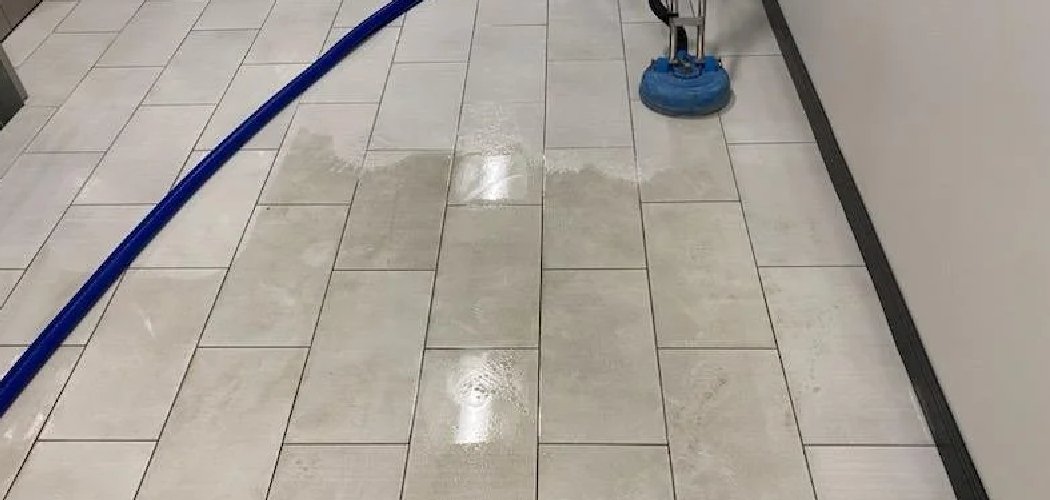
The first warehouse I ever cleaned had a forklift lane running down the middle, and someone had been “cleaning” it for years by pushing a dry dust mop back and forth. All that did was grind grit deeper into the concrete and polish a slick, greasy sheen into the traffic path — the kind that sends a worker onto their back the second the floor gets a little damp.
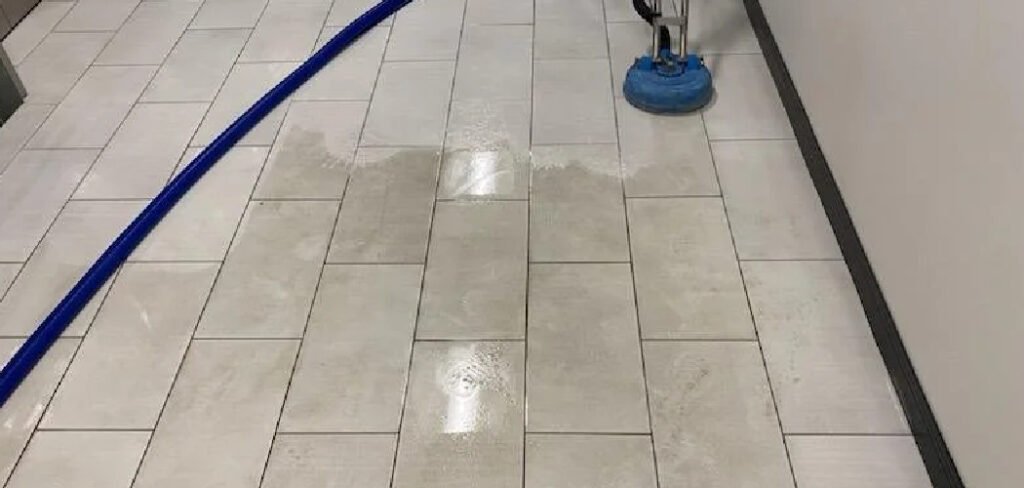
Dry-mopping a warehouse floor without lifting the fine dust first is the single most common mistake I saw, and it quietly wrecks both the surface and the safety.
Knowing how to clean a warehouse floor properly comes down to sequence: pick up the loose debris, then scrub the ground-in grime, then rinse and dry before anyone walks it. Skip a step or run them out of order and you either spread the mess around or leave a slip hazard behind. Get the order right and even a beat-up concrete slab comes back cleaner than the crew expects.
What You’ll Need
Warehouse floors are big, so the right gear saves your back and your afternoon. Match the tools to your square footage — hand equipment for small bays, ride-on or walk-behind machines for anything over a few thousand square feet.
- Push broom with stiff bristles, plus a fine-bristle broom for dust
- Industrial dust mop (or a walk-behind sweeper for large areas)
- Auto-scrubber or a mop and heavy-duty bucket with a wringer
- Wet/dry shop vacuum
- pH-neutral industrial floor cleaner (degreaser for oily zones)
- Stiff deck brush for stubborn spots
- “Wet Floor” and “Caution” signs
- Squeegee for pushing water toward drains
- Absorbent granules or cat litter for fresh oil spills
- Non-slip work boots, gloves, and eye protection
- Clean water for rinsing
Keep a separate mop head and bucket for degreaser zones. Cross-contaminating your general mop with oil residue just smears grease into clean areas.
Sweep and Dust the Loose Debris First
Before any water touches the floor, get every bit of loose grit and dust off it. On a sealed or coated concrete floor, fine dust acts like sandpaper under foot and wheel traffic — leave it down and your scrubbing just rubs it into the finish.
Start at the back wall and work toward your exit or the loading dock so you’re never walking back across the cleaned zone. Use the fine-bristle broom or a dust mop for the open floor, and run a shop vac along the edges, corners, and racking legs where the push broom can’t reach. For big open spans, a walk-behind sweeper does in twenty minutes what a broom does in two hours.
Pre-Treat Oil Stains and Grease Buildup
Forklift lanes, battery-charging stations, and equipment bays collect oil, hydraulic fluid, and grease that a general cleaner won’t touch. Hit these first so they have time to break down.
- Drop absorbent granules on any fresh, wet oil and let them soak it up, then sweep them away.
- Spray or pour your degreaser directly onto the stained area.
- Let it dwell for the time on the label — usually 5 to 10 minutes. Don’t let it dry out.
- Work it in with a stiff deck brush, scrubbing in overlapping passes.
- Leave it wet and move on; you’ll pick this up in the main scrub.
Clients used to ask me why a stain kept “coming back” a day after they cleaned it. Nine times out of ten they rushed the dwell time — sprayed the degreaser and scrubbed it off in thirty seconds. Oil that’s soaked into porous concrete needs those full minutes to lift, or you’re only cleaning the surface film and leaving the rest to wick back up.
Scrub the Main Floor
Now the whole floor gets its wash. Mix your pH-neutral cleaner to the label ratio — more soap doesn’t mean cleaner, it means sticky residue that grabs dust.
If you’re running an auto-scrubber, fill the tank, set a moderate pace, and work in straight, overlapping lanes so you don’t miss strips. By hand, mop in figure-eight strokes across a section, then wring hard and go again. Change your water the moment it turns gray. Dirty water just redeposits grime, and on a large floor you’ll swap it several times.

Work your pre-treated grease zones into the same pass, giving them an extra scrub with the deck brush where the degreaser’s been sitting.
Rinse and Dry Before Foot Traffic Returns
Any cleaner left on the floor dries into a slick, dust-attracting film — this is where a lot of “clean” floors turn into slip hazards. Rinse with clean water, either through the auto-scrubber’s fresh tank or a fresh mop and bucket.
Push standing water toward the floor drains with a squeegee, then let the surface air-dry or speed it up with the wet/dry vac and fans. Keep your caution signs up and the area closed until it’s bone-dry. On a humid summer day, air-drying alone can take far longer than you’d expect, so plan the deep clean for a shift when the bay can stay empty.
Auto-Scrubber vs. Mop and Bucket
Which method fits depends on your square footage, budget, and how often the floor needs a deep clean.
| Factor | Auto-Scrubber | Mop and Bucket |
| Best for | Large open floors (3,000+ sq ft) | Small bays, tight aisles, spot cleaning |
| Speed | Cleans and dries in one pass | Slow; separate rinse and dry needed |
| Cleaning power | Consistent scrub pressure | Depends on your effort |
| Water use | Efficient, recovers dirty water | Wastes water; dirty water spreads grime |
| Drying | Vacuums water as it goes | Leaves floor wet, longer downtime |
| Cost | High upfront or rental fee | Cheap to start |
| Upkeep | Needs charging and maintenance | Almost none |
For anything bigger than a couple of bays, a walk-behind scrubber pays for itself in labor hours fast. A mop still earns its keep for corners, spot spills, and the spaces a machine can’t reach.
Common Mistakes to Avoid
Dry-mopping without dusting first. Dragging a dry mop over a gritty floor grinds abrasive dust into the surface and polishes a slick film into traffic lanes.
Using too much cleaner. Extra soap leaves a sticky residue that pulls dust straight back down. Follow the dilution ratio.
Skipping the rinse. Leftover detergent dries into a slippery, hazy layer — the top cause of “I just cleaned it and it’s already dirty and slick.”
Letting dirty water sit in the bucket. Gray water redeposits everything you just picked up. Change it often.
Rushing degreaser dwell time. Oil needs those full minutes to lift out of porous concrete, or the stain wicks right back.
Reopening the floor while it’s wet. A damp warehouse floor with forklift and foot traffic is an accident waiting to happen. Wait for full dry.
One mop for everything. Using your general mop in oily zones smears grease across the clean floor.
Safety and Warnings
Warehouse floor cleaning carries real hazards — heavy machinery, chemicals, and wet surfaces all at once. Respect them.
- Never mix cleaning chemicals. Bleach and ammonia together release toxic gas. Stick to one product at a time and rinse between different cleaners.
- Read the SDS for your degreaser. Industrial degreasers can be caustic. Follow the required PPE — gloves and eye protection at minimum.
- Ventilate the space. Open dock doors or run fans when using strong degreasers or solvents, especially in enclosed bays.
- Block off wet zones. Set out caution signs and cones, and coordinate with shift supervisors so forklifts and workers stay clear until the floor is dry.
- Test a new cleaner on a hidden patch first. On coated or sealed concrete, an aggressive product can strip or cloud the finish. Try a corner and check it before doing the whole floor.
- Watch your footing. Wear non-slip boots and never rush across a wet section. Most warehouse slips happen to the person doing the cleaning.
- Mind the drains. Check local rules before flushing degreaser or oily water into floor drains — some require containment or disposal.
Maintenance and Prevention Tips
The warehouses that stayed easy to clean were the ones that kept dirt from building up in the first place. A little daily upkeep beats a brutal deep clean every time.
- Sweep or run the sweeper daily. Loose grit is the main thing that wears and dulls a floor. Clearing it each shift protects the surface.
- Put down entrance matting. A good scraper mat at the dock doors traps grit and moisture before wheels and boots track it across the whole floor.
- Deal with spills the moment they happen. Fresh oil lifts easily; a spill left overnight soaks in and stains. Keep absorbent granules stocked near equipment.
- Set a scrub schedule by zone. High-traffic lanes need a deep scrub far more often than quiet storage corners. Match the frequency to the traffic instead of doing the whole floor on one calendar.
- Reseal or recoat when the finish wears. A sealed concrete floor resists stains and cleans up faster. When you notice water soaking in instead of beading, it’s time to reseal.
- Keep charging and fuel areas contained. Drip trays under equipment save you hours of degreasing later.
FAQ
What is the best cleaner for a warehouse concrete floor?
A pH-neutral industrial floor cleaner handles most day-to-day grime without damaging sealed concrete. For oil and grease in forklift lanes and equipment bays, use a dedicated degreaser and give it full dwell time. Skip harsh acids on coated floors — they can strip the finish.

How often should you clean a warehouse floor?
Sweep or run a sweeper daily to clear grit. Deep-scrub high-traffic lanes weekly or more, and lower-traffic storage areas monthly. Match your schedule to the actual traffic in each zone rather than cleaning the whole floor on the same cycle.
How do you get oil stains off a warehouse floor?
Soak up any fresh oil with absorbent granules, then apply a degreaser and let it dwell the full label time — usually 5 to 10 minutes. Scrub with a stiff deck brush and rinse. Deep, old stains in porous concrete may need a second round.
Do you need to seal a warehouse concrete floor?
Sealing isn’t required, but it makes a big difference. A sealed floor resists oil and stains, cleans up faster, and holds up longer under traffic. Once water soaks in instead of beading on top, the seal has worn and it’s time to recoat.
How do you clean a warehouse floor without a scrubber?
Sweep and dust thoroughly, pre-treat grease with degreaser, then mop with a pH-neutral cleaner and a heavy-duty bucket. Change the water often, rinse with clean water, and squeegee it toward the drains. It’s slower than a machine but works fine for smaller floors and tight aisles.
Why does my warehouse floor stay slippery after cleaning?
Almost always it’s leftover cleaner. Too much detergent or a skipped rinse leaves a slick, hazy film. Rinse with clean water after scrubbing and let the floor dry fully before reopening it to traffic.
Nail the sequence — dust, pre-treat, scrub, rinse, dry — and even a neglected slab comes back safe and clean. Keep up the daily sweeping and handle spills fast, and you’ll trade those brutal all-day deep cleans for a quick routine that actually holds.
