

A technician I trained with once mopped a static-dissipative tile floor in a server assembly bay with a splash of regular pine-scented cleaner from the janitor’s closet. Looked spotless. Two weeks later, the floor’s surface resistance readings had jumped out of spec, and the QA team was chasing phantom static failures on boards that had passed the day before.
The culprit wasn’t a broken floor — it was the invisible film that ordinary cleaner left behind, insulating the very surface that’s supposed to bleed static safely to ground.

That’s the whole reason this floor needs its own rulebook. Learning how to clean an ESD floor is really about protecting its electrical properties, not just chasing shine — the wrong soap can quietly turn a working static-control surface into an expensive liability. Get the products and the rinse right, and the cleaning itself is straightforward.
What You’ll Need
Keep it purpose-built. The tools matter less than the chemistry, but using the wrong mop head can undo a good cleaner.
- An ESD-approved neutral floor cleaner (labeled for static-dissipative or conductive flooring)
- A clean, non-shedding microfiber or rayon mop head (dedicated to this floor only)
- Two buckets — one for cleaning solution, one for rinse water
- A soft-bristle broom or, better, a dust mop with a treatment-free head
- A HEPA-filter vacuum if you have one
- Clean warm water for rinsing
- A surface resistance meter (if you’re responsible for keeping the floor in spec)
- Lint-free rags for spot cleaning
- Wet-floor signs
Skip anything with wax, oils, silicones, or “shine” additives. Those are exactly what coats the surface and kills its conductivity. Also skip the mop bucket you use for the break room — cross-contamination from a waxy floor cleaner is a real problem.
Dry-Clean the Loose Debris First
Grit and dust do two things on an ESD floor: they scratch the surface and they interfere with contact between shoes, casters, and the dissipative layer. Clear them before any water touches the floor.
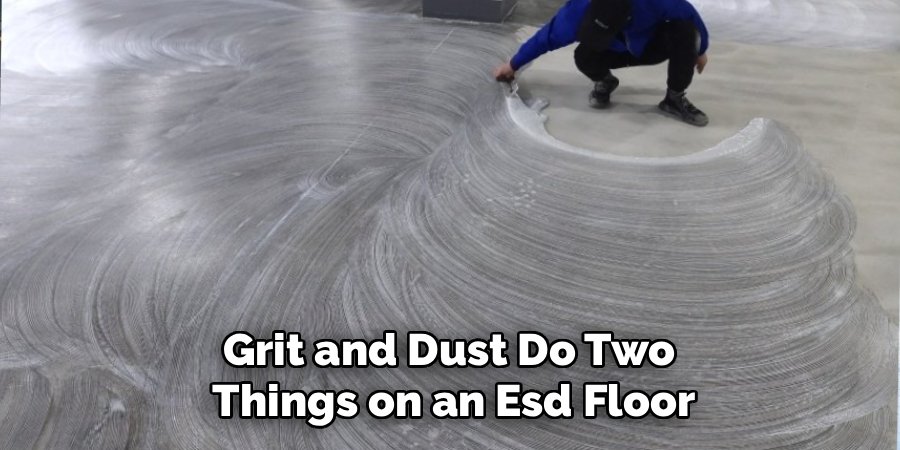
Run a dust mop with an untreated head across the whole area, or vacuum with a HEPA machine if dust control matters in your space. Avoid treated dust-mop heads — the sticky dressing that grabs dust is oil-based, and it leaves a residue that insulates the floor. Push the debris toward a collection point rather than sweeping it around in circles.
Mix an ESD-Safe Neutral Cleaner
The single most important choice is the cleaner. Use a product specifically formulated for static-control floors, or a pH-neutral cleaner the flooring manufacturer approves. These clean without leaving the insulating film that trips up resistance readings.
Follow the dilution on the label exactly. More concentrate does not clean better here — heavy solution dries into a residue that reduces conductivity, which is the opposite of what you want. When I set up a cleaning routine for a lab, I’d write the mix ratio on a laminated card taped above the bucket so no one eyeballed it.
Damp-Mop in Sections
Now the actual wash. Work in manageable sections so nothing dries before you rinse it.
- Post your wet-floor signs — a damp static-control floor is slick, and people forget.
- Dip your microfiber mop in the cleaning solution and wring it until it’s damp, not dripping. Standing water is your enemy on any floor with seams.
- Mop one section at a time, working from the far end of the room toward the door so you don’t box yourself in.
- For scuffs or ground-in marks, go over the spot again with light pressure rather than switching to a harsh cleaner.
- Rinse your mop in the clean-water bucket frequently so you’re not just pushing dirty solution around.
- Follow with a clean-water rinse pass over the same section to lift any cleaner residue.
- Let each section air-dry, or move a fan through the room to speed it up.
That rinse pass is the step people skip, and it’s the one that keeps the floor in spec. Cleaner left sitting on the surface is what builds into the film that raises resistance over time.
Rinse and Verify
On floors held to a documented standard, don’t just trust that it’s clean — check it. Once the floor is fully dry, take a surface resistance reading in a few spots with your meter and compare it to your target range.
Clients used to ask me why they should bother measuring a floor that looked fine. The answer is that ESD damage is invisible until a product fails. A film that dulls the floor’s conductivity won’t change how it looks — only what the meter says. A ten-second reading is cheaper than a batch of ruined electronics.
What to Use vs. What to Avoid
| Use This | Avoid This |
| ESD-approved or manufacturer-approved neutral cleaner | Wax, floor polish, or “shine” products |
| Microfiber or rayon mop head | Cotton string mops that shed lint |
| Untreated dust-mop head | Oil- or dressing-treated dust mops |
| Two-bucket method with a rinse pass | One-bucket wash with no rinse |
| Damp mop, well wrung out | Flooding the floor with standing water |
| Dilution exactly per the label | Extra concentrate for “deeper” cleaning |
| Dedicated bucket for this floor only | The shared janitorial bucket |
| Plain warm water for rinsing | General-purpose or pine/citrus cleaners |
The wax row is the big one. A lot of well-meaning cleaning crews assume any hard floor should be buffed and waxed to look its best. On a static-control floor, a coat of wax is a coat of insulation — it takes the whole system offline while looking better than ever.
Common Mistakes to Avoid
Using ordinary floor cleaner. Most general cleaners leave a residue that insulates the surface. This is the number one way people accidentally kill an ESD floor’s function.
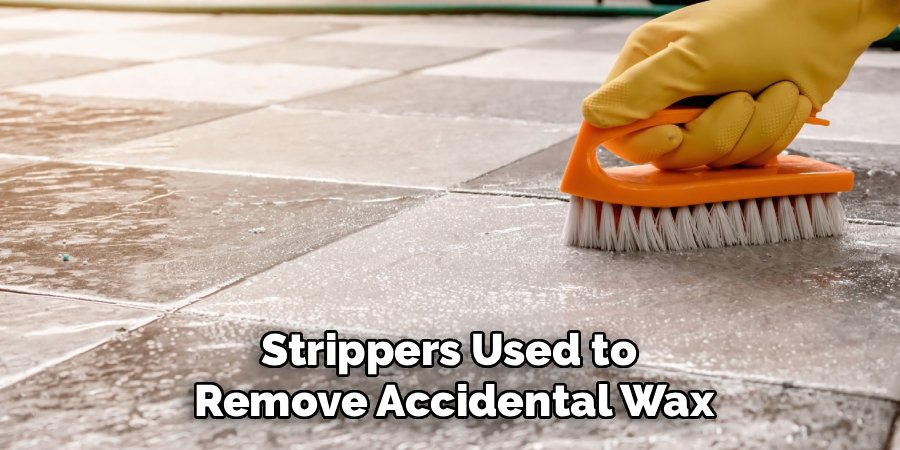
Waxing or polishing it. Wax and static control don’t mix. If a floor came pre-waxed by mistake, it needs stripping with an approved stripper before it will work again.
Skipping the rinse pass. Even the right cleaner builds up if you never rinse. Residue accumulates slowly, so the failure sneaks up on you months later.
Flooding the floor. Standing water seeps into seams and under tile edges, and on some conductive systems it can affect the grounding layer. Damp-mop only.
Cross-contaminating equipment. One pass with a mop that touched a waxy floor transfers enough residue to matter. Keep the tools separate and labeled.
Never measuring. If nobody checks resistance, a slow failure runs invisible until product starts failing QA. Build a reading into the routine.
Treated dust mops. That convenient dust-grabbing dressing is oil-based and defeats the purpose. Use untreated heads or a vacuum.
Safety and Warnings
Routine ESD floor cleaning is fairly low-risk chemically, but a few things are worth flagging — both for you and for the floor’s function.
- Never mix cleaning products. Don’t combine bleach with ammonia or acids under any circumstances; the fumes are dangerous. You shouldn’t be using any of those on this floor anyway, so stick to one approved cleaner at a time.
- Ventilate if you ever strip the floor. Strippers used to remove accidental wax give off strong fumes. Open doors, run air, and follow the product’s respirator guidance.
- Mind the slip hazard. A damp static-dissipative floor is genuinely slick. Post signs and keep foot traffic off until it’s dry — this matters more in a busy facility where people walk on autopilot.
- Wear gloves with strippers and concentrates. Neutral cleaners are mild, but strippers and undiluted concentrate can irritate skin.
- Test a new cleaner in a hidden area first. Before switching products, clean a small out-of-the-way patch, let it dry, and take a resistance reading to confirm it doesn’t push the floor out of spec.
- Check that grounding stays intact. If your floor uses ground cords or grounded strips, make sure cleaning didn’t loosen or wet a connection.
Maintenance and Prevention Tips
The facilities that kept their floors in spec year after year did small consistent things instead of occasional deep scrubs.
- Dust-mop daily. Staying ahead of grit protects both the surface and the electrical contact. It’s the single highest-value habit.
- Put walk-off mats at entrances. Static-dissipative mats at the door catch grit and contaminants before they spread across the floor. Regular rubber mats can insulate, so use ESD-rated ones near the working area.
- Damp-clean on a set schedule. Weekly or biweekly works for most spaces; heavy-traffic areas need it more often. Consistency beats intensity.
- Log your resistance readings. A simple monthly reading in the same spots shows you a trend before it becomes a failure. When numbers start creeping up, you know residue is building.
- Keep tools dedicated and labeled. A marked “ESD floor only” bucket and mop prevent the cross-contamination that undoes careful cleaning.
- Watch dry-winter static. In low-humidity winter months, static problems spike anyway, so a floor that’s drifting out of spec shows its weakness fastest then. It’s a good season to verify readings.
- Retrain new cleaning staff. Turnover on a cleaning crew is where the wrong cleaner sneaks back in. A one-page instruction card by the supply shelf saves a lot of grief.
FAQ
What cleaner can you use on an ESD floor?
Use a cleaner specifically labeled for static-dissipative or conductive flooring, or a pH-neutral cleaner your flooring manufacturer approves. These clean without leaving an insulating film. Avoid anything with wax, oil, silicone, or shine additives, and skip general-purpose pine or citrus cleaners.
Can you wax or polish an ESD floor?
No. Wax and polish put an insulating layer over the surface, which blocks the floor’s ability to dissipate static. If a floor has been waxed by mistake, it needs to be stripped with an approved stripper and re-cleaned before it will function correctly again.
How often should you clean a static-control floor?
Dust-mop daily to stay ahead of grit, and damp-clean weekly or biweekly depending on traffic. High-use production areas may need more frequent damp cleaning. Spot-clean spills right away rather than letting them dry.
Why does my ESD floor keep failing resistance tests after cleaning?
Almost always it’s cleaner residue building an insulating film. Either the product isn’t ESD-safe, the dilution is too strong, or there’s no rinse pass to lift leftover solution. Switch to an approved neutral cleaner, follow the exact dilution, and always rinse.
Do you need to rinse an ESD floor after mopping?
Yes. A clean-water rinse pass lifts the cleaner residue that would otherwise accumulate on the surface and slowly raise resistance. Skipping the rinse is one of the most common reasons a floor drifts out of spec over time.
Can you use a regular mop on an ESD floor?
Use a non-shedding microfiber or rayon mop head kept dedicated to that floor. Cotton string mops shed lint and often carry residue from other surfaces. Keeping the mop and bucket separate prevents cross-contamination that can insulate the floor.
Treat the cleaner and the rinse as the parts that actually matter, and the rest of the job is just careful damp-mopping. Use an approved neutral product, rinse every time, keep your tools dedicated, and check the readings now and then. Do that and the floor keeps doing its quiet job of moving static safely to ground.
