
A woman once called me out to look at her kitchen floor, convinced the “beautiful old brick” she’d bought the house for was ruined. She’d been mopping it with a splash of bleach every few days, and the mortar lines had gone pale and powdery while the brick itself looked dry and washed out. The bleach hadn’t cleaned the floor — it had been slowly stripping the color and eating into the soft mortar between every brick.
Knowing how to clean brick floor surfaces well comes down to respecting two things: the porous brick and the softer mortar holding it together. Get your cleaner too harsh or your mop too wet, and you trade one problem for a bigger one. Do it right and a brick floor stays warm, rich, and easy to live with for decades.
What You’ll Need
- Stiff-bristled broom or a dust mop
- Vacuum with a hard-floor setting (optional but faster on rough brick)
- Two buckets — one for cleaning solution, one for rinse water
- String mop or a soft-bristled scrub brush
- Mild pH-neutral floor cleaner or plain dish soap
- White vinegar (for sealed floors only — more on that below)
- Baking soda for spot stains
- Old towels or a wet/dry vacuum for drying
- Rubber gloves
- Knee pads if you’re scrubbing by hand
- Brick or masonry sealer (for the maintenance step)
You’ll notice there’s no heavy-duty degreaser or acid on that starter list. Brick rarely needs it, and reaching for the strong stuff first is how most floors get damaged.
Sweep Before You Ever Reach for Water
Brick has a rough, uneven surface that traps grit in every dip and mortar seam. If you mop over that grit, you’re basically dragging sandpaper across the floor and pushing dirt deeper into the pores.
Sweep the whole floor with a stiff broom, working the bristles into the mortar joints where crumbs and dust collect. On a heavily textured floor, a vacuum with a hard-floor head pulls out far more than a broom will. Do this thoroughly — the cleaner the dry floor, the less muddy sludge you’ll create once water goes down.
Know Whether Your Brick Is Sealed
This one step decides everything that follows. Sealed brick has a protective topcoat that repels water and stains; unsealed brick soaks up whatever you put on it like a sponge.
Test it by dripping a little water on the surface. If the water beads and sits, your floor is sealed and can handle a slightly wetter clean and mild vinegar. If the water darkens the brick and soaks straight in, it’s unsealed — keep it as dry as possible and skip the vinegar entirely, since acid on raw brick and mortar causes pitting. Clients used to ask me why their “clean” floor always looked cloudy, and nine times out of ten it was leftover residue sitting in unsealed pores that never got the chance to rinse out.
Mop With a Mild Solution, Not a Flood
Mix a squirt of dish soap or a capful of pH-neutral cleaner into a bucket of warm water. Wring your mop until it’s damp, not dripping — brick and mortar don’t like standing water, and a soaked floor takes forever to dry.
Work in Sections and Rinse as You Go
Clean one small area at a time, then rinse it with your second bucket of clean water before the soapy film dries. That rinse step is the difference between a floor that looks fresh and one that stays dull and sticky. Change your rinse water the moment it turns gray, or you’re just spreading dirt around.
Scrub the Mortar Lines by Hand
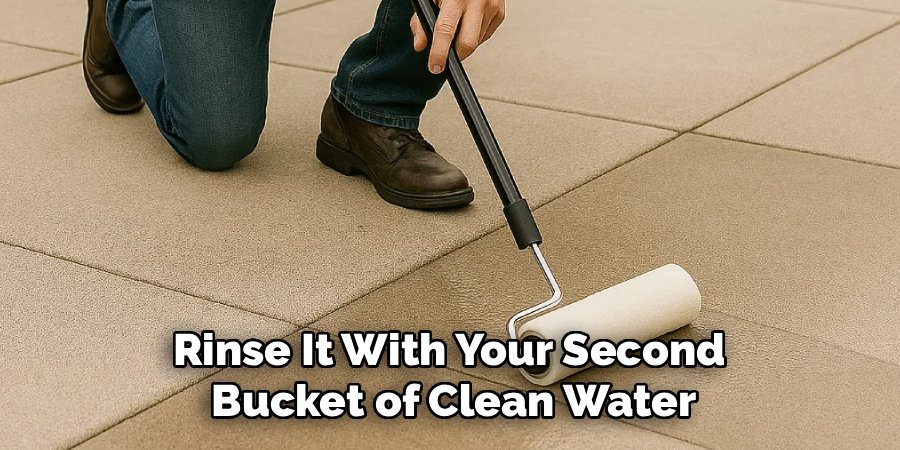
The recessed grout lines are where grime hides and a flat mop can’t reach. Dip a soft-bristled brush in your solution and work along each seam. Go with the direction of the lines, not across them, so you’re lifting dirt out rather than packing it in.
Lift Stubborn Stains and Grease Spots
Kitchen brick picks up grease; entryway brick picks up mud and salt. For most spots, make a thick paste of baking soda and water, spread it over the stain, and leave it for 10 to 15 minutes before scrubbing gently and rinsing.
Grease in a well-trafficked kitchen may need a second round. Resist the urge to jump straight to a harsh solvent — patience with a mild paste protects the brick, and repeating a gentle treatment beats one aggressive one that leaves a bleached patch.
Dry the Floor Properly
Brick holds moisture, and leftover damp invites mildew in the mortar and a musty smell in the room. Once you’ve rinsed, go over the floor with old towels or a wet/dry vacuum to pull up the excess.
Open windows or run a fan to speed things along, and keep foot traffic off until it’s fully dry. On a humid summer day this can take a couple of hours, so plan your cleaning for a time you won’t need the room right away.
Sealed vs. Unsealed Brick: What to Use
| Cleaning Choice | Sealed Brick Floor | Unsealed Brick Floor |
| Water amount | Damp mop, moderate | Barely damp, minimal |
| Mild dish soap | Yes | Yes, sparingly |
| White vinegar solution | Occasional, diluted | Never — pits brick and mortar |
| Baking soda paste for stains | Yes | Yes |
| Bleach | No | No |
| Acidic masonry cleaners | Only if maker approves | No |
| Drying urgency | Moderate | High — dry fast |
| Steam mop | Occasional, low setting | No |
The pattern is simple: sealed brick forgives more, unsealed brick needs a lighter, drier hand at every step.
Common Mistakes to Avoid
- Using bleach. It strips color from brick and slowly breaks down mortar, leaving pale, powdery joints. That kitchen floor I mentioned took the hit here.
- Skipping the sweep. Mopping over grit grinds it into the surface and scratches sealed finishes.
- Flooding the floor. Standing water seeps into mortar, encourages mildew, and can loosen joints over time.
- Vinegar on unsealed brick. Acid etches raw brick and dissolves mortar. Save it for sealed floors only, and dilute it.
- Forgetting to rinse. Soapy residue dries into a dull, sticky film that attracts more dirt than it removed.
- Leaving it wet. Damp mortar breeds mildew and that musty basement smell. Always dry the floor down.
- Using wire brushes. Metal bristles scratch brick and can leave rust marks. Stick to natural or nylon bristles.
Safety and Warnings
Most brick-floor cleaning is low-risk since you’re mainly using soap and water, but a few situations call for care.
- Never mix cleaners. Don’t combine bleach with vinegar or ammonia — the reaction releases toxic fumes. The safest route is to skip bleach entirely on brick.
- Ventilate when using acidic masonry cleaners. If a manufacturer-approved acid cleaner is ever needed, open windows and wear gloves and eye protection. These products give off strong fumes.
- Test in a hidden spot first. Try any new cleaner or vinegar solution in a closet or corner before doing the whole floor. Brick and sealers vary, and you want to catch a bad reaction early.
- Wear gloves. Even mild cleaners dry out your skin over a full floor, and scrubbing mortar is rough on your hands.
- Watch your footing. Wet brick is slippery, and the uneven surface adds trip risk. Block off the area while it dries.
- Ventilate when sealing. Brick sealers release fumes as they cure. Open windows, run a fan, and keep the room aired out until it’s fully dry.
Keep Your Brick Floor Clean for Longer
A little routine care means you rarely face a hard scrub. The goal is to stop dirt and moisture from settling in the first place.
- Sweep or vacuum a few times a week. Grit is the main enemy of any brick floor, so keeping it off the surface protects the finish.
- Wipe spills quickly. Porous brick absorbs liquids fast, especially anything colored like wine or coffee. Blot right away.
- Use mats at entrances. A good doormat catches mud, salt, and grit before it ever reaches the brick.
- Reseal every two to four years. A fresh sealer coat keeps water and stains on the surface where you can wipe them away. High-traffic kitchens may need it sooner.
- Add felt pads under furniture. Brick is tough, but dragged chair legs can chip edges and scratch sealer.
- Deep clean seasonally. A thorough mop and mortar scrub a few times a year keeps buildup from ever taking hold.
- Control indoor humidity. In damp rooms, a dehumidifier helps stop moisture from lingering in the mortar.
Frequently Asked Questions
Can you use vinegar to clean a brick floor?
Only on sealed brick, and always diluted. Mix roughly half a cup of white vinegar into a gallon of warm water for the occasional deeper clean on a sealed floor. On unsealed brick, skip it completely — the acid pits the surface and eats into the mortar. When in doubt, plain mild soap and water is the safer choice.
How do you deep clean an old brick floor?
Start by sweeping and vacuuming out every mortar line, then mop in sections with a mild pH-neutral cleaner, rinsing as you go. Treat stubborn stains with a baking soda paste and scrub the joints by hand with a soft brush. Dry the floor thoroughly afterward, and once it’s clean and dry, consider resealing to protect all that effort.
What is the best cleaner for indoor brick floors?
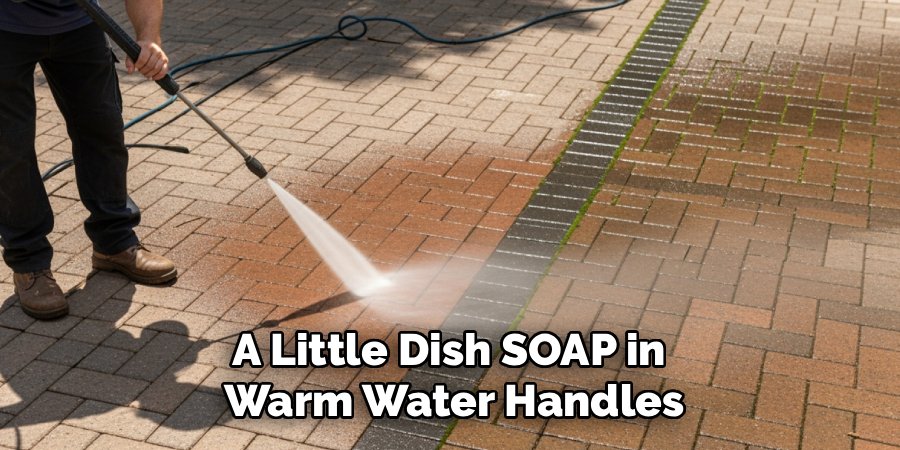
A mild, pH-neutral floor cleaner or a little dish soap in warm water handles almost everything. It lifts dirt without stripping color or damaging mortar the way bleach and strong acids do. For spot stains, a baking soda paste does the heavy lifting gently.
Why does my brick floor look dull after mopping?
You’re likely leaving soap residue behind. When you don’t rinse after mopping, the dried film dulls the surface and grabs new dirt. Always follow your cleaning pass with a clean-water rinse, and change that rinse water as soon as it turns gray.
How often should you seal a brick floor?
Most indoor brick floors need resealing every two to four years, though busy kitchens and entryways may need it more often. The water-bead test tells you when it’s due: if water soaks in instead of beading up, the sealer has worn thin and it’s time for a fresh coat.
Can you use a steam mop on brick floors?
On a sealed brick floor, an occasional pass with a steam mop on a low setting is fine. Avoid it on unsealed brick, since the moisture and heat drive water into the porous surface and mortar. Even on sealed floors, don’t make steam your everyday method — keep it for occasional deeper cleaning.
Final Word
Treat your brick gently, keep it swept, and never let bleach or standing water near it, and the floor will stay rich and welcoming for years. When in doubt, reach for mild soap, a damp mop, and a good rinse — that simple routine beats any harsh shortcut every time.
