
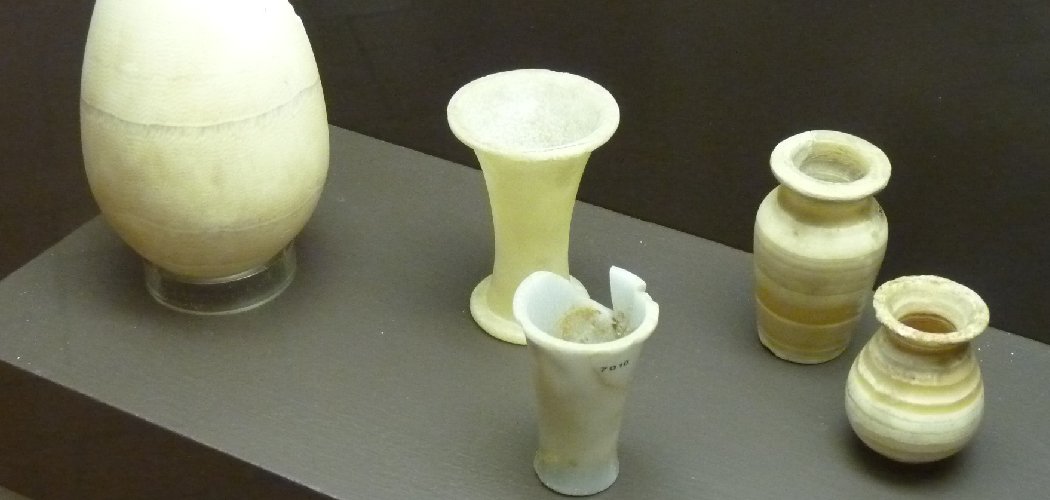
A man once handed me a small alabaster lamp base with a cloudy, rough patch on one side. He’d wiped it down with a damp cloth every week for years, thinking he was caring for it. That water had slowly dissolved the surface, eating away the polish and leaving a chalky bloom no cloth could fix. Alabaster is soft, slightly soluble in water, and one of the most misunderstood materials I ever handled.
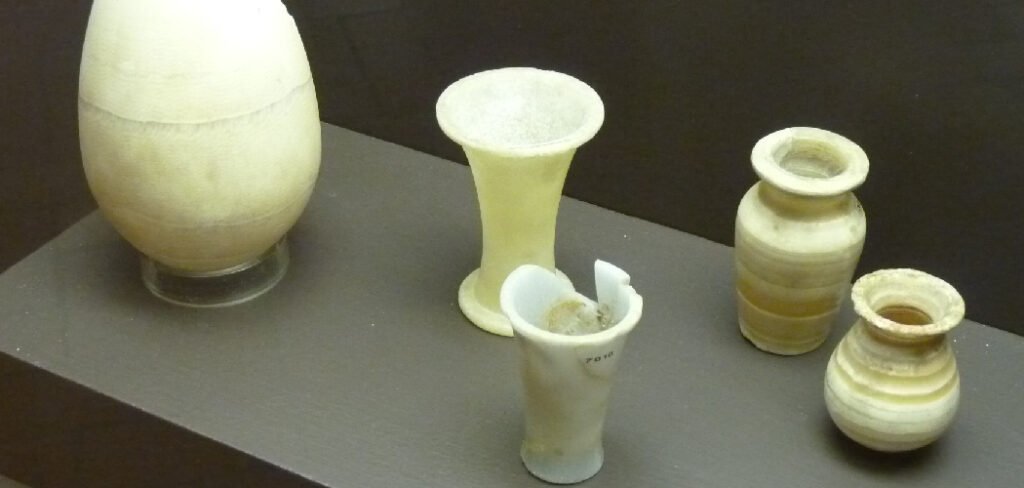
Learning how to clean alabaster comes down to a single rule: keep water off it. This stone is a form of gypsum, which means moisture doesn’t just sit on the surface — it slowly breaks the stone down. Get that one thing right and the rest is easy.
What You’ll Need
- Soft, dry dusting brush (a clean makeup brush or soft artist’s brush works well)
- Microfiber cloths — several, all clean and dry
- Cotton swabs and cotton balls
- White spirit (mineral spirits) or acetone for grease marks
- Very fine grade (0000) steel wool — for polished pieces only, used with care
- Soft white eraser (art gum or vinyl)
- Clear microcrystalline wax or a soft beeswax paste
- Latex or nitrile gloves
- A well-ventilated space or an open window
- Soft towel or padded surface to work on
Notice there’s no bucket and no water on that list. That’s the point.
Start With Dry Dusting, Always
Before anything else, get the loose dust off. Alabaster picks up a fine film that, left alone, dulls the whole surface and scratches it when you rub harder later.
Use a soft, dry brush to sweep dust out of any carved detail and grooves, then follow with a dry microfiber cloth over the flat areas. Work gently and let the brush do the lifting — don’t grind dust into the stone. For most pieces sitting on a shelf, this dry routine is genuinely all they need. I used to tell clients that a decorative alabaster piece wants dusting, not cleaning.
Tackle Grease and Fingerprints Without Water
Skin oils and grease are the usual culprits on lamp bases, carvings, and anything people touch. Water can’t shift these and shouldn’t be near the stone anyway, so you reach for a solvent instead.
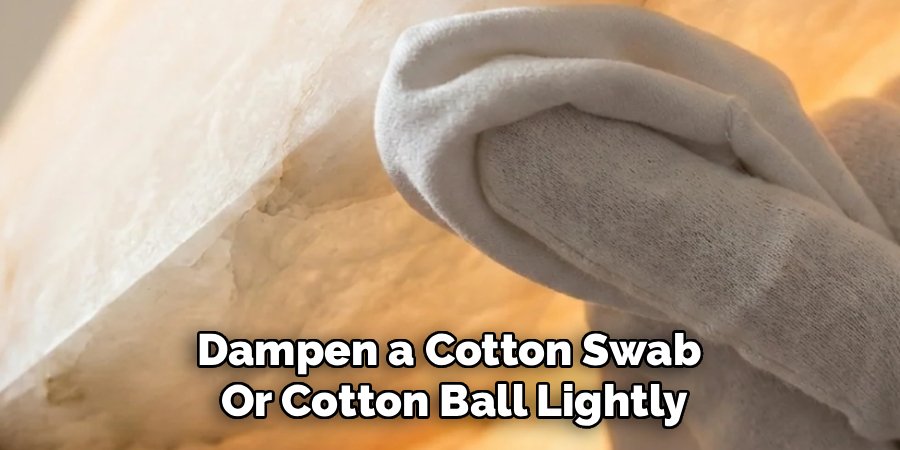
Dampen a cotton swab or cotton ball lightly with white spirit or acetone. Work in small sections, rolling the swab over the marked area rather than scrubbing back and forth. The solvent lifts the grease and evaporates fast, leaving no moisture behind. Change your swab often so you’re removing the grime rather than smearing it around. On a large flat surface, use a cloth barely moistened with white spirit and go over the area in light, even passes.
Lift Surface Marks and Scuffs
For pencil marks, light scuffs, or handling smudges that solvent alone won’t budge, a soft white eraser does surprising work. Rub gently in one direction and brush away the crumbs. Keep the pressure light — you’re coaxing the mark off, not sanding the stone.
Refresh a Dull or Slightly Rough Polished Surface
If a polished piece has lost its sheen or feels faintly rough, very fine 0000 steel wool can bring it back — but only on polished alabaster, and only with a feather-light touch. Move it in small circles over the dull area, check often, and stop the moment the surface evens out. This is a repair step, not routine cleaning, so treat it as a last resort. Never use it on matte or carved pieces where you’d flatten the detail.
Protect the Surface With Wax
Once the piece is clean and completely dry, a thin coat of wax seals it and adds a soft glow. Apply a small amount of microcrystalline or beeswax paste with a clean, dry cloth, working it in with light circular strokes. Let it haze over for a few minutes, then buff gently with a fresh cloth until it shines.
The wax layer does more than look good — it forms a barrier against dust, moisture in the air, and future fingerprints. On a lamp or a frequently handled sculpture, this step earns its place.
Safe vs. Damaging Methods
| Safe on Alabaster | Will Damage the Stone |
| Dry soft brush and microfiber | Water or damp cloths |
| White spirit or acetone for grease | Household glass or all-purpose sprays |
| Cotton swabs for spot work | Soaking, rinsing, or wet-wiping |
| Soft white eraser for marks | Vinegar, lemon, or any acid |
| 0000 steel wool on polished pieces only | Coarse abrasives or scouring pads |
| Microcrystalline or beeswax to seal | Steam cleaners |
| Working in a ventilated room | Setting drinks or plants directly on it |
| Light, patient pressure | Hard scrubbing |
The whole list points one way: dry and gentle keeps alabaster intact, while anything wet or acidic slowly destroys it.
Common Mistakes to Avoid
- Using water. The single biggest error. Water dissolves the gypsum surface, causing cloudy blooms and rough patches that don’t buff out.
- Reaching for glass or all-purpose cleaner. These are water-based and often mildly acidic — both bad news. They’ll dull and pit the stone over time.
- Using vinegar or lemon. Acid eats alabaster fast. Keep every acidic product far away.
- Scrubbing hard. The stone is soft, around 2 on the Mohs scale. Firm pressure and rough pads leave scratches you can’t undo.
- Setting wet items on it. A sweating glass or a damp plant pot leaves a permanent ring. Always use a coaster or a felt pad.
- Skipping ventilation with solvents. White spirit and acetone give off strong fumes. Working in a closed room is asking for a headache.
- Steam cleaning. Heat plus moisture is doubly damaging. Never point a steamer at alabaster.
Safety and Warnings
This job uses solvents, so a few precautions matter more than they would with soap and water.
- Ventilate the room. White spirit and acetone release fumes you don’t want to breathe. Open a window or work outside, and take breaks.
- Wear gloves. Latex or nitrile gloves protect your skin from drying and irritation during solvent work.
- Keep solvents away from flames. Both white spirit and acetone are flammable. No candles, no smoking, no fireplace nearby.
- Never mix products. Use one solvent at a time. Don’t combine acetone with other cleaners, and never introduce bleach or ammonia to the mix — the fumes can turn dangerous.
- Test in a hidden spot first. Try your solvent on an underside or back edge before the visible surface. Alabaster varies piece to piece.
- Store rags safely. Solvent-soaked cloths can be a fire risk. Let them dry flat outdoors before disposal, away from anything that could ignite.
Keep Your Alabaster Clean for Longer
A little prevention means you almost never face a real cleaning session. The less this stone gets touched and exposed, the longer it holds its finish.
- Dust weekly with a dry brush. A quick sweep stops film from building up and scratching later.
- Keep it out of direct sun. Prolonged heat and UV can dry and discolor alabaster over years. A shaded spot preserves the color.
- Control the humidity. Damp air softens and clouds the surface over time. A stable, dry room suits it best.
- Use coasters and felt pads. Never let a glass, mug, or plant pot sit directly on the stone. Moisture rings are permanent.
- Handle it by the base. Lift sculptures and lamps from the bottom to keep skin oils off the polished faces.
- Re-wax once or twice a year. A fresh thin coat keeps the protective barrier working and the shine consistent.
- Keep it away from kitchens and bathrooms. Grease, steam, and splashes are all enemies. Display alabaster in dry, low-traffic rooms.
Frequently Asked Questions
Can you clean alabaster with water?
No. Alabaster is a soft form of gypsum that’s slightly soluble in water, so moisture slowly dissolves the surface and leaves a cloudy, rough bloom. Stick to dry dusting and use white spirit or acetone on a cotton swab for grease. If water ever splashes on it, blot — don’t wipe — and let it dry fast.
What is the best cleaner for alabaster?
For everyday care, nothing beats a dry soft brush and microfiber cloth. For grease and fingerprints, white spirit or acetone applied on a cotton swab lifts the marks without leaving moisture behind. Avoid all water-based, acidic, or all-purpose cleaners — they dull and pit the stone.
How do you remove stains from alabaster?
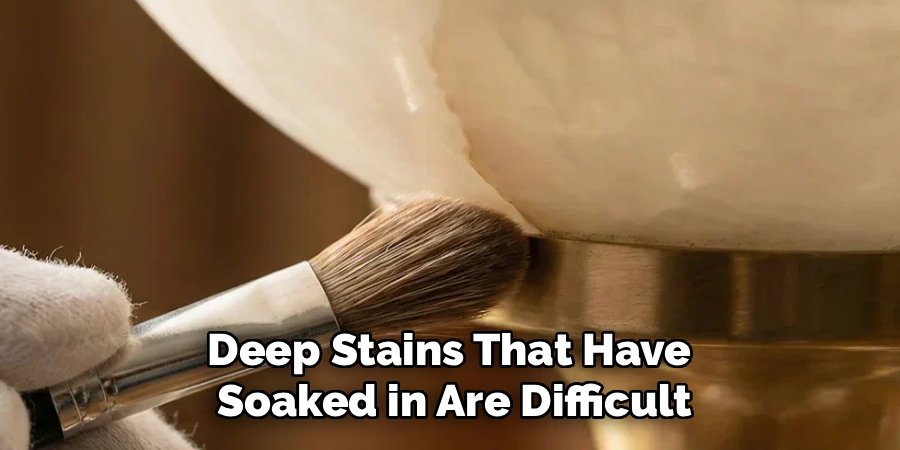
Grease and oil stains respond to white spirit or acetone dabbed on with a cotton swab, working in small sections and changing the swab often. Pencil marks and scuffs often lift with a soft white eraser. Deep stains that have soaked in are difficult and may need a professional conservator, since aggressive treatment risks worse damage.
How do you make alabaster shiny again?
Once the piece is clean and fully dry, buff on a thin layer of microcrystalline or beeswax paste with a soft cloth, then polish gently. If the surface feels rough, very fine 0000 steel wool used lightly on polished pieces can restore evenness before you wax. Go slowly and check your progress often.
Does alabaster scratch easily?
Yes. It sits around 2 on the Mohs hardness scale, which is soft enough to scratch with a fingernail. That’s why you use light pressure, soft cloths, and never coarse pads or scouring products. Keep grit and dust off the surface so nothing abrasive gets dragged across it.
Can you use vinegar on alabaster?
Never. Vinegar is acidic, and acid dissolves alabaster quickly, etching and clouding the surface. The same goes for lemon juice and any acidic household cleaner. Only neutral, dry, or solvent-based methods are safe.
Final Word
Alabaster rewards a light hand and punishes a wet one — keep it dry, dust it often, and reach for solvent rather than a soapy cloth when grease appears. Seal it with a little wax, keep drinks and damp pots off it, and this soft, glowing stone will hold its beauty for generations.
