
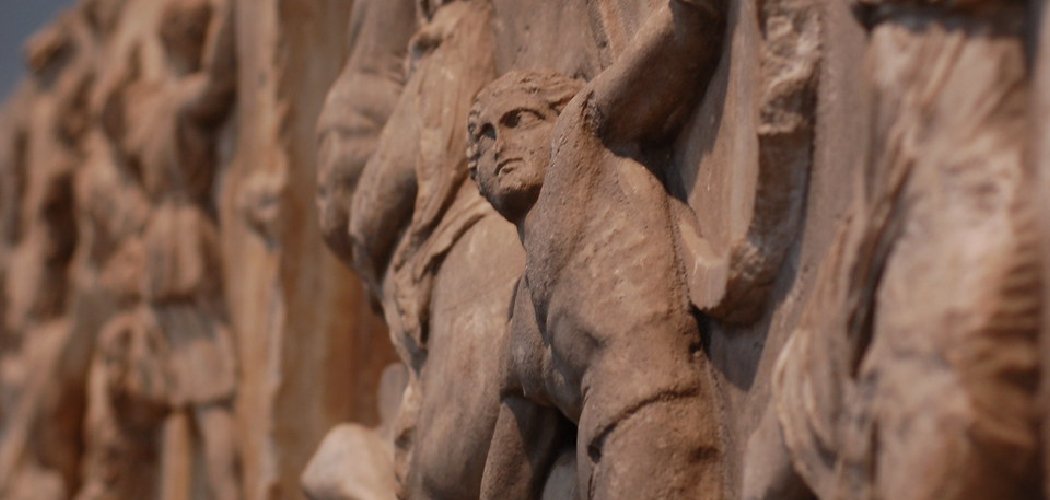
A collector once handed me a small marble bust of a Roman figure and asked why the “dirt in the folds” wouldn’t budge. Turns out he’d been going at it with a bathroom bleach spray for weeks. The bleach hadn’t just failed to clean it — it had bleached the grime into pale, chalky streaks and left the low points of the carving rough to the touch, like fine sandpaper.
That’s the thing with marble sculpture: the dirt collects exactly where the stone is most delicate, and most household cleaners attack the marble faster than the grime. Knowing how to clean marble statue surfaces safely comes down to using the gentlest thing that works and building up slowly. Rush it with something harsh and you etch detail that a carver spent hours cutting.
What You’ll Need
- pH-neutral stone cleaner (or a couple of drops of mild dish soap in distilled water)
- Distilled water — tap water leaves mineral spots on marble
- Two soft microfiber cloths
- A soft natural-bristle brush (an old shaving brush or soft paintbrush is perfect)
- A soft-bristled toothbrush for detailed crevices
- Cotton swabs for the tightest folds
- A soft, dry dusting brush
- White absorbent cloths or paper towels for poultice work
- Baking soda (for stubborn stains only)
- Gloves
- A drop cloth or padded surface to work on
Leave the vinegar, lemon, bleach, magic erasers, and any “all-purpose” spray in the cupboard. I’ll walk through why below.
Dust the Statue Before Any Water Touches It
Dry dust is your first move, always. If you skip this and go straight in with a damp cloth, you turn loose grit into a paste and grind it into the stone with every wipe. That’s how fine detail gets scratched.
Take your soft dry brush and work from the top down, sweeping dust out of the folds, curls, and carved lines. For a larger piece, follow up by gently vacuuming the loosened dust with a soft brush attachment held slightly off the surface — never pressed against it.
Test a Hidden Spot First
Find an inconspicuous area — the underside of the base, the back of the neck, a spot tucked behind a raised arm — and test your cleaning solution there. Marble varies from block to block, and older or antique pieces sometimes carry past sealants or waxes that react in odd ways.
Dab a little of your diluted cleaner on, wait ten minutes, then blot and check. Look for any dulling, roughness, or color change before you go near the visible surface.
Wash With a pH-Neutral Solution
Mix a couple of drops of pH-neutral stone cleaner or mild dish soap into a bowl of distilled water. You want it barely soapy — a light suds, not a bubble bath. Dip a soft microfiber cloth, wring it out until it’s just damp, and wipe the smooth surfaces gently.
Work in sections from the top down so drips run over areas you haven’t cleaned yet. Rinse your cloth often in clean distilled water so you’re lifting grime away rather than smearing it around. Keep the cloth damp, never dripping — standing water is the enemy of porous stone.
Reach the Carved Details and Crevices
The folds, fingers, and facial detail are where the grime hides and where most people either give up or get too aggressive. Switch to your soft natural-bristle brush dipped in the same solution and work the bristles gently into the recesses.
For the tightest spots, use a soft toothbrush or a cotton swab. Light, patient strokes do far more than pressure here. I once spent the better part of an hour on a single draped sleeve of a garden statue with nothing but a shaving brush and swabs — slow, but the carving came back crisp with zero damage.
Rinse Away Every Trace of Soap
Soap residue left on marble dulls the finish and actually attracts dirt back faster. Wipe the whole piece down with a fresh cloth and clean distilled water, going over the detailed areas twice. Rinse until you’re confident no film remains.
Blot Dry — Don’t Let It Air-Dry
Marble is porous, and letting it air-dry invites water spots and, on hard-water areas, mineral deposits. Take a dry microfiber cloth and gently blot the surface, pressing rather than rubbing so you don’t drag any lingering grit.
Get into the crevices with a dry cloth corner or a fresh cotton swab. For an outdoor piece, let it finish drying in shade rather than direct sun, which can dry it unevenly and leave marks.
Lift Stubborn Stains With a Poultice
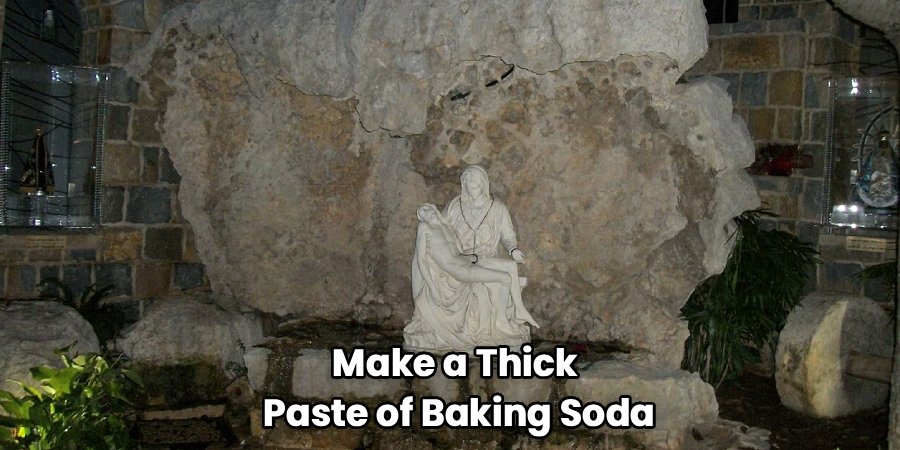
If a stain won’t budge — an old grease mark, a rust spot, organic staining on a garden piece — don’t scrub harder. Reach for a poultice, which draws the stain up out of the stone instead of grinding at the surface.
Make a thick paste of baking soda and distilled water, about the consistency of peanut butter. Spread a quarter-inch layer over the stain only, cover it with plastic wrap, and tape the edges. Leave it 24 to 48 hours to dry out and pull the stain up, then gently remove it and rinse. Deep stains sometimes need a second round — patience beats aggression every time.
Safe vs. Damaging Products and Methods
| Safe on Marble Statues | Will Damage the Marble |
| pH-neutral stone cleaner | Vinegar (etches marble on contact) |
| Mild dish soap in distilled water | Lemon juice or citrus cleaners |
| Distilled water | Bleach and bleach-based sprays |
| Baking soda poultice for stains | Ammonia and glass cleaners |
| Soft natural-bristle brushes | Stiff or wire brushes |
| Soft microfiber cloths | Abrasive scouring pads |
| Cotton swabs for detail | Magic erasers (micro-abrasive) |
| Gentle blotting to dry | Pressure washers on statues |
The pattern is simple: anything acidic eats the stone, anything abrasive scratches it, and high-pressure water blasts fine detail right off older marble.
Common Mistakes to Avoid
- Using vinegar or lemon. They’re acidic and dissolve the calcium in marble, leaving dull, etched patches that don’t polish out.
- Reaching for bleach. It doesn’t clean marble well, it can discolor it, and it leaves the surface rough where it sits in the low points.
- Skipping the dry dusting. Wiping over dry grit scratches the stone. Always dust first.
- Scrubbing stains harder. Pressure grinds stains deeper and abrades detail. Use a poultice to draw them out instead.
- Using tap water. Its minerals leave spots and, over time, a chalky film on marble. Distilled water avoids this.
- Pressure washing outdoor statues. It feels efficient but chips away weathered detail and forces water deep into the stone.
- Letting it air-dry. Standing water spots porous marble. Blot it dry by hand.
- Using magic erasers. They’re melamine foam — essentially very fine sandpaper — and they’ll dull the polish.
Safety and Warnings
This is low-toxicity work, but a few rules protect both you and the statue.
- Test in a hidden spot first. Confirm your solution won’t dull or discolor the marble before touching a visible area.
- Never mix cleaning products. Don’t combine bleach with anything containing ammonia — that releases toxic gas — and honestly, neither belongs near marble anyway. Stick to one gentle cleaner at a time.
- Ventilate if you use anything beyond soap and water. Open a window or work outdoors when using stronger stain treatments.
- Wear gloves. Long cleaning sessions dry out and irritate skin.
- Secure the statue. Larger or top-heavy pieces can tip while you work. Steady the base and, for heavy pieces, get a second pair of hands rather than wrestling it alone.
- Mind your back and footing. Marble is heavy and unforgiving if it lands on a foot. Move big pieces low and slow.
Keep Your Marble Statue Clean for Longer
The less grime that settles in, the less deep cleaning you’ll ever need. Here’s what actually stretches the time between washes:

- Dust regularly. A quick weekly pass with a soft dry brush stops dust from settling into detail and turning greasy.
- Seal the stone. A stone-safe penetrating sealer helps marble resist staining. Reseal indoor pieces every year or two, outdoor pieces annually.
- Keep indoor statues out of the kitchen. Airborne cooking grease clings to marble and traps dust. If a piece must live near a kitchen, dust it more often.
- Cover or move outdoor statues in winter. Freeze-thaw cycles push water into the stone and crack it over time. In cold regions, bring smaller pieces indoors before the first hard freeze.
- Wipe up bird droppings and spills fast. Both are acidic enough to etch marble if left sitting. Blot, then rinse with distilled water.
- Keep it out of harsh direct sun where you can. Constant heat and UV can highlight unevenness and dry the surface out.
Clients used to ask me why their garden statues went blotchy and dark within a couple of seasons while a neighbor’s stayed bright. Almost every time, it came down to sealing and shade — sealed marble kept in partial shade holds up for years, while an unsealed piece baking in full sun soaks up every bit of rain, pollen, and grime like a sponge.
Frequently Asked Questions
Can you use vinegar to clean a marble statue?
No. Vinegar is acidic and reacts with the calcium in marble, etching the surface and leaving dull, rough patches that won’t polish out. It’s one of the fastest ways to permanently damage a piece. Stick to a pH-neutral cleaner or mild dish soap in distilled water.
What is the best way to clean a dirty marble statue?
Start with dry dusting, then wash gently with a soft cloth and a pH-neutral solution, working from the top down. Use soft brushes and cotton swabs for the carved detail, rinse with distilled water, and blot dry by hand. For stubborn stains, use a baking soda poultice rather than scrubbing.
How do you clean an outdoor marble statue?
Same gentle approach, just expect more organic staining from algae, pollen, and bird droppings. Dust or brush off loose debris, wash with a pH-neutral solution and soft brushes, and treat set-in stains with a poultice. Skip the pressure washer — it strips weathered detail — and let the piece dry in shade.
How do you remove yellowing or dark stains from marble?
Yellowing and deep stains usually sit inside the stone, so surface scrubbing won’t fix them. Apply a baking soda and distilled water poultice over the stain, cover it, and leave it 24 to 48 hours to draw the discoloration out. Repeat if needed — deep stains often take two or three rounds.
Is it safe to use baking soda on marble?
Yes, when used gently and rinsed off fully. Baking soda is mildly alkaline rather than acidic, so it won’t etch marble the way vinegar does, and it’s soft enough not to scratch when made into a paste. Keep it to stain treatment rather than everyday cleaning, and rinse thoroughly so it doesn’t leave a haze.
How often should you clean a marble statue?
Dust indoor pieces weekly and give them a gentle wash a few times a year, or whenever grime becomes visible. Outdoor statues usually need washing once or twice a season, plus quick clean-ups after bird droppings or storms. Regular dusting means you’ll rarely need a heavy clean.
Final Word
Go gentle, dust before you dampen, and let a poultice do the heavy lifting on stains instead of your scrub brush. Seal the stone and keep it out of harsh sun, and your marble will stay crisp and bright for decades rather than seasons.
