
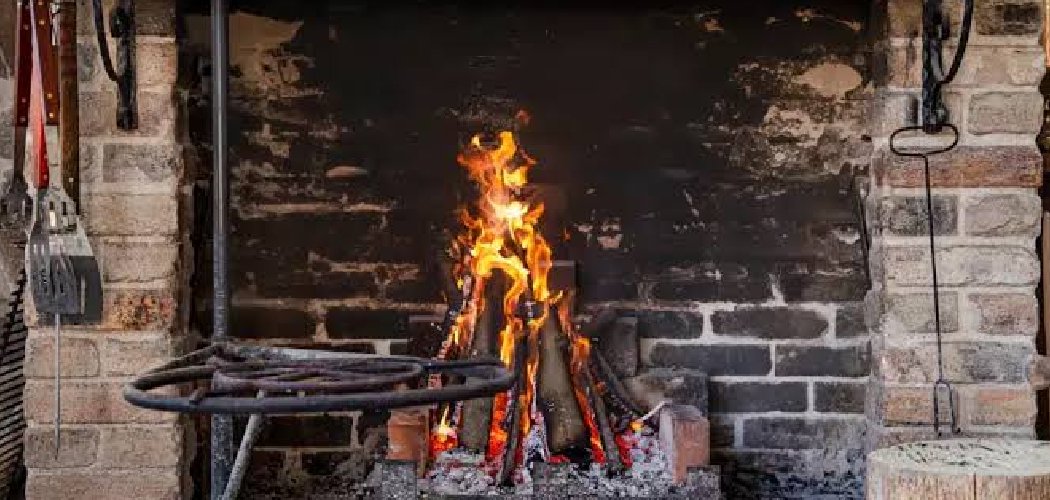
You light the first fire of the season, notice black streaks creeping up the brick, and reach for the bleach and a scrub brush. Two hours later the soot has smeared into a gray haze, the mortar looks patchy, and the whole room smells like a swimming pool. That reflex — soaking porous brick with harsh liquid and scrubbing hard — is the fastest way to grind soot deeper and stain the surface for good.
Soot is greasy carbon, not ordinary dirt, so it needs to be lifted, not spread around. Learning how to clean fireplace brick soot the right way keeps your masonry looking sharp and stops those black streaks from becoming permanent. I cleaned dozens of fireplaces every winter for over a decade, and the gentle-first approach always beat brute force.
What You’ll Need
Set everything out before you start so you’re not hunting for supplies with dirty hands:
- A drop cloth or old sheets to protect the hearth and floor
- A stiff-bristle nylon brush (never wire — more on that later)
- A handheld or shop vacuum with a brush attachment
- Dish soap (a grease-cutting formula works best)
- Table salt
- White vinegar
- A spray bottle
- Two buckets — one for solution, one for rinse water
- Clean white rags and a sponge
- Rubber gloves and safety goggles
- A dust mask or respirator
- Trisodium phosphate (TSP) for heavy buildup — optional
Clear the Firebox and Protect the Area First
Cold ashes are messier than people expect. Wait at least 24 hours after your last fire so everything is fully cooled, then scoop out ashes and debris with a small shovel into a metal bucket.
Lay your drop cloth across the hearth and floor. Soot travels, and dry particles will drift onto carpet and furniture the moment you disturb them. Tape the cloth down if you’re working near a busy walkway.
Vacuum the Loose Soot Before Adding Any Liquid
This is the step most people skip, and it makes all the difference. Run your vacuum’s brush attachment gently over the brick to pull off loose surface soot.

Here’s a detail I learned the hard way: if you wet dry soot before vacuuming, you turn powder into a paste that grabs onto the porous brick and won’t let go. Always go dry first. Work top to bottom so falling debris lands on brick you haven’t cleaned yet.
Dry-Brush the Stubborn Surface Deposits
Take your stiff nylon brush and work the brick in short, firm strokes. You’ll knock loose a surprising amount of caked soot that the vacuum missed.
Brush into the mortar joints too — that’s where soot loves to hide. Vacuum again after this pass to clear everything you just dislodged.
Mix a Salt and Dish Soap Paste for Grease
Now you tackle the greasy carbon staining. Combine a few tablespoons of dish soap with enough table salt to form a spreadable paste. The salt acts as a mild abrasive while the soap breaks down the grease.
Spread the paste over the sooty areas with a sponge or gloved hand. Let it sit for about ten minutes so it can penetrate. Then scrub in circular motions with your nylon brush. You’ll see the paste turn gray as it lifts the soot.
Rinse Clean and Repeat on Heavy Spots

Wipe the paste away with a damp white rag, rinsing the rag often in your clean-water bucket. Switch to fresh water as soon as it clouds up — dirty rinse water just redeposits soot.
For heavy black areas above the firebox, expect to repeat the paste-and-scrub cycle two or three times. Deep-set soot rarely surrenders on the first try. Let the brick dry fully between rounds so you can see what’s actually left.
Tackle Set-In Stains With Vinegar or TSP
If salt paste isn’t enough, step up carefully. For moderate stains, fill your spray bottle with equal parts white vinegar and warm water, mist the brick, wait a few minutes, then scrub and rinse.
For thick, years-old creosote-heavy staining, mix TSP according to the package directions. It’s a powerful degreaser, so wear gloves and goggles, and rinse thoroughly afterward. Never use it on painted or sealed brick.
Method Comparison: Which Cleaner for Which Job
Not every soot problem needs the strongest product. Match the method to the mess.
| Method | Best For | Effort | Risk to Brick |
| Dry vacuum + brush | Loose surface soot | Low | None |
| Salt + dish soap paste | Light to moderate grease staining | Medium | Very low |
| Vinegar solution | Moderate set-in stains | Medium | Low |
| TSP solution | Heavy creosote buildup | High | Low if rinsed well |
| Bleach | Almost never — smears soot | High | High (discolors mortar) |
Start at the top of this table and only move down if the gentler method leaves stains behind. Most home fireplaces never need anything stronger than the salt paste.
Common Mistakes to Avoid
These are the errors I saw cause the most damage over the years:
- Using a wire brush. Metal bristles scratch brick, gouge soft mortar, and leave behind metal traces that can rust into orange streaks.
- Reaching for bleach first. It rarely removes soot and often bleaches the mortar unevenly, leaving you with a patchy look worse than the soot.
- Wetting soot before vacuuming. This creates a stubborn paste that bonds to the porous surface.
- Over-soaking the brick. Brick and mortar are absorbent. Drench them and you’ll be waiting days for full drying, plus you risk trapped moisture and mildew.
- Skipping the patch test. Painted, sealed, or antique brick reacts differently. Always test in a hidden corner first.
- Cleaning a warm firebox. Chemicals react unpredictably on hot surfaces, and you risk burns.
Safety and Warnings
Cleaning soot involves fine airborne particles and strong degreasers, so treat safety seriously.
Wear a mask and goggles. Soot particles are tiny and easy to inhale, and they irritate your eyes. A dust mask is the minimum; a respirator is better for heavy jobs.
Ventilate the room. Open windows and run a fan, especially when working with TSP or vinegar. Fumes build up fast in a closed space near a fireplace.
Never mix cleaning products. Combining bleach with ammonia or vinegar releases toxic gas. Pick one product, rinse fully, and let the brick dry before trying a different one.
Wear rubber gloves. TSP and prolonged soap contact dry and irritate skin. Old soot can also contain sharp debris.
Patch test every product. Apply it to a hidden spot, wait ten minutes, and check for discoloration or crumbling mortar before treating visible areas.
Confirm the fire is fully out and cold. Even embers that look dead can hold heat for a day. Never clean a fireplace you’ve used within the last 24 hours.
Maintenance and Prevention Tips
A little routine care means you’ll rarely face a full soot scrub again. These habits kept my clients’ fireplaces looking clean season after season:
- Burn only seasoned hardwood. Wet or green wood produces far more soot and creosote. Properly dried wood burns cleaner and hotter.
- Skip softwoods and treated lumber. Pine and scrap wood coat brick and flue with sticky resin and soot much faster.
- Give fires enough air. A starved, smoldering fire smokes heavily and blackens brick quickly. Keep the damper open and let the flames breathe.
- Wipe the brick lightly each month during burning season. A quick dry-brush and vacuum stops soot from building into stubborn layers.
- Schedule an annual chimney sweep. Professional cleaning clears creosote from the flue, which is both a soot source and a fire hazard.
- Consider a brick sealer on unpainted masonry. A breathable masonry sealer makes future soot wipe off more easily — just make sure it’s rated for high-heat fireplace use.
One seasonal note: tackle the deep clean in late spring, right after you stop using the fireplace. The soot is fresh from winter rather than baked on through months of disuse, and warm dry weather helps the brick dry quickly after rinsing.
Frequently Asked Questions
What is the best homemade cleaner for soot on brick?
A paste of dish soap and table salt handles most soot without any harsh chemicals. The soap cuts grease while the salt gently scrubs. For tougher stains, an equal-parts white vinegar and warm water spray works well as your next step up.
Does vinegar remove soot from brick?
Yes, diluted white vinegar loosens moderate soot stains thanks to its mild acidity. Spray it on, let it sit a few minutes, then scrub and rinse. It won’t touch heavy creosote buildup, though — that calls for TSP.
Can you use a magic eraser on fireplace brick?
You can, but only on smooth or sealed brick. On rough, porous brick the eraser shreds apart quickly and leaves crumbs stuck in the texture. It’s best saved for spot-cleaning small marks, not an entire sooty wall.
Why does bleach not work well on soot?
Bleach lifts color rather than dissolving grease, so it tends to smear soot into a gray film instead of removing it. It also discolors mortar unevenly, which usually leaves the brick looking worse. Grease-cutting cleaners beat bleach every time here.
How do I get black soot stains off brick above the fireplace?
Vacuum and dry-brush first, then apply the salt and dish soap paste, let it sit, and scrub in circles. That area collects the heaviest staining, so plan on repeating the paste cycle two or three times, letting the brick dry between rounds.
Is soot on brick dangerous to breathe?
Fine soot particles can irritate your lungs and eyes, so always wear a mask and goggles while cleaning. Ventilate the room well, and clean up loose particles with a vacuum rather than letting them drift through the air.
Final Word
Soot gives up to patience far quicker than to muscle — go dry first, start with the gentlest cleaner, and step up only if a stain refuses to budge. Keep up the monthly wipe-downs and you’ll spend a few minutes now instead of a whole afternoon scrubbing later.
