
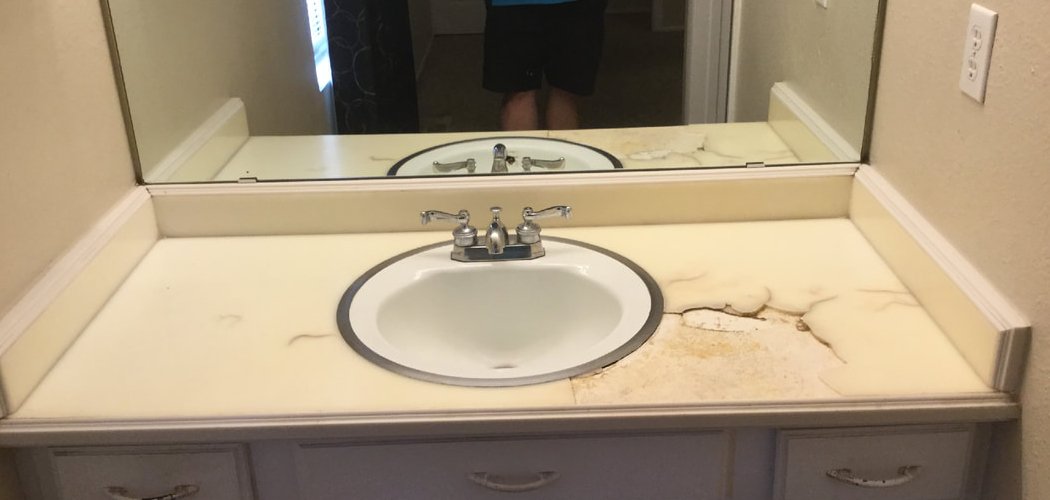
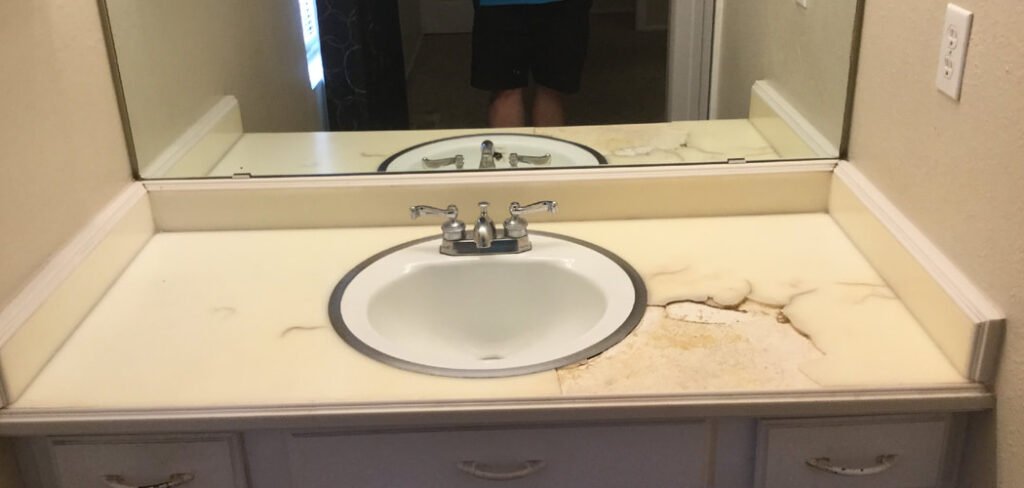
A homeowner once showed me a vanity top in her guest bath that had gone cloudy and dull across the whole surface, like someone had rubbed it with steel wool. She was proud of how “deep” she’d been cleaning it — with a soft scrub powder, twice a week, for a year. That powder had slowly sanded straight through the thin protective gel coat, and once that top layer is scratched up, there’s no cleaner on earth that brings the shine back.
That’s the single most important thing to understand about this material: the glossy finish you see is a thin gel coat sitting over the marble-look base, and it scratches easily. Learning how to clean cultured marble is really about protecting that gel coat — using soft cloths, gentle cleaners, and never anything gritty. Get that right and the surface stays glossy for decades.
What You’ll Need
- Mild dish soap or a pH-neutral all-purpose cleaner
- Warm water
- Two soft microfiber cloths
- A non-abrasive sponge (the soft side only)
- White vinegar (for hard-water spots only — more on this below)
- Baking soda (for occasional gentle stain lifting)
- A soft-bristled toothbrush for grout lines and seams
- A squeegee (great for shower walls and surrounds)
- Car wax or a cultured marble polish (for restoring shine)
- Gloves
- A spray bottle
Leave the scouring powders, magic erasers, abrasive pads, and anything labeled “heavy-duty” out of this. On a gel coat, those are the fast track to a dull, scratched surface.
Wipe It Down Daily With Soap and Water
Your everyday clean is almost embarrassingly simple, and that’s the point. Mix a few drops of mild dish soap into warm water, dip a soft microfiber cloth, and wipe the surface down. Rinse with clean water and buff dry with a second cloth.
On shower walls and tub surrounds, run a squeegee down the surface after each use. This one habit does more to keep cultured marble looking new than any deep clean — it stops soap scum and hard-water film from ever building up in the first place.
Tackle Soap Scum and Body Oil Buildup
Soap scum is the usual culprit behind a filmy, hazy shower surround. Spray your pH-neutral cleaner or soapy water generously over the affected area and let it sit for three to five minutes to loosen the film. Don’t let it dry — keep it wet so it stays working.
Wipe with the soft side of a non-abrasive sponge, using small circles. For the seams and any textured edges, switch to a soft toothbrush. Rinse thoroughly and buff dry — leftover cleaner film attracts new grime and dulls the finish over time.

Lift Set-In Stains With a Baking Soda Paste
For a stubborn stain — coffee, makeup, hard-water crust around a faucet — reach for baking soda before anything harsher. Mix it with a little water into a loose paste, spread it over the stain, and let it sit for a few minutes.
Wipe it away gently with a damp soft cloth, never a scrub pad. Baking soda is mild enough that it won’t cut the gel coat when you keep it wet and go easy, but let it dry out and grind it in and you’re right back to scratching. Rinse well afterward.
Clear Hard-Water Spots With Diluted Vinegar
Hard-water spots are the one time I’ll pull out vinegar, and only diluted. Mix equal parts white vinegar and water in a spray bottle, mist the spots, and let it sit no longer than five minutes. Vinegar is acidic, so you don’t want it lingering on the gel coat.
Wipe with a soft cloth and rinse the surface completely with clean water. If the spots are heavy, repeat rather than leaving the vinegar on longer. I learned this the practical way years ago — one client’s chrome-edged vanity had etch marks from vinegar left sitting overnight, so short contact and a full rinse are non-negotiable.
Restore the Shine With Wax
Here’s the trick most people never hear: cultured marble takes wax beautifully, and a coat of it brings back that showroom gloss. Once your surface is clean and fully dry, apply a thin layer of car wax or a dedicated cultured marble polish with a soft cloth.
Let it haze over for a minute or two, then buff it off with a clean microfiber cloth until it shines. Do this every few months and the finish beads water, resists soap scum, and wipes clean far more easily. Skip it on floors or any surface you’ll walk on — wax makes them slippery.
Safe vs. Damaging Products and Methods
| Safe on Cultured Marble | Will Damage the Gel Coat |
| Mild dish soap and warm water | Abrasive scouring powders |
| pH-neutral all-purpose cleaner | Magic erasers (micro-abrasive) |
| Soft microfiber cloths | Steel wool and scouring pads |
| Non-abrasive sponge (soft side) | Stiff-bristle brushes |
| Baking soda paste, used gently | Bleach used undiluted or often |
| Diluted vinegar for hard water | Acetone, paint thinner, solvents |
| Car wax or cultured marble polish | Ammonia-based glass cleaners |
| Squeegee after each shower | Anything labeled “heavy-duty grit” |
The theme runs through the whole list: anything abrasive scratches the gel coat, and anything harshly chemical can cloud or dull it. Gentle wins every time.
Common Mistakes to Avoid
- Using abrasive powders or pads. They scratch the gel coat permanently. Once it’s dull, no cleaner restores it — only professional refinishing.
- Reaching for magic erasers. They feel soft but they’re melamine foam, essentially fine sandpaper, and they slowly haze the finish.
- Leaving vinegar on too long. It’s fine diluted and rinsed quickly, but acidic contact over time etches the surface. Five minutes maximum.
- Scrubbing hard on stains. Pressure and grit are what damage the coat. Let cleaners and baking soda do the work while wet, then wipe gently.
- Letting soap scum build up. The longer film sits, the harder you’re tempted to scrub. A daily squeegee prevents the whole problem.
- Skipping the rinse. Leftover cleaner dulls the shine and grabs new dirt. Always rinse and buff dry.
- Using undiluted bleach regularly. It can yellow and weaken the gel coat over time. Save it for rare disinfecting, well diluted.
Safety and Warnings
The everyday cleaning here is low-risk, but the moment you bring stronger products in, a few rules matter.
- Test in a hidden spot first. Try any new cleaner on the underside or an out-of-sight corner before using it on the visible surface.
- Never mix bleach and ammonia. Combining them releases toxic chloramine gas. Since many glass cleaners contain ammonia, never spray one over the other — and honestly, neither belongs on cultured marble as a routine cleaner.
- Skip harsh solvents. Acetone, paint thinner, and similar solvents can soften and cloud the gel coat, and they give off strong fumes.
- Ventilate the room. Open a window or run the fan when using anything beyond soap and water, especially in a small bathroom.
- Wear gloves. They protect your skin during longer cleaning sessions and when handling vinegar or diluted bleach.
- Mind slippery floors. If you wax a cultured marble surface, keep it off floors and step-in shower bases — wax turns them dangerously slick.
Keep Your Cultured Marble Clean for Longer
The less scum and film you let build up, the less you’ll ever have to scrub — and less scrubbing means the gel coat lasts. These habits stretch the time between deep cleans:
- Squeegee after every shower. Ten seconds clears the water that would otherwise dry into spots and scum.
- Wipe vanity tops daily. A quick soap-and-water pass stops toothpaste, makeup, and soap from setting in.
- Wax every few months. A waxed surface repels water and soap scum and wipes clean with almost no effort.
- Ventilate the bathroom. Run the fan during and after showers to cut the humidity that feeds mildew in seams and corners.
- Blot spills fast. Hair dye, makeup, and colored products can stain if they sit. Wipe them up right away.
- Keep gritty products off the surface. Store scouring powders and abrasive cleaners elsewhere so no one in the house grabs them by mistake.
Clients used to ask me why one shower surround stayed glossy for fifteen years while an identical one down the hall looked worn out in three. Almost every time, it came down to two habits: the shiny one got squeegeed daily and waxed a couple of times a year, while the dull one got attacked with scrub powder whenever it looked dirty. Gentle and consistent beats hard and occasional every single time.
Frequently Asked Questions
Can you use vinegar on cultured marble?
Yes, but only diluted and only briefly. Mix equal parts vinegar and water, use it on hard-water spots, and rinse it off within five minutes. Vinegar is acidic, so leaving it on the gel coat too long or using it daily can dull and etch the surface. For everyday cleaning, stick with mild soap and water.
What is the best cleaner for cultured marble?

Mild dish soap in warm water handles almost everything, and a pH-neutral all-purpose cleaner works well too. Both clean effectively without scratching or clouding the gel coat. Skip anything abrasive or “heavy-duty” — those do more harm than good on this surface.
How do you get the shine back on cultured marble?
If the surface is dull from grime rather than scratches, clean it well and apply a thin coat of car wax or cultured marble polish, then buff it out. That restores the gloss and adds a protective layer. If the dullness comes from actual scratches in the gel coat, though, no cleaner will fix it — that needs professional refinishing.
Can you use bleach on cultured marble?
Only sparingly and well diluted. A little diluted bleach is fine for occasional disinfecting or mildew in seams, but regular or undiluted use can yellow and weaken the gel coat over time. Rinse thoroughly afterward, and never mix it with ammonia-based cleaners.
How do you remove soap scum from cultured marble?
Spray a pH-neutral cleaner or soapy water over the scum, let it sit a few minutes without drying, then wipe with the soft side of a non-abrasive sponge. Rinse and buff dry. For heavy buildup, diluted vinegar clears the mineral film — just rinse it off quickly.
Why does my cultured marble look dull and cloudy?
Usually it’s one of two things: a film of leftover soap or hard-water minerals sitting on top, or fine scratches worn into the gel coat by abrasive cleaners. A thorough clean and a coat of wax fixes the film. If it’s scratched, the surface needs professional refinishing to shine again.
Final Word
Treat the gel coat gently, squeegee after every shower, and wax a few times a year, and your cultured marble stays glossy far longer than most people expect. The damage almost always comes from good intentions and the wrong tools — so keep the grit away and let mild cleaners do the work.
