
You notice it one afternoon when the light hits your sofa just right: a dark, greasy halo on the headrest where everyone leans back to watch TV. Someone tries to scrub it off with a wet rag and dish soap, pressing hard — and instead of lifting, the stain spreads into a wider, darker ring that soaks deeper into the cushion. Head oil is a slow-building grease stain, and water alone just pushes it further into the fibers.
Knowing how to clean head oil from upholstery comes down to pulling the grease out, not driving it in. You lift the oil with an absorbent powder first, then break down what’s left with the right cleaner for your fabric type. Get the order right and you’ll erase that greasy halo without leaving a water ring behind.
What You’ll Need
- Cornstarch or baking soda (your grease-absorbing powder)
- A clean, dry white cloth or several white microfiber cloths
- A soft-bristle brush or an old toothbrush
- Dish soap (a grease-cutting formula)
- Rubbing alcohol (isopropyl)
- White vinegar
- A spray bottle
- Two small bowls
- A vacuum with an upholstery attachment
- Rubber gloves
- Distilled water, if your tap water is hard
Skip the colored cloths and colored sponges — dye can transfer onto light fabric while it’s damp. Also leave the “oxy” powders and bleach-based sprays in the cupboard for this job; they’re built for laundry, not delicate upholstery, and they can lighten the fabric around the stain.
Check Your Fabric’s Cleaning Code First
Before anything touches the stain, flip up a cushion and find the little tag with a cleaning code on it. This single letter decides which products are safe, and skipping it is how people ruin a sofa trying to save it.
| Code | What It Means | How to Treat Head Oil |
| W | Water-based cleaners are safe | Powder first, then dish soap solution |
| S | Solvent-only — no water | Powder first, then rubbing alcohol on a cloth |
| W/S | Both water and solvent are fine | Either method works; start with powder |
| X | Vacuum only — no liquids | Powder and vacuuming only; call a pro for stains |
If your piece is coded S or X, do not reach for the soapy water no matter how tempting. Water on those fabrics leaves rings and can shrink or pucker the weave. When I cleaned client sofas, the “S” codes tripped people up the most — folks assumed every couch could take a little soap and water, and that assumption cost more than one microfiber sectional its even color.
Blot the Fresh Oil Before You Do Anything Else
If the stain is fresh, press a dry white cloth flat onto it and hold. Don’t wipe or rub — you’re lifting oil off the surface, and rubbing just smears it into a bigger area. Lift the cloth, move to a clean section, and press again until no more oil transfers.
For an older, set-in stain, skip straight to the powder step. The grease has already bonded with the fibers, so there’s nothing loose left to blot, and dry-pressing an old stain does nothing but waste your energy.
Draw Out the Grease With an Absorbent Powder
This is the step most people skip, and it does the heavy lifting. Sprinkle a generous layer of cornstarch or baking soda directly over the stain until you can’t see the fabric underneath. The powder pulls oil up out of the fibers the same way it lifts grease off a stovetop.
Let it sit for at least 30 minutes — longer for a stubborn stain, up to a few hours. You’ll often see the powder darken as it absorbs the oil. Once it’s done its work, vacuum it all up with the upholstery attachment. On a heavily soiled headrest, expect to run this powder pass twice before the soapy step, because that first round only grabs the surface grease.
Mix and Apply the Right Cleaner for Your Fabric
Now you tackle what the powder left behind. Match your cleaner to the code you found earlier.
For W and W/S Codes: A Dish Soap Solution
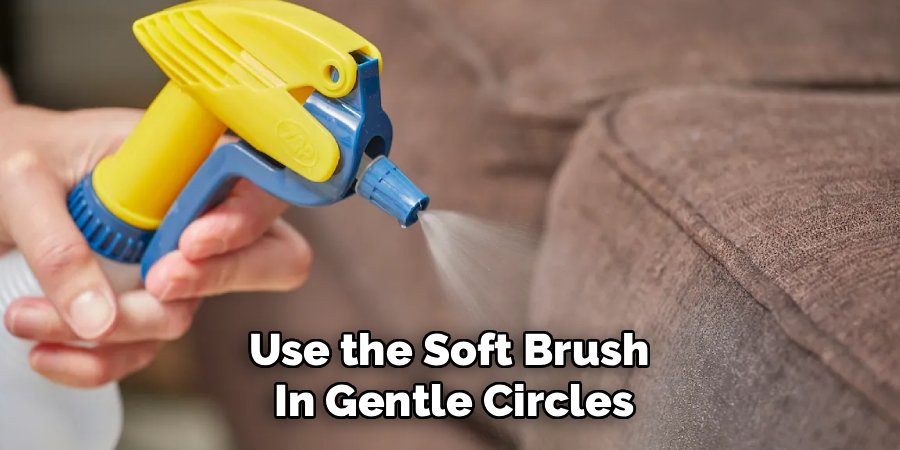
In a bowl, stir a few drops of grease-cutting dish soap into a cup of warm water until it’s lightly sudsy. Dip your cloth, wring it out until it’s barely damp, and dab the stain from the outside edge inward — working inward keeps the ring from spreading. Use the soft brush in gentle circles for anything clinging on.
Follow with a second cloth dampened in clean water to rinse the soap out, then blot dry with a third dry cloth. Leftover soap attracts dirt fast, so this rinse matters more than it seems.
For S Codes: Rubbing Alcohol on a Cloth
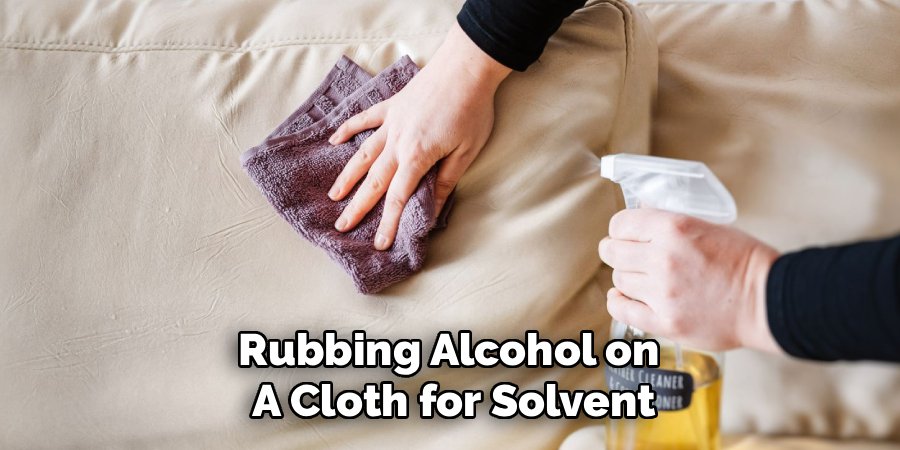
Pour a little isopropyl alcohol onto a clean white cloth — never straight onto the fabric. Blot the stain gently, turning to a fresh part of the cloth as the oil transfers. Alcohol dissolves grease and evaporates without leaving a water ring, which is exactly why solvent-only fabrics prefer it.
For a lingering shadow, a diluted vinegar solution (one part white vinegar to two parts water) on a barely damp cloth can help lift the last of it — but only test it first, since some solvent-coded fabrics still react.
Dry the Spot and Restore the Nap
Blot the cleaned area with a dry towel to pull out moisture, then let it air-dry completely before anyone sits back against it. Point a fan at the spot to speed things along and to stop any faint ring from forming as the fabric dries unevenly.
Once dry, run the soft brush over the area to lift the flattened fibers back up. Head oil stains sit right where people lean, so the nap there is usually crushed flat — a light brushing blends the cleaned patch back into the rest of the cushion.
Safe vs. Unsafe Products for Head Oil on Upholstery
Grease needs the right chemistry to break down, and the wrong product either sets the stain or damages the fabric. Here’s what works versus what backfires.
| Safe to Use | Avoid on Upholstery |
| Cornstarch or baking soda | Colored powders or dyed sponges |
| Grease-cutting dish soap (diluted) | Undiluted dish soap poured on |
| Rubbing alcohol on a cloth (S codes) | Bleach or bleach-based sprays |
| White vinegar, diluted | Hot water on set-in grease |
| Distilled water for rinsing | Soaking the cushion through |
| A barely damp cloth | A dripping wet sponge or rag |
| Blotting from the outside in | Hard scrubbing back and forth |
| Air-drying with a fan | Heat from a hairdryer on the stain |
A hairdryer earns its own note here. Heat sets oil stains permanently, so blasting a warm dryer at the spot to speed drying can lock the grease in for good. Cool air only — always.
Common Mistakes to Avoid
- Grabbing water and soap first. Water spreads oil and drives it deeper. Absorbent powder comes before any liquid.
- Rubbing instead of blotting. Scrubbing pushes grease sideways into clean fabric and roughs up the nap. Blot and press.
- Ignoring the cleaning code. Using water on an “S” or “X” fabric leaves rings and can shrink the weave. Check the tag first.
- Pouring cleaner straight on the fabric. Concentrated soap or alcohol on the surface is hard to rinse out and can lighten color. Apply it to the cloth.
- Using heat to dry. A hairdryer or hot water sets the stain for good. Cool air and patience win.
- Working inward-out. Cleaning from the center outward spreads the stain’s edge. Always go outside edge toward the middle.
- Skipping the rinse. Leftover soap turns into a dirt magnet and the spot re-soils within days. Rinse and blot dry.
Safety and Warnings
This is a low-to-moderate risk job — the main hazards come from rubbing alcohol and fabric damage, so keep a few things in mind.
- Test in a hidden spot first. Try any cleaner on the back of the piece or under a cushion before touching the visible stain, since some fabrics and dyes react badly.
- Ventilate when using alcohol. Rubbing alcohol fumes build up fast in a closed room and are flammable. Open a window and keep it away from any open flame or lit candle.
- Never mix your cleaners. Don’t combine alcohol, vinegar, and soap into one mystery mix. Use one product at a time and rinse your cloth between them.
- Wear gloves for long jobs. Repeated contact with dish soap and alcohol dries out and irritates skin. Rubber gloves keep your hands comfortable through a big cleanup.
- Keep powders away from kids and pets. A bowl of cornstarch sitting on the floor is an invitation for curious hands and paws. Set it up out of reach.
Maintenance and Prevention Tips
A little upkeep keeps head oil from ever building into that dark halo again:
- Add a washable throw or headrest cover. A draped throw over the spot where heads rest takes the oil instead of your cushion, and it goes straight in the wash.
- Vacuum upholstery weekly. Regular vacuuming lifts loose oils and dust before they settle into the fibers and turn greasy.
- Wipe high-contact spots monthly. A quick barely-damp wipe on headrests and armrests stops oil from bonding into a set-in stain.
- Dust with cornstarch between deep cleans. A light powder pass on the headrest overnight, then a vacuum in the morning, pulls out everyday oil before it darkens.
- Rinse hair less product-heavy near cleaning day. Heavy hair oils and gels transfer fastest, so the more product in someone’s hair, the quicker that headrest picks it up.
- Deep-clean seasonally. A full powder-and-clean pass a couple of times a year keeps the whole piece even in color instead of letting one greasy patch stand out.
Frequently Asked Questions
How do you get hair grease out of a couch?
Start with an absorbent powder like cornstarch or baking soda to pull the oil up out of the fibers, let it sit at least 30 minutes, then vacuum it away. Follow with a diluted dish soap solution on water-safe fabric, or rubbing alcohol on a cloth for solvent-only fabric. Always blot from the outside in and let it air-dry.
Does baking soda remove oil from upholstery?
Yes — baking soda works as a grease magnet, drawing oil up out of the fibers as it sits. Sprinkle a thick layer over the stain, leave it 30 minutes to a few hours, then vacuum it up. For a heavy headrest stain, you may need two rounds before moving on to a liquid cleaner.
Can you use rubbing alcohol on upholstery?
You can, and it’s the go-to for solvent-only (“S” code) fabrics because it dissolves grease and dries without a water ring. Pour it onto a clean white cloth rather than the fabric, blot gently, and test a hidden spot first. Keep the room ventilated, since the fumes are strong and flammable.
Why does my headrest turn dark and greasy?
That’s head oil — natural oils from skin and hair, plus any styling products, transferring onto the fabric every time someone leans back. It builds up slowly in the same spot, so it darkens into a halo over months. Wiping high-contact areas regularly and using a washable cover stops it from setting in.
Will a water ring form when I clean it?
It can, if you use too much liquid or let the spot dry unevenly. Keep your cloth barely damp instead of wet, clean from the outside edge inward, and rinse the soap out afterward. Blot dry and aim a fan at the area so it dries evenly with no ring.
How do I get an old, set-in head oil stain out?
Skip the blotting and go straight to a thick powder treatment, leaving it several hours to break the bond between grease and fiber, then vacuum. Repeat the powder pass, then clean with the right product for your fabric code. Deeply set stains sometimes need a second full round — and truly stubborn ones on “S” or “X” fabric are worth handing to a pro.
Pull the grease out with powder before you ever reach for a liquid, match the cleaner to your fabric code, and blot from the edge inward — that’s how the greasy halo disappears without a ring taking its place. Stay ahead of it with a washable headrest cover, and you’ll rarely fight that stain again.
