
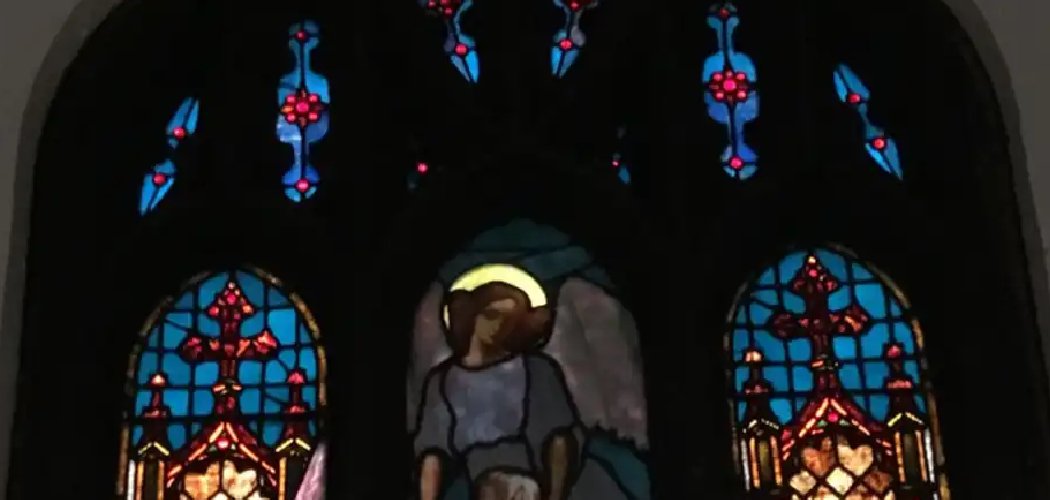
A homeowner once handed me a spray bottle of blue ammonia cleaner and asked why her grandmother’s church-salvaged window kept looking cloudier every year. The ammonia had been slowly eating the putty around the lead came and dulling the painted saint’s face in the center panel — damage you can’t undo. That single habit ruins more antique glass than dirt ever will.
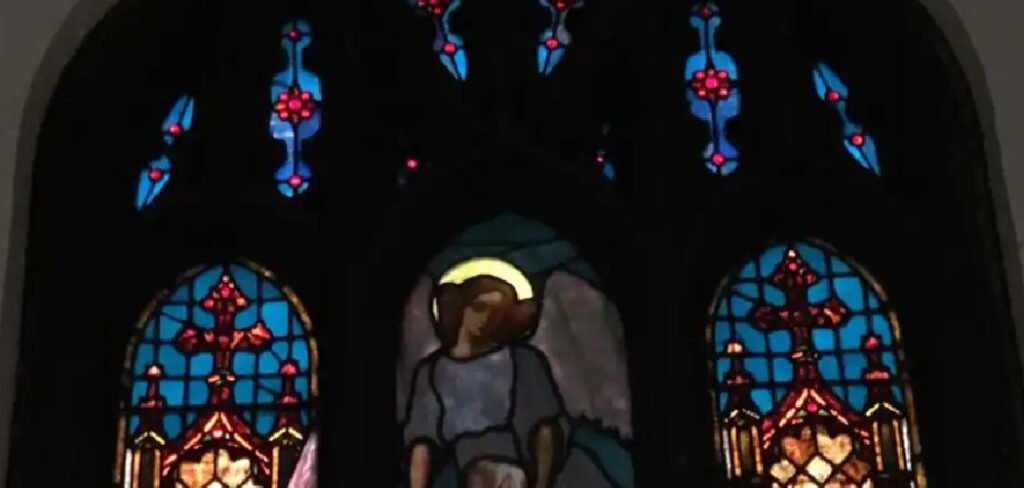
Learning how to clean stained glass window panels the right way comes down to gentleness: soft cloths, plain water, and patience around the lead and solder. Get too aggressive and you strip pigment, loosen came, or scratch hand-painted detail. Treat it kindly and a piece can stay bright for another hundred years.
What You’ll Need
- Two soft, lint-free microfiber cloths
- Cotton swabs and soft-bristled paintbrushes (for tight corners around the came)
- Distilled water (tap water leaves mineral spots)
- A few drops of mild dish soap — optional, only for heavy grime
- A soft natural-bristle brush or hake brush
- A small bowl or two
- A drop cloth or old towel to catch drips
- Clean, dry cotton gloves (to avoid fingerprints on the glass)
- A can of quality renaissance-style microcrystalline wax (optional, for finishing)
Dust the Panel Before You Touch Any Liquid
Loose dust plus water turns into gritty mud that scratches glass and works its way into the came joints. Always start dry.
Hold or support the panel securely, then sweep both sides with a soft natural-bristle brush. Work gently along the lead lines where dust and cobwebs love to settle. For painted or leaded sections, a soft hake brush lifts dust without dragging particles across the surface. Take your time here — this dry pass does half the work and protects the fragile bits.
Test a Hidden Corner First
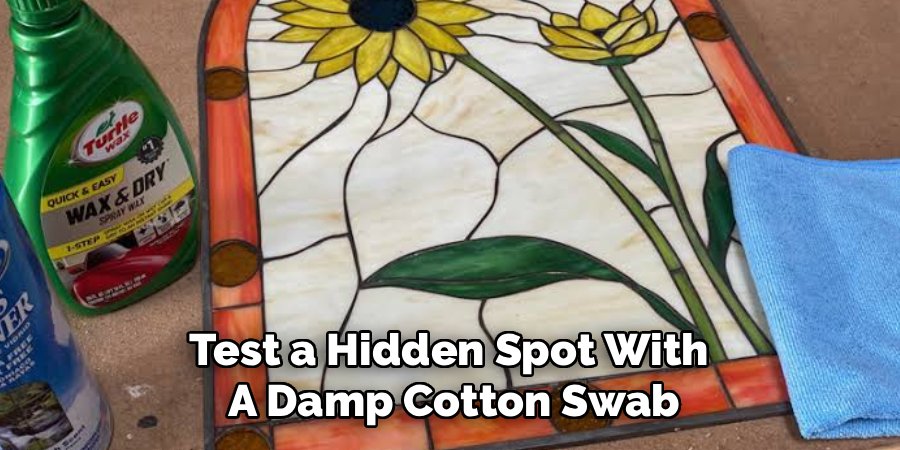
Before you wipe the whole piece, dampen a cotton swab with distilled water and test a small, out-of-sight spot — a lower corner or an edge behind the frame.
Watch what comes off on the swab. A little grime is fine. But if you see color lifting, stop immediately. That means you’re dealing with cold-painted or unfired pigment, and water alone can wash it away. Painted glass that was fired in a kiln is stable; paint applied cold and never fired is not, and it dissolves faster than most people expect. Clients used to assume all “painted” glass was permanent — it isn’t, and one careless wipe can erase a face or a border for good.
Clean the Glass With Distilled Water
For most stable, unpainted or fired-glass panels, distilled water is all you need.
- Lightly dampen a microfiber cloth with distilled water — never soaking wet.
- Wipe one small section at a time, using light circular motions on the glass only.
- For stubborn grime, add one drop of mild dish soap to a bowl of distilled water and use that sparingly.
- Follow immediately with a second cloth dampened in plain distilled water to rinse away any soap film.
- Dry each section with a clean, dry microfiber cloth before moving on.
Work top to bottom so drips fall onto glass you haven’t cleaned yet, not onto finished areas.
Detail the Lead Came and Solder Joints
The lead lines collect the most buildup, and they’re where beginners do the most damage.
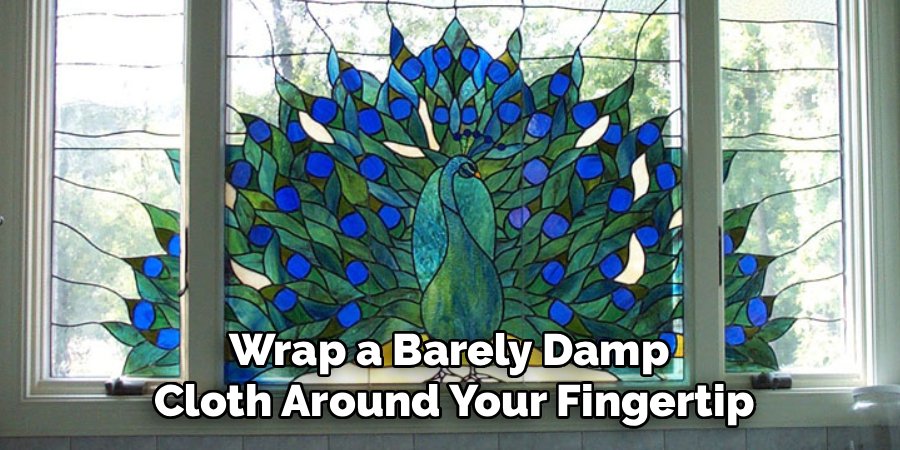
Wrap a barely damp cloth around your fingertip or use a dry cotton swab to trace along the came. Never scrub. Lead is soft, and hard rubbing can push the came out of shape or loosen the glazing putty holding the panel together. If the lead has a dull gray film, that’s natural oxidation — leave it unless you’re restoring the piece, in which case that’s a job for specialist lead-safe methods, not household cleaning.
Dry, Buff, and Finish
Once the whole panel is clean, go over the glass one more time with a dry microfiber cloth and hold it up to the light to catch any streaks or missed spots.
If you want a protective finish on stable glass, apply a thin layer of microcrystalline wax with a soft cloth, let it haze, then buff gently. This adds a light barrier against dust and moisture. Skip the wax entirely on painted or fragile antique pieces — they don’t need it, and it complicates future conservation.
Safe Products vs. Products to Avoid
| Safe to Use | Avoid |
| Distilled water | Ammonia-based glass cleaners (corrode lead, dull pigment) |
| Mild dish soap, heavily diluted | Vinegar or acidic cleaners (attack came and putty) |
| Soft microfiber cloths | Paper towels (lint and micro-scratches) |
| Cotton swabs for detail | Abrasive powders or scouring pads |
| Natural-bristle or hake brushes | Metal scrapers or razor blades |
| Cotton gloves | Commercial “brass and metal” polishes |
| Microcrystalline wax (stable glass only) | High-pressure water or steam |
Common Mistakes to Avoid
- Reaching for ammonia or vinegar. Both attack the lead came and glazing putty, and ammonia can strip painted detail. This is the single most damaging habit I’ve seen.
- Soaking the panel. Excess water seeps into the came joints and putty, weakening the structure over time. Damp, not wet, always.
- Scrubbing the lead lines. Lead is soft and bends easily. Hard pressure distorts came and can crack solder joints.
- Skipping the test spot. Cold-painted glass loses pigment on contact with water. One wipe without testing can erase irreplaceable detail.
- Using paper towels. They shed lint into every crevice and can scratch the glass surface.
- Cleaning a bowed or bulging panel yourself. If the glass is sagging or the came looks wavy, the structure is failing. Cleaning won’t fix it, and handling can make it worse — call a conservator.
Safety and Warnings
Stained glass cleaning has two kinds of risk: to you, and to the piece.
Lead is toxic. The came is made of lead, and older solder often contains lead too. Wear gloves, wash your hands thoroughly when you finish, and never eat or touch your face mid-job. Keep children and pets away from the work area, and don’t let cleaning water sit where it can be touched or splashed.
Never mix cleaning products. If you ever move beyond plain water, use one product at a time. Combining bleach and ammonia releases toxic gas, and there’s no reason to bring either near stained glass anyway.
Ventilate if you use wax. Microcrystalline waxes and their solvents need airflow. Open a window and don’t work in a sealed room.
Support the panel properly. Old glass is heavy and fragile. Lay flat panels on a padded surface and never lift a large piece by one edge — the weight can crack the glass or pull the came apart.
When in doubt, stop. Antique, painted, or valuable religious and heritage glass deserves a professional conservator. If you can’t identify whether the paint is fired, treat it as fragile.
Maintenance and Prevention Tips
A little routine care means you rarely need a deep clean, which is exactly what protects fragile old glass.
- Dust with a soft brush every few weeks. Regular dry dusting stops grime from building into a layer that needs liquid cleaning.
- Control indoor humidity. Damp air accelerates lead oxidation and can encourage condensation on interior panels. A stable, moderate humidity level keeps came healthier.
- Keep windows out of harsh direct spray. If a panel sits near a kitchen or bathroom, cooking grease and steam settle on it fast — wipe those areas more often with just distilled water.
- Inspect the came seasonally. Look for cracks, gaps in the putty, or any bowing. Catching movement early is far cheaper than a full re-lead.
- Add exterior protective glazing for outdoor panels. A ventilated storm panel shields old glass from weather, pollution, and temperature swings.
- Rewax stable panels once a year at most. A thin annual coat is plenty; more just builds up haze.
Frequently Asked Questions
Can you use Windex on stained glass?
No. Standard Windex and similar cleaners are ammonia-based, and ammonia corrodes the lead came, softens the glazing putty, and can dull or strip painted detail over time. Stick to distilled water, and reserve a drop of mild dish soap for heavy grime only.
How do you clean old stained glass without damaging it?
Start dry by dusting with a soft brush, test a hidden spot with a damp cotton swab, then wipe the glass gently in small sections using distilled water and a soft microfiber cloth. Avoid soaking, scrubbing the lead, and any acidic or ammonia-based product. If paint lifts during your test, stop and call a conservator.
Is vinegar safe for stained glass windows?
No. Vinegar is acidic and attacks both the lead came and the putty that holds the panel together. It may look like it cleans well, but it slowly weakens the structure. Plain distilled water is the safer choice.
Why does my stained glass look cloudy?
Cloudiness usually comes from mineral deposits left by hard tap water, old cleaner residue, or a fine film of dust and grease. Re-clean gently with distilled water only. If the haze sits within the glass itself or the paint looks worn, that’s age or pigment loss, and cleaning won’t restore it.
How often should you clean a stained glass window?
Dust lightly every few weeks and do a gentle damp clean once or twice a year for most panels. Windows near kitchens, bathrooms, or busy roads collect grime faster and may need wiping more often.
Can you clean the lead came on stained glass?
Only very gently. Trace the came with a barely damp cloth or dry cotton swab — never scrub, since lead is soft and bends easily. The dull gray film on old lead is natural oxidation; leave it unless a professional is restoring the piece.
Final Thoughts
Respect the lead, skip anything acidic or ammonia-based, and test before you commit to the whole panel. Handle stained glass gently and it rewards you with color that lasts for generations — rush it, and the damage is usually permanent.
