
I got a call in the middle of an August heatwave from a homeowner whose ceiling had a brown water stain spreading across it like a slow-motion Rorschach test. The culprit wasn’t a roof leak. It was a condensate pump that had backed up because the line running off it was packed with slimy black gunk, and the water had nowhere to go but sideways into the drywall.
That’s the number one thing people miss. Knowing how to clean condensate pump line buildup before it clogs is what keeps that water moving where it should, instead of ending up on your floor, your ceiling, or inside the pump motor itself.
What You’ll Need
Round these up before you start so you’re not running back and forth with the pump half open.
- A wet/dry shop vac
- Distilled white vinegar (or a 1:1 bleach-water mix, if the line isn’t near plants)
- A stiff-bristle bottle brush or pipe cleaner
- A small funnel
- A bucket
- A screwdriver (usually Phillips)
- Rubber gloves
- Old towels or rags
- A flashlight
- Zip ties or a replacement clip (in case a fitting is brittle)
- Optional: a length of thin flexible tubing for flushing
Cut the Power to the Pump First
Before you touch anything, kill the power. A condensate pump plugs into an outlet or wires into your HVAC system, and the last thing you want is the float switch kicking the motor on while your hands are inside it.
Unplug it at the wall, or flip the breaker if it’s hardwired. Then find the furnace or air handler switch and shut that down too, so no new condensate drips in while you work. Give it a minute and confirm the motor is fully still before moving on.
Empty and Detach the Line
Slide your bucket under the pump. Most units have a discharge line — a thin vinyl or PVC tube — running from the top of the pump up and out toward a drain or the exterior.
Loosen the clamp or clip holding that line to the pump’s discharge port. Pull the line free slowly, because whatever water is sitting in it will drain back down. Let it empty into the bucket completely before you lift the line higher than the pump, or you’ll get a surprise trickle down your arm.
Check the Line for the Clog Location
Hold the detached line up to your flashlight. You’re looking for the dark, ropey biofilm that collects along the inside walls. Nine times out of ten the blockage sits within the first foot or two of the discharge port, where the tube bends and flow slows down.
Flush the Line With Vinegar
Here’s where the actual cleaning happens. Distilled white vinegar dissolves the algae and mineral slime without the fumes or plant damage bleach can cause.
- Fit your funnel into the high end of the discharge line.
- Pour about a cup of undiluted vinegar through it, letting gravity carry it down.
- Let it sit for 20 to 30 minutes so the acid can break down the biofilm.
- Push your bottle brush or pipe cleaner through both ends of the tube to scrub loose anything the vinegar softened.
- Flush the line with clean water from the funnel until it runs clear and drains freely.
If the water still pools and won’t pass through, the clog is stubborn. Move to the shop vac.
Use a Shop Vac for a Stubborn Clog
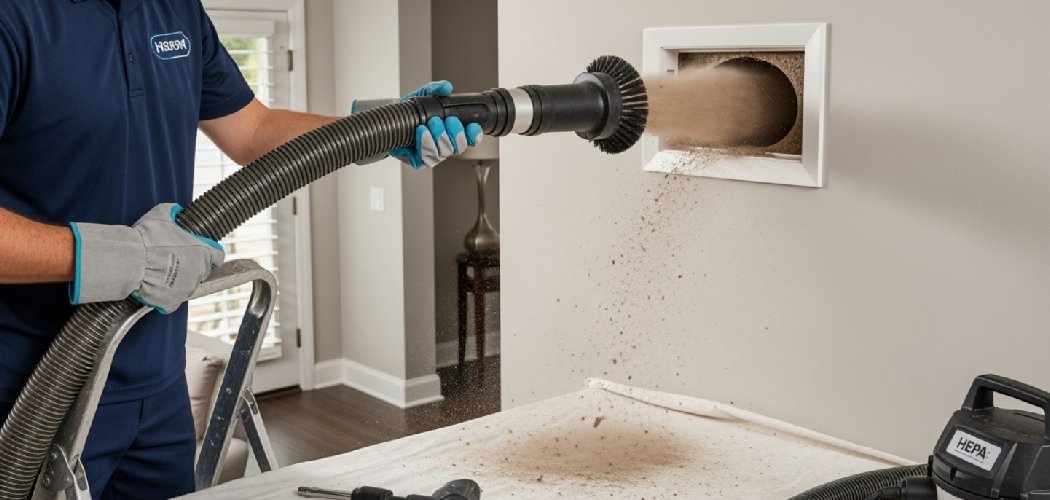
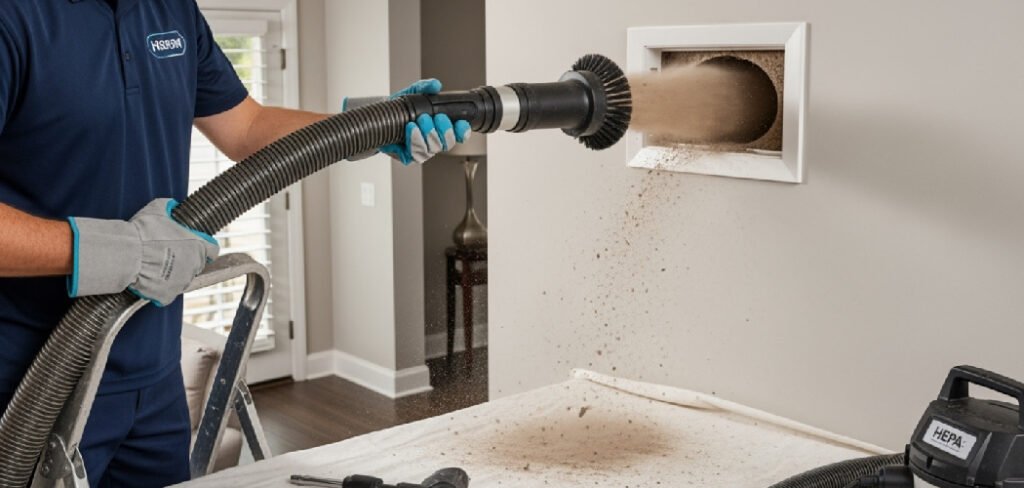
Press the shop vac hose against the far end of the discharge line — the outlet end — and seal the gap with a wet rag wrapped around the joint. Run the vac for 15 to 20 seconds. The suction pulls the plug of gunk straight out into the vac canister. This is the same trick I used on outdoor AC drain lines for years, and it clears a blockage faster than anything you can pour down.
Clean the Pump Reservoir
While the line soaks, don’t ignore the tank it sits in. Lift the pump’s lid or top housing off — usually a couple of screws — and you’ll see the reservoir where condensate collects before the pump sends it out.
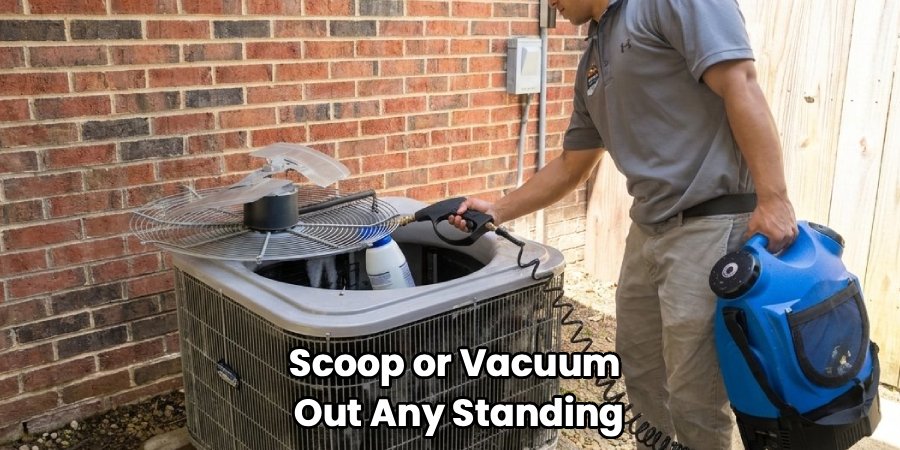
Scoop or vacuum out any standing water and sludge. Wipe the walls of the reservoir with a vinegar-dampened rag, and gently clear debris off the float switch. That float is what tells the pump to turn on, and a gummed-up float is a common reason a pump quits without warning. Rinse the reservoir with a little clean water and vacuum it dry.
Reassemble and Test
Reattach the discharge line to the port and secure the clamp. If the old clip is cracked or brittle — vinyl gets stiff after a few summers — swap in a fresh zip tie. Set the housing back on and screw it down.
Restore power to the pump and the furnace. Pour a cup or two of clean water into the reservoir to trip the float switch. Watch the pump kick on and push the water through the line. If it flows out the far end without pooling, you’re done.
Method Comparison: Vinegar vs Bleach vs Shop Vac
| Method | Best For | Contact Time | Watch Out For |
| White vinegar | Routine cleaning, biofilm, light mineral scale | 20–30 min | Slower on heavy clogs |
| Bleach (1:1 water) | Heavy algae, musty smell | 15–20 min | Never use near plants or metal fittings; harsh fumes |
| Shop vac suction | Full blockages, water that won’t drain | 15–20 sec | Won’t dissolve buildup, only pulls the plug free |
| Hot water flush | Very light maintenance between cleanings | Immediate | Won’t kill algae on its own |
| Compressed air | Clearing a cleared line of leftover water | Immediate | Can pop fittings loose if pressure is too high |
Common Mistakes to Avoid
These are the slip-ups I saw over and over on service calls.
- Leaving the power on. The float switch can trigger the motor mid-cleaning. Always unplug or cut the breaker first.
- Pouring bleach near landscaping. If your line drains outside next to plants, bleach runoff will scorch them. Use vinegar instead.
- Skipping the reservoir. People flush the line and forget the tank, so the float stays gummed and the pump keeps failing.
- Yanking the line off dry. Old vinyl tubing cracks when you force it. Warm it slightly in your hands or work it off gently.
- Reusing a brittle clip. A loose fitting leaks under pressure. Replace anything stiff or cracked.
- Forgetting to test. If you don’t run water through before you walk away, you won’t know the clog is actually gone until the next backup.
Safety and Warnings
This job involves electricity, standing water, and cleaning chemicals, so a few precautions matter.
- Never work on the pump with power connected. Water and live electrical components are a genuine shock hazard. Unplug it or flip the breaker every single time.
- Never mix bleach with vinegar or ammonia. Combining them releases toxic chlorine gas. Pick one cleaner and rinse the line thoroughly before switching products.
- Ventilate if you use bleach. These lines often sit in tight basements or utility closets. Open a door or run a fan so you’re not breathing fumes in a sealed room.
- Wear rubber gloves. The biofilm inside a condensate line is loaded with bacteria and mold. You don’t want that on bare skin or under your nails.
- Watch your footing around standing water. A wet basement floor near an electrical outlet is a slip and shock risk at once.
- Don’t over-pressurize with compressed air. Too much force blows fittings apart and can crack an older reservoir.
If you smell a sharp chemical odor or feel lightheaded while using bleach, stop, step outside, and let the space clear before going back in.
How to Keep the Line Clean Longer

A clean line clogs again fast if you don’t stay ahead of it. Algae loves the dark, damp inside of that tube, especially through a hot, humid cooling season.
- Flush with vinegar every one to three months during cooling season. A cup down the line keeps biofilm from taking hold. This is the step almost everyone skips.
- Drop in a condensate pan tablet. These slow-release tabs sit in the reservoir and discourage algae growth between cleanings.
- Keep the discharge line sloped downhill. Any sag or low spot holds water and grows gunk. Reroute or support the tubing so it drains fully.
- Check the float switch moves freely whenever you flush. A sticky float is the early warning sign of trouble.
- Change your HVAC air filter on schedule. A dirty filter pushes more dust into the system, and that dust ends up as sludge in your condensate.
- Do a spring check before the first hot stretch. Clients used to ask me why their pump died in July every year — it was because nobody looked at it until it was already drowning. A ten-minute flush in spring heads that off.
Frequently Asked Questions
How often should you clean a condensate pump line?
Flush the line with vinegar every one to three months during the cooling season, and do a full cleaning at least once a year. If you live somewhere hot and humid, or your pump sits in a warm basement, lean toward the more frequent end. Algae grows fastest in exactly those conditions.
Can I use bleach to clean a condensate line?
Yes, a 1:1 bleach-and-water mix clears heavy algae and kills the musty smell. But never use it if the line drains outside near plants, since the runoff will kill them. Bleach can also corrode metal fittings over time, so many pros prefer vinegar for routine cleaning and save bleach for stubborn buildup.
Why does my condensate pump keep backing up?
The most common cause is a clogged discharge line or a gummed-up float switch. Biofilm builds up inside the tube and slows the flow until water pools and overflows. A stuck float means the pump never turns on to empty the reservoir. Cleaning both usually solves it.
What can I pour down a condensate line to clean it?
Distilled white vinegar is the safest and most effective option for regular cleaning. Pour a cup through the line, let it sit 20 to 30 minutes, then flush with clean water. Avoid harsh drain cleaners, which can damage the plastic tubing and pump components.
Should there be water in the condensate pump reservoir?
A small amount is normal, since the reservoir collects condensate before the pump sends it out. But if the water sits well above the fill line or never drains down, the pump isn’t cycling properly. Check the float switch and the discharge line for a clog.
Can a clogged condensate line damage my AC?
Yes. When the line clogs, water backs up into the pump and, in many systems, triggers a safety switch that shuts the AC off entirely. If there’s no safety switch, the overflow can flood the area and stain ceilings or floors, exactly the ceiling-stain call I mentioned at the start.
Final Thoughts
A clear condensate line is what stands between a smooth-running AC and water on your floor. Cut the power, flush the buildup with vinegar, clean out the reservoir, and test the flow before you close it up. Do a quick flush every few weeks in cooling season and you’ll rarely deal with a backup again.
