
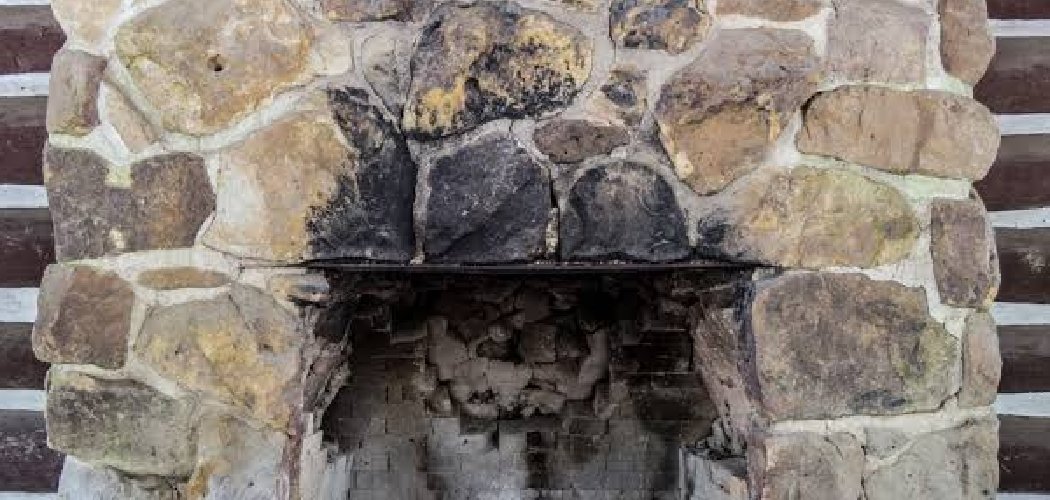
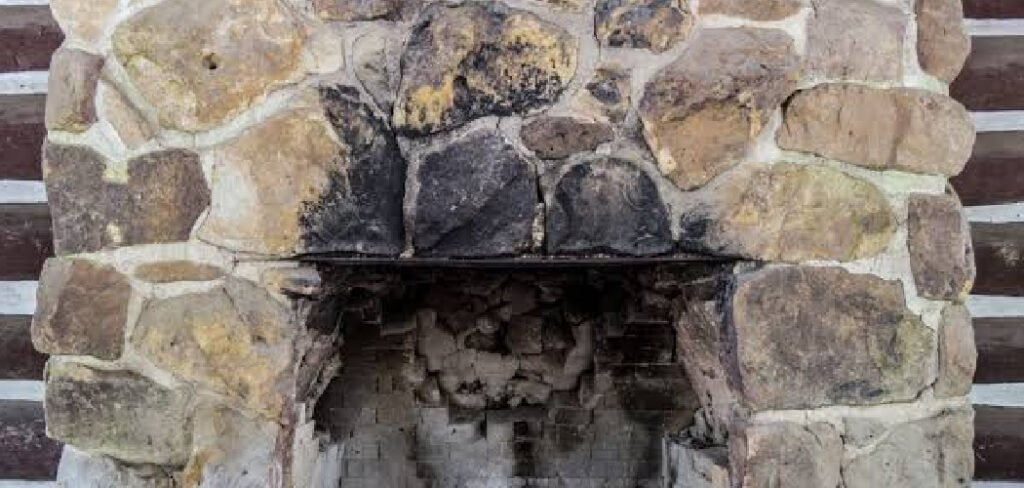
The most common wreck I got called to fix started the same way: someone grabbed a bottle of bathroom cleaner, sprayed it all over their natural stone hearth, and scrubbed hard. A week later they had chalky white streaks, dull patches, and etching that no amount of elbow grease would undo. Acidic and harsh cleaners eat into porous rock, and that damage is permanent.
Rock fireplaces collect soot, smoke film, and dust in a way that looks worse than it actually is. The good news is that learning how to clean a rock fireplace comes down to the right order and gentle products, not aggressive scrubbing. Get the sequence right and most of the grime lifts off with warm water and a little patience.
What You’ll Need
Set everything out before you start so you’re not running for supplies with dirty hands and a half-scrubbed wall.
- A drop cloth or old towels
- A vacuum with a brush attachment
- A stiff-bristle nylon brush (not wire)
- A soft-bristle brush or old toothbrush for detail work
- Two buckets
- Mild dish soap
- White vinegar (for tougher spots on sealed stone only)
- Trisodium phosphate (TSP) or a TSP substitute for heavy soot
- Baking soda
- Clean microfiber cloths and rags
- Spray bottle
- Rubber gloves
- Safety glasses
- A dust mask
- Plastic sheeting and painter’s tape to protect nearby surfaces
Keep the wire brushes and the acidic tile cleaners in the garage. On natural stone, both cause more damage than the soot you’re trying to remove.
Protect the Area and Clear Loose Debris First
Lay your drop cloth across the hearth and floor, and tape plastic sheeting over any mantel, trim, or flooring that butts up against the stone. Soot runs when it gets wet, and gray streaks on a light carpet are a headache you don’t need.
Now vacuum the whole fireplace with the brush attachment. Work top to bottom so falling dust lands on surfaces you haven’t cleaned yet. Get into the grout lines and the gaps between stones, where cobwebs and ash like to hide. Clearing this loose layer first means your wet cleaning actually lifts grime instead of turning dry dust into muddy paste.
Dry-Brush the Stone Before Any Water Touches It
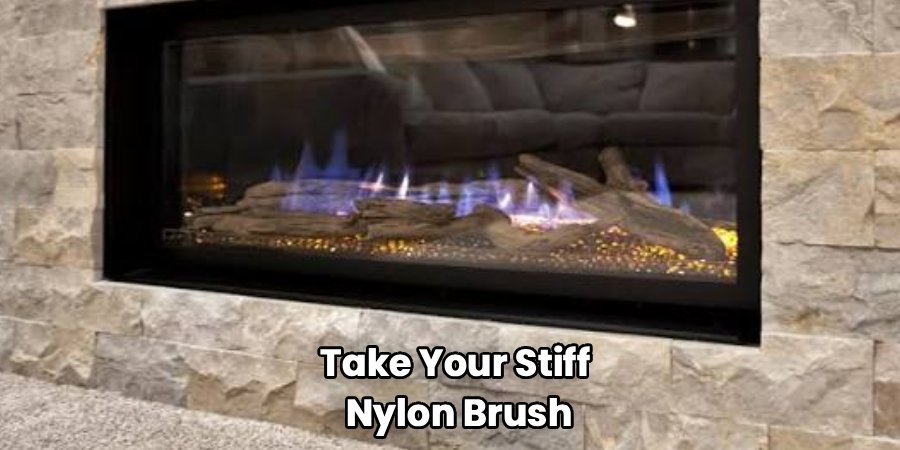
Take your stiff nylon brush and work the surface dry, using short strokes to knock loose soot and flaking debris out of the texture. Rock is rarely smooth, so those pits and ridges trap a surprising amount of powder. Vacuum again once you’ve loosened it.
This is the step most people skip, and it’s the one that saves you the most scrubbing later. Dry soot smears when wet, so the more you remove now, the cleaner your final result.
Wash With Warm Water and Mild Dish Soap
Fill one bucket with warm water and a squirt of dish soap, and keep the second bucket filled with clean rinse water. Dip your nylon brush, shake off the excess so it’s damp rather than dripping, and scrub in small sections from the bottom up.
Working bottom to top sounds backward, but it keeps dirty streaks from running down over stone you’ve already cleaned and drying into stubborn marks. Rinse your brush in the clean bucket often, and wipe each section with a damp microfiber cloth before moving on. For most everyday dust and light smoke film, this single step does about 90% of the job.
Tackle Grout Lines and Crevices
Switch to your soft toothbrush for the mortar joints and tight crevices between stones. These lines hold grime long after the flat faces look clean. A little soapy water and gentle circular scrubbing brings them back without gouging the mortar.
Lift Heavy Soot and Smoke Stains
If your fireplace has years of dark buildup around the firebox opening, plain soap won’t cut it. Mix TSP according to the package directions, put on your gloves and glasses, and apply it to the stained areas with your brush. Let it sit for a few minutes, then scrub gently and rinse thoroughly with clean water.
For a gentler option on lighter stains, make a paste of baking soda and water, spread it over the mark, and leave it for 10 to 15 minutes before scrubbing. Baking soda is mildly abrasive and safe on stone, so it’s my go-to when I’m not sure how a surface will react.
A Note on Vinegar
Diluted white vinegar cuts smoke film nicely, but only use it on sealed stone, and always test a hidden spot first. On raw or unsealed natural rock, vinegar’s acidity can dull and etch the surface. When clients asked me why one wall cleaned up beautifully and another went chalky, it almost always came down to whether the stone had ever been sealed.
Rinse, Dry, and Assess
Go over the entire fireplace one more time with clean water and a fresh microfiber cloth to pull off any leftover soap or cleaner residue. Residue attracts dust and can leave a haze once it dries. Then dry the stone with towels and let it air out fully before you light another fire.
Step back and look at it in good light. Any spots you missed will show up now, while the stone is still slightly damp, so you can hit them before packing up.
Quick Step-by-Step Checklist
Follow this order every time and you’ll avoid the streaks and smears that trip most people up:
- Cover the hearth, floor, and nearby trim with drop cloths and plastic.
- Vacuum the whole fireplace top to bottom with a brush attachment.
- Dry-brush the stone to loosen soot, then vacuum again.
- Wash in small sections, bottom to top, with warm soapy water.
- Detail the grout lines and crevices with a soft toothbrush.
- Treat heavy soot with TSP or a baking soda paste.
- Rinse thoroughly with clean water.
- Dry with towels and let the stone air out completely.
What to Use vs. What to Avoid
| Use This | Avoid This |
| Warm water and mild dish soap | Acidic bathroom or tile cleaners |
| Stiff nylon brush | Wire brush (scratches and rusts) |
| Baking soda paste for stains | Abrasive scouring powders |
| TSP for heavy soot | Bleach straight on porous stone |
| Diluted vinegar on sealed stone only | Vinegar on raw, unsealed rock |
| Damp brush, wrung out | Soaking the stone with water |
| Bottom-to-top washing | Top-down washing that streaks |
| Soft toothbrush on grout lines | Metal picks that gouge mortar |
Common Mistakes to Avoid
- Reaching for acidic cleaners. Bathroom sprays and tile cleaners etch natural stone permanently. Mild soap handles most of the job safely.
- Skipping the dry cleaning. Wetting soot before you’ve vacuumed and dry-brushed turns it into a smeary paste that spreads the stain wider.
- Soaking the stone. Rock is porous. Drowning it drives grime and moisture deeper and can lead to slow drying and mineral haze. Keep your brush damp, not dripping.
- Using a wire brush. It scratches softer stone and leaves rust flecks that stain. Stick with nylon.
- Cleaning top to bottom. Dirty water runs down over clean stone and dries into streaks. Always work upward.
- Not testing vinegar first. On unsealed rock, vinegar dulls the surface. Test a hidden corner before trusting it anywhere visible.
Safety and Warnings
You’re working with chemicals and dust, so a few precautions matter here.
- Never mix cleaners. Keep bleach, ammonia, vinegar, and TSP apart. Combining them can create toxic fumes. Rinse the stone fully between different products.
- Wear a dust mask. Old soot and ash contain fine particles you don’t want in your lungs, especially during the dry-brushing and vacuuming steps.
- Glove up with TSP. Trisodium phosphate is caustic and can irritate skin and eyes. Wear rubber gloves and safety glasses, and ventilate the room.
- Test in a hidden spot first. Every stone reacts differently. Try any new cleaner on an inconspicuous area and wait to see the result before going wide.
- Make sure the fire is fully out. Only clean a firebox that’s completely cold, with no lingering embers. Give it a full day after your last fire.
- Ventilate the space. Open a window while you work, particularly when using TSP or vinegar.
Maintenance and Prevention
A little routine care keeps the deep-cleaning sessions rare and quick.
- Dust monthly. A quick pass with a vacuum brush attachment stops soot and dust from building into a stubborn film.
- Wipe spills right away. Wine, grease, or drink splashes soak into porous rock fast. Blot and clean them the moment they happen.
- Seal your stone. A quality stone sealer makes the surface far easier to wipe down and protects it from staining. Reapply every year or two, depending on use.
- Burn seasoned wood. Dry, well-seasoned hardwood produces far less soot and creosote than green or damp wood, so your fireplace stays cleaner between fires.
- Do a deep clean at season’s end. The best time to fully clean is in early spring, right after you’ve stopped lighting fires. The stone has a long off-season to dry out completely, and you’re not fighting fresh soot every week.
- Keep the flue and chimney serviced. A well-drawing chimney pulls smoke up and out instead of letting it film across your stone face.
Frequently Asked Questions
What is the best cleaner for a natural stone fireplace?
Warm water with a few drops of mild dish soap handles most cleaning safely. For heavy soot, use TSP or a baking soda paste. Skip acidic and abrasive cleaners, which permanently etch and dull natural stone.
How do you remove black soot from stone around a fireplace?
Vacuum and dry-brush the loose soot first, then scrub with TSP mixed to package directions, or a baking soda paste for lighter marks. Let it sit a few minutes, scrub gently, and rinse thoroughly with clean water. Never wet soot before you’ve removed the dry layer, or it smears.
Can you use vinegar to clean a rock fireplace?
Only on sealed stone, and always test a hidden spot first. Diluted white vinegar cuts smoke film well, but on raw, unsealed rock its acidity dulls and etches the surface. If you’re unsure whether your stone is sealed, use soap and water instead.
How often should you clean a rock fireplace?
Dust it monthly and do a full wash once a year, ideally at the end of burning season. If you use the fireplace heavily through winter, you may want a mid-season cleaning around the firebox opening where soot builds fastest.
Will bleach damage a stone fireplace?
Straight bleach can discolor and weaken porous stone and mortar, so avoid pouring it directly on the surface. If you’re fighting mildew, use a heavily diluted solution, test it first, and rinse thoroughly. For general cleaning, gentler options work better and safer.
Why does my fireplace stone look chalky after cleaning?
That chalky haze usually means either leftover cleaner residue or acid etching from a product that was too harsh. Rinse thoroughly with clean water and dry the stone. If the dullness stays, an acidic cleaner likely etched the surface, and resealing may help restore some appearance.
The Takeaway
Most rock fireplaces clean up with nothing fancier than warm water, mild soap, and the right order of steps. Save the heavy products for real soot buildup, protect the stone from anything acidic, and a yearly wash will keep it looking sharp for decades.
