
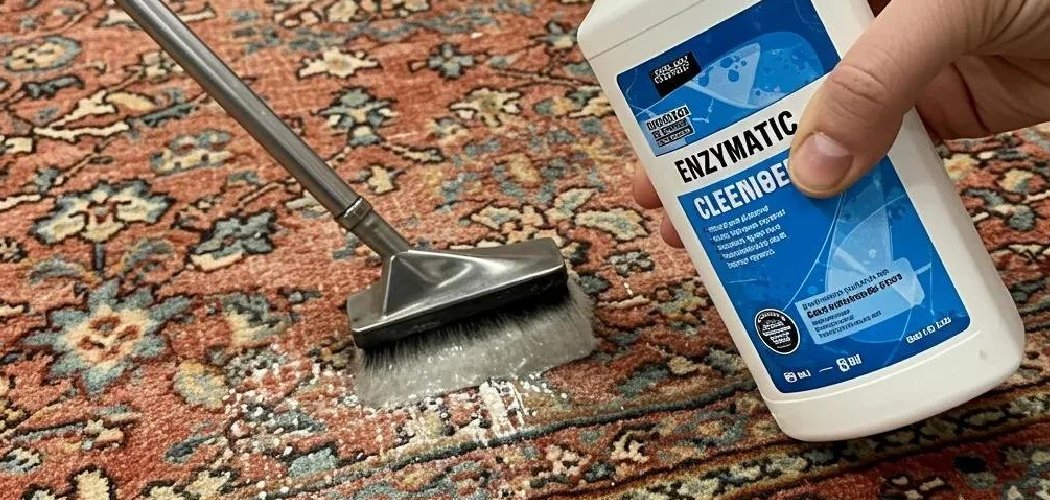
Picture this: red wine hits your cream carpet during a dinner party, you panic, and you soak the whole patch with a wet rag. An hour later you’ve got a bigger, faded ring and a damp smell that lingers for days. That single reflex — reaching for water first — is the number one way people turn a small spill into permanent damage.
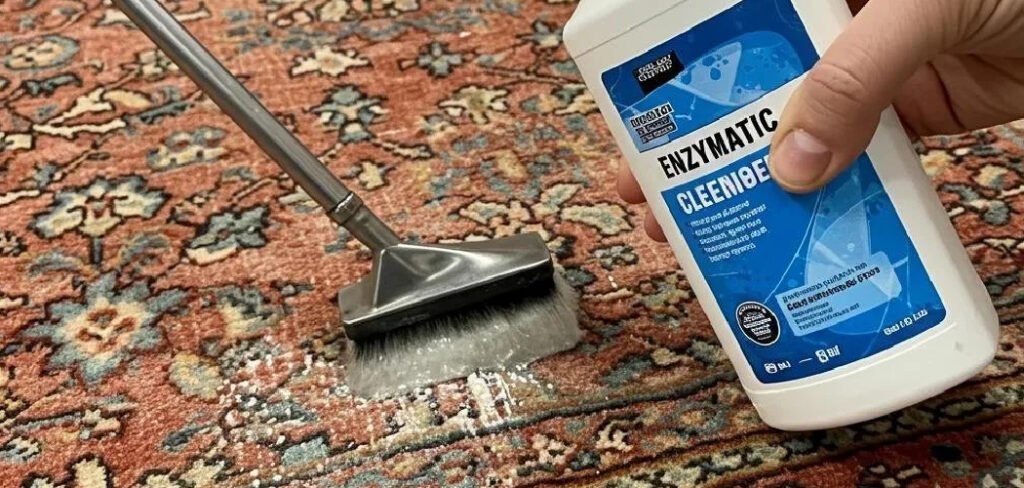
The good news is that you don’t need a soaking-wet mess to get a carpet clean. Learning how to clean a carpet without water protects the backing, prevents mildew, and lets you keep using the room within minutes. I spent over a decade cleaning carpets professionally, and dry methods were my go-to for delicate fibers and quick jobs.
What You’ll Need
Gather these before you start. Most of it is probably already in your cupboard:
- Baking soda (the workhorse for odor and light grease)
- Cornstarch or talcum powder (great on oily spots)
- A stiff-bristle brush and a soft-bristle brush
- A vacuum with strong suction and a hose attachment
- Dry-cleaning solvent or a dry carpet cleaning powder (store-bought)
- White cloths or paper towels (no dyes)
- A dull butter knife or spoon for scraping
- Rubbing alcohol (isopropyl, 70% or higher)
- A small bowl and a spray bottle
- Rubber gloves
Blot and Scrape Before You Do Anything Else
If you’re dealing with a fresh spill, act fast but stay calm. Scoop up any solids with the butter knife, working from the outside of the spot toward the center so you don’t spread it wider.
Then blot — don’t rub. Press a dry white cloth straight down and lift. Rubbing pushes the mess deeper into the pile and frays the fibers. Keep switching to a clean section of cloth until nothing more transfers.
Sprinkle Baking Soda to Absorb and Deodorize
This step handles the bulk of odors and light grime. Cover the affected area with a generous, even layer of baking soda. For a whole-room refresh, sprinkle it across the entire carpet.
Here’s a detail most people skip: let it sit longer than the box suggests. Fifteen minutes barely does anything. I always told clients to leave baking soda on overnight for set-in pet smells — the powder needs hours to pull moisture and odor out of the fiber base. If you can’t wait, aim for at least 30 minutes.
Work the Powder Into the Pile
Take your soft-bristle brush and gently work the baking soda down into the carpet. You want it reaching the base of the fibers, not just sitting on top. Use small circular motions and light pressure.
For high-traffic zones like hallways, a second, lighter sprinkle after brushing helps grab whatever the first pass missed.
Treat Stubborn Spots With Solvent or Alcohol
Grease, ink, and makeup don’t respond to powder alone. Dab a small amount of dry-cleaning solvent or rubbing alcohol onto a white cloth — never pour it directly on the carpet.
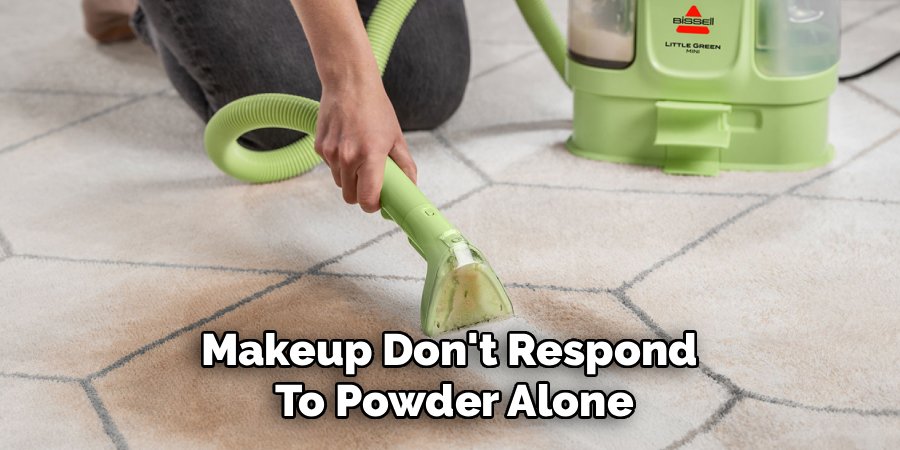
Press the cloth onto the stain and hold for a few seconds, then blot. Repeat with a fresh section of cloth. For oily stains, sprinkle cornstarch over the spot first, wait 20 minutes, vacuum, then follow with the solvent. The powder lifts the grease so the solvent has less to fight.
Vacuum Thoroughly in Multiple Directions
Once everything has had time to work, vacuum slowly. Rushing here is a mistake — fast passes leave powder deep in the pile, and that residue attracts dirt later.
Go over each section two or three times, changing direction each pass. Cross-hatching lifts fibers so the vacuum reaches trapped powder and loosened dirt. Empty the canister or bag when it fills; a clogged vacuum just redistributes what you’re trying to remove.
Dry Powder vs. Wet Cleaning: Which to Choose
Not every job calls for the same approach. Here’s how the two methods stack up.
| Factor | Dry Powder Method | Wet Cleaning |
| Drying time | Minutes | 6–24 hours |
| Mildew risk | Very low | Higher if under-dried |
| Best for | Light grime, odors, quick refresh | Deep, ground-in soil |
| Fiber safety | Gentle on wool and delicate pile | Can shrink or brown some fibers |
| Room downtime | Almost none | Half a day or more |
| Equipment cost | Low | Higher (machine rental) |
For weekly upkeep and small accidents, dry wins. For a once-a-year deep clean on sturdy synthetic carpet, wet still has its place.
Common Mistakes to Avoid
I’ve seen these ruin more carpets than any stain ever could:
- Using colored cloths or paper towels. Dyes transfer onto wet fibers and leave you with a second problem.
- Scrubbing hard. Aggressive rubbing untwists the pile and leaves a fuzzy, worn-looking patch that never lays flat again.
- Skipping the patch test. Solvents and even baking soda can react with certain dyes or backings. Always test a hidden corner first.
- Under-vacuuming. Leftover powder cakes up over time and can feel gritty underfoot.
- Treating an old stain like a new one. Set-in stains often need a solvent, not more powder. Powder alone won’t touch dried ink.
Safety and Warnings
Dry cleaning is safer than wet methods, but a few real hazards still apply.
Ventilate the room. Dry-cleaning solvents and rubbing alcohol give off fumes. Open windows and run a fan while you work, and keep going until the smell fades.
Never mix cleaning products. Combining solvents, bleach, or ammonia-based cleaners can release toxic gas. Stick to one product at a time and rinse your cloth between different treatments.
Wear gloves. Solvents dry out and irritate skin with repeated contact. Rubber gloves are cheap insurance.
Test in an inconspicuous area first. Pick a spot under furniture or inside a closet. Apply your product, wait ten minutes, and check for color change or fiber damage before treating the visible area.
Keep powders away from pets and kids until you’ve vacuumed. Baking soda is low-risk, but store-bought cleaning powders often contain solvents you don’t want small hands or paws in.
Maintenance and Prevention Tips
Cleaning less starts with smart habits. These are the moves that kept my regular clients’ carpets looking new for years:
- Vacuum twice a week in busy areas. Dirt is abrasive, and grinding it underfoot is what actually wears carpet out.
- Put down mats at every entrance. A good doormat traps the majority of dirt before it reaches your carpet.
- Enforce a shoes-off rule. Outdoor soles carry oil, grit, and salt straight into the fibers.
- Sprinkle baking soda monthly as a whole-room deodorizer, then vacuum. It keeps things fresh between deeper cleans.
- Rotate your furniture a few inches now and then. This spreads out foot traffic and prevents permanent crush marks.
- Deal with spills immediately. A fresh spot lifts in seconds; a dried one can take an hour and still leave a shadow.
One seasonal note: in winter, road salt tracked indoors leaves white crusty marks. Vacuum it up dry — never wet it, because dissolving the salt drives it deeper into the fibers.
Frequently Asked Questions
Can you clean a carpet without any water at all?
Yes. Dry powders, solvents, and thorough vacuuming handle most everyday dirt and odors with zero water. You only need moisture for deeply ground-in soil that dry methods can’t reach, and even then you want to use as little as possible.
How long does baking soda need to sit on carpet?
Thirty minutes works for a light refresh, but overnight is far better for stubborn odors like pet accidents or smoke. The longer it sits, the more moisture and smell it pulls from the base of the fibers.
Does dry carpet cleaning actually work as well as steam cleaning?
For surface dirt, odors, and quick spot treatment, dry methods work beautifully and dry instantly. Steam cleaning still edges ahead for deeply embedded soil, so many people use dry cleaning weekly and steam once or twice a year.
What can I use instead of a carpet cleaner?
Baking soda, cornstarch, and rubbing alcohol cover most situations you’ll face. Baking soda handles odors and light grime, cornstarch lifts grease, and alcohol tackles ink and dye-based stains.
Will baking soda damage my carpet or vacuum?
Baking soda is safe for most carpets, but a very heavy layer can clog some vacuum filters and settle deep into thick pile. Use an even, moderate amount and vacuum in several directions to clear it fully.
How do I get rid of carpet odor without washing it?
Sprinkle baking soda across the whole carpet, work it in with a soft brush, leave it overnight, then vacuum thoroughly. For lingering smells, repeat the process or target the source spot with a dab of rubbing alcohol on a cloth first.
Final Word
Dry cleaning rewards patience more than muscle — give your powders time to work and your vacuum time to lift them out. Master these steps and you’ll handle spills confidently, skip the drying wait entirely, and keep your carpet looking sharp between deep cleans.
