
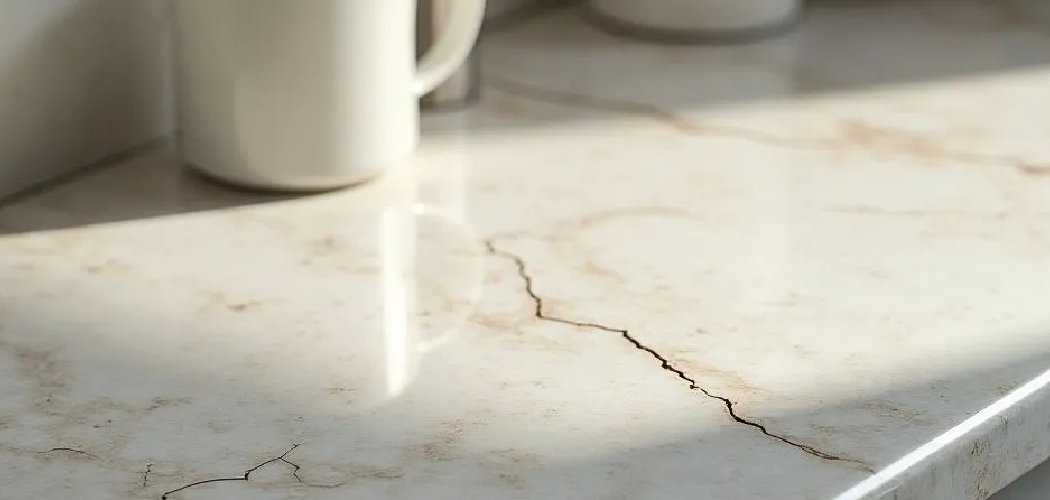
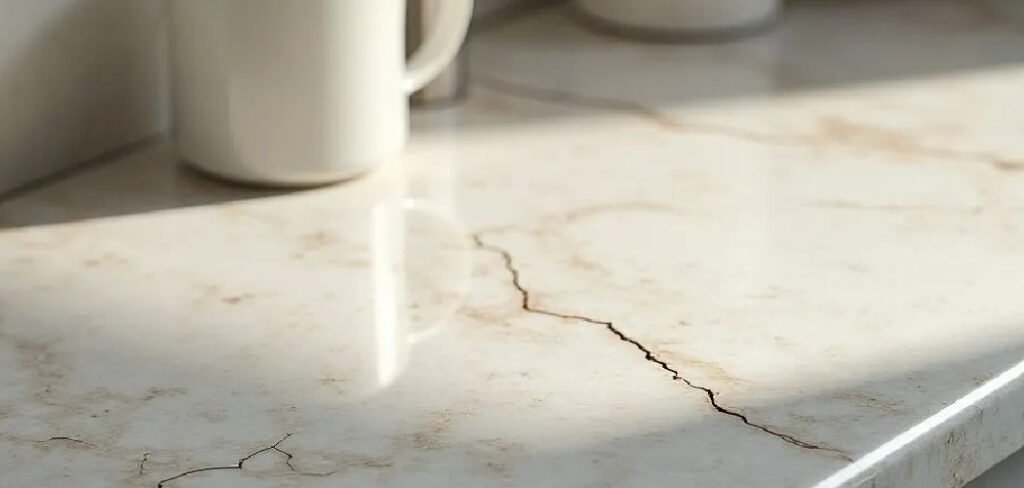
Someone once handed me a bottle of lemon-scented spray and asked why their brand-new “quartz” counter had a dull, cloudy patch near the sink. It wasn’t quartz. It was quartzite — a natural stone — and the acidic cleaner had etched the surface in a matter of weeks. That one mix-up is behind more damaged countertops than any dropped pan or spilled wine.
Learning how to clean quartzite countertops starts with one fact: this is real stone, not the man-made quartz it gets confused with. Treat it like the natural material it is, and it will outlast almost everything else in your kitchen. Reach for the wrong cleaner, and you’ll dull it faster than you’d believe.
What You’ll Need
You don’t need a cabinet full of specialty products. Half the trouble I saw over the years came from people using too many harsh cleaners, not too few.
- Two soft microfiber cloths (one for washing, one for drying)
- A non-abrasive sponge
- Warm water
- A few drops of mild dish soap OR a pH-neutral stone cleaner
- A spray bottle (if mixing your own solution)
- Baking soda (for the occasional stubborn stain)
- Plastic putty knife or an old credit card (for scraping dried gunk)
- Stone sealer (for periodic resealing, not daily use)
Notice what’s not on this list: vinegar, lemon, glass cleaner, and anything labeled “disinfecting” with a citrus kick. Those are the products that quietly ruin quartzite.
The Step-by-Step Cleaning Process
Quartzite is harder than granite and won’t scratch from normal use. Its weakness is acid, not abrasion. So your whole routine should be gentle and quick — get spills off fast, wipe with something mild, and dry it before water spots form.
Clear the Surface and Knock Off Loose Debris
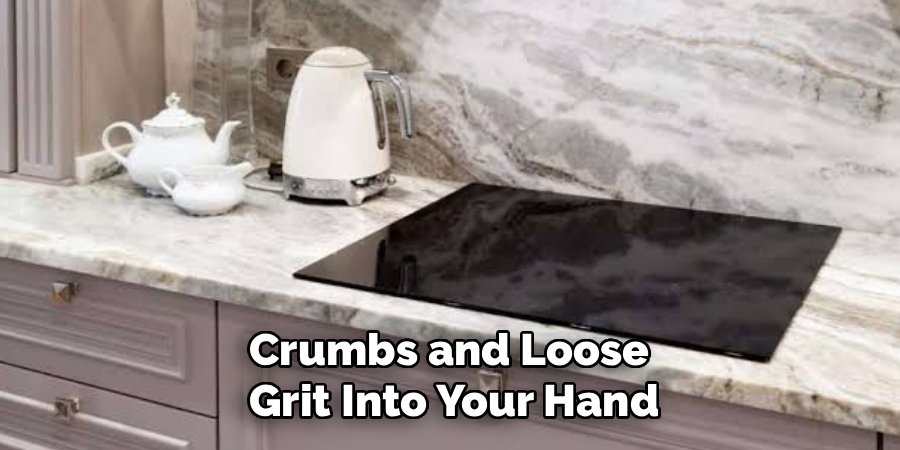
Move small appliances, dish racks, and anything sitting on the counter to the side. Brush crumbs and loose grit into your hand or a trash bin with a dry cloth. You want a clear surface before any water touches it, so you’re not just pushing food particles around in a wet smear.
Mix a Gentle Cleaning Solution
Fill your spray bottle with warm water and add a few drops of mild dish soap. That’s it — no measuring, no fancy ratio. If you prefer a ready-made product, use one specifically labeled pH-neutral and safe for natural stone. Skip anything acidic or alkaline, even if the bottle promises a sparkle.
Wipe Down With a Soft Microfiber Cloth
Lightly spray the surface or dip your microfiber cloth in the solution and wring it out. Wipe in long, overlapping strokes, working from one end of the counter to the other. For everyday cleaning, this single pass handles most spills, coffee rings, and cooking splatter. Rinse the cloth as it picks up grime so you’re not redistributing it.
Tackle Stuck-On Messes Without Scratching
Dried tomato sauce, hardened dough, or a candle wax drip needs coaxing, not scrubbing. Lay a warm, damp cloth over the spot for a minute to soften it, then lift the residue with your plastic putty knife held at a low angle. Never use a metal blade or a scouring pad — quartzite resists scratches, but the polished finish and any sealer on top don’t.
Rinse Away Soap Residue
Soap film left behind will haze the surface and attract more dirt. Wipe the whole counter once more with a fresh cloth dampened in clean water. This step takes ten seconds and makes the difference between a streaky finish and a clear one.
Dry Immediately to Prevent Water Spots

Here’s the part people skip. Buff the counter dry with a clean microfiber cloth right after rinsing. Quartzite in kitchens with hard water will show mineral spots if you let it air-dry, especially around the faucet. Drying by hand keeps that filmy buildup from ever starting.
Treating an Oil or Grease Stain
If oil has soaked into an unsealed or worn spot, make a paste of baking soda and water, spread it over the stain, and cover it with plastic wrap taped at the edges. Leave it overnight so it can draw the oil out, then wipe it clean the next morning. It may take two rounds for a deep stain, but it beats scrubbing with anything harsh.
Safe vs. Unsafe: What to Use on Quartzite
| Safe to Use | Avoid at All Costs |
| Mild dish soap and warm water | Vinegar or lemon juice |
| pH-neutral stone cleaner | Glass cleaner with ammonia |
| Soft microfiber cloths | Abrasive scouring pads |
| Non-abrasive sponge | Bleach-based disinfectants |
| Baking soda paste (for stains) | Bar Keepers Friend or gritty powders |
| Plastic putty knife | Metal scrapers or steel wool |
If you remember nothing else, remember this: anything acidic dulls the polish, and anything gritty scratches the finish. Mild soap and water clean quartzite better than any specialty spray promising miracles.
Common Mistakes to Avoid
Confusing quartzite with quartz. Quartz is engineered and shrugs off mild acids. Quartzite is natural stone and etches. Using the wrong cleaner is mistake number one.
Reaching for vinegar. It’s the go-to “natural” cleaner for so many surfaces, but on quartzite it eats away the polish and leaves a dull, rough patch that won’t buff out.
Letting spills sit. Wine, citrus juice, and coffee can stain unsealed stone if they linger. Wipe them the moment you see them.
Scrubbing with abrasives. A gritty cleanser or scouring pad leaves fine scratches that catch light and make the whole counter look worn.
Skipping the dry step. Air-drying invites water spots and soap haze, particularly with hard water.
Never resealing. Sealer wears off over time. A counter that once beaded water will start absorbing it, and that’s when stains sneak in.
Safety and Warnings
Cleaning quartzite is low-risk, but a few precautions protect both you and the stone.
- Test any new product in a hidden spot first. Wipe a small area near the back edge or under the lip and wait a few minutes before treating the whole counter. This catches a bad reaction before it shows up in the middle of your workspace.
- Never mix cleaning products. Combining bleach and ammonia creates toxic fumes. Stick to one simple soap-and-water solution and you’ll never have to worry about it.
- Ventilate when resealing. Stone sealers can give off strong fumes. Open windows, run a fan, and follow the product’s dry time before you cook or prep food on the surface.
- Avoid acidic and harsh chemicals entirely. Beyond damaging the stone, many contain irritants you don’t want lingering where you make meals.
- Wear gloves if you have sensitive skin. Even mild solutions can dry your hands out over repeated cleanings.
No respirators or heavy protection needed here — this is a gentle job. The real hazard is to the stone itself, so the “safety” that matters most is choosing the right cleaner.
Maintenance and Prevention Tips
The counters that still looked flawless years after installation all had one thing in common: their owners did small things consistently. This is the part most guides gloss over, and it’s what keeps quartzite looking new.
- Wipe up spills right away. Acidic and colored liquids are the biggest threat. A quick wipe prevents almost every stain and etch.
- Use cutting boards. Quartzite won’t scratch from a knife easily, but chopping directly on it dulls your blades and can nick any sealer. Boards protect both.
- Set down trivets and hot pads. Quartzite handles heat well, but sudden temperature swings and resin-based sealers don’t love a scorching pan straight from the stove.
- Reseal on a schedule. Test whether your counter needs sealing by dripping a little water on it. If the water beads, the seal is holding; if it soaks in and darkens the stone, it’s time to reseal. Most kitchens need this every one to two years, more often around the sink.
- Coasters under everything. Glasses of wine, juice, and even some sodas can leave rings on a tired seal. A client of mine kept a cluster of coasters by the fruit bowl just so guests had no excuse — and her ten-year-old counter still looked showroom fresh.
- Do a quick daily wipe. A fast pass with a damp microfiber cloth after dinner stops grime from building into anything that needs real scrubbing.
Frequently Asked Questions
Can you use vinegar to clean quartzite countertops?
No. Vinegar is acidic, and acid etches quartzite, leaving dull, rough spots that won’t buff out. It’s one of the most common ways people accidentally damage this stone. Stick to mild dish soap and warm water instead.
Is quartzite the same as quartz for cleaning purposes?
No, and the difference matters. Quartz is engineered and tolerates mild acids, while quartzite is natural stone that etches when it meets anything acidic. Always confirm which one you have before choosing a cleaner, because the wrong product can permanently dull quartzite.
How do you get stains out of quartzite?
For oil or grease stains, make a paste of baking soda and water, spread it over the spot, cover it with plastic wrap, and leave it overnight to draw the stain out. Wipe it clean the next day and repeat if needed. Fresh spills usually come up with just soap and water if you catch them quickly.
How often should you seal quartzite countertops?
Most quartzite needs resealing every one to two years, though high-use areas like around the sink may need it sooner. Test it by dripping water on the surface — if it beads up, the seal is fine; if it soaks in and darkens the stone, it’s time to reseal.
What’s the best everyday cleaner for quartzite?
A few drops of mild dish soap in warm water beats any specialty product for daily cleaning. Wipe with a soft microfiber cloth, rinse, and dry. If you want something pre-mixed, choose a pH-neutral cleaner labeled safe for natural stone.
Can quartzite countertops handle heat?
Quartzite tolerates heat better than most engineered surfaces, but you should still use trivets. Sudden temperature changes and any resin-based sealer on top can react badly to a pan pulled straight off the burner. Playing it safe protects both the stone and its finish.
Quartzite forgives almost everything except acid and neglect. Keep a soft cloth and mild soap within reach, wipe spills the second they happen, and check your seal once a year — do that, and this stone will stay beautiful long after the rest of your kitchen has been updated.
