
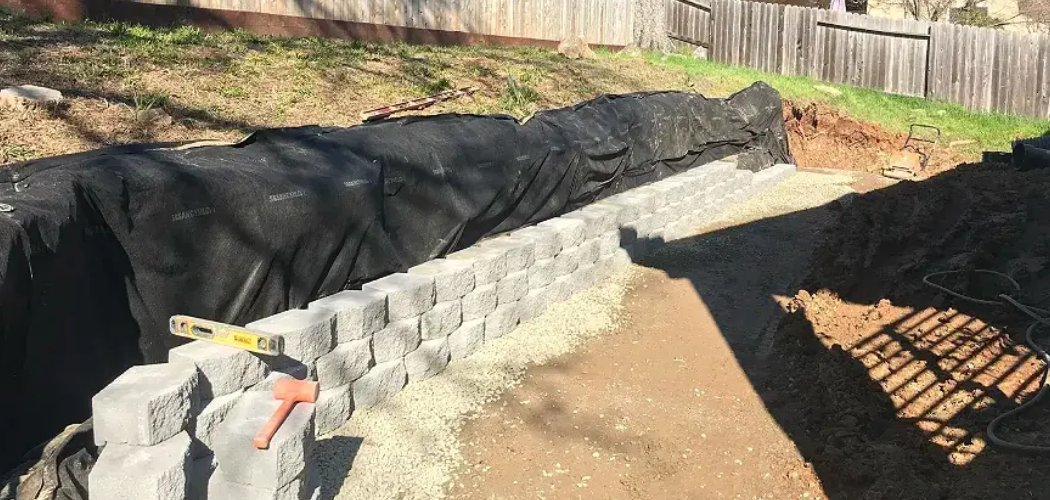
The fastest way to ruin a beautiful rock wall is to blast it with a pressure washer on full power. I watched a homeowner do exactly that to a gorgeous limestone feature wall, and within twenty minutes he’d blown out half the mortar and left pockmarks across the softer stones. Rock is tough, but the stuff holding it together usually isn’t.
Learning how to clean a rock wall well comes down to matching your method to the type of stone and the kind of grime you’re facing. Get that right, and most walls come clean with simple tools and a little patience. Push too hard, and you create damage that costs far more to fix than the dirt ever bothered you.
What You’ll Need
- Soft-bristle brush or a natural fiber scrub brush
- Garden hose with a spray nozzle
- Two buckets (one for cleaning solution, one for rinse water)
- Mild dish soap or pH-neutral stone cleaner
- White vinegar (for certain stones only — see warnings)
- Oxygen bleach (sodium percarbonate) for organic stains
- Plastic putty knife or wooden scraper
- Spray bottle
- Rubber gloves and safety glasses
- Drop cloths or plastic sheeting to protect plants and surfaces below
- Soft towels or a leaf blower for drying (optional)
Figure Out What Kind of Rock You’re Dealing With
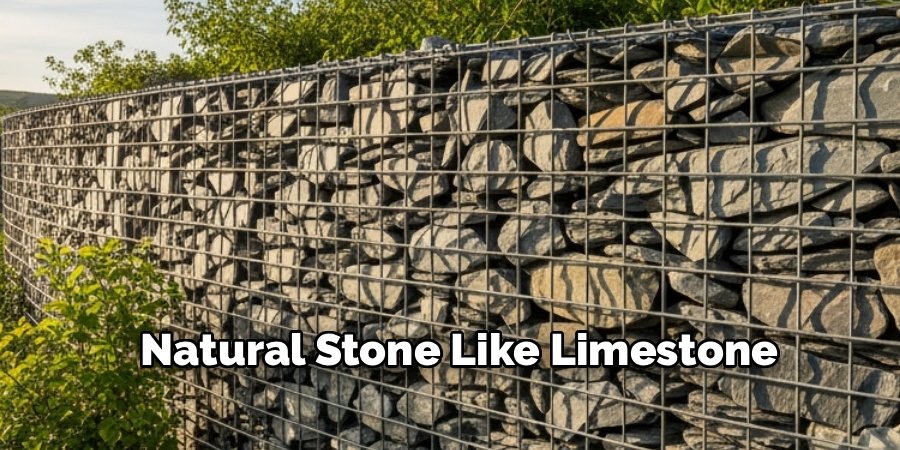
Before you wet a single stone, identify your material. Natural stone like limestone, sandstone, and travertine is porous and reacts badly to acids. Granite and slate handle more. Manufactured or cultured stone has a color coat that scrubbing too hard will wear right off.
A quick test: drip a little white vinegar on a hidden spot. If it fizzes, you’ve got calcareous stone (limestone, marble, travertine) and you must keep all acids away from it. No fizz usually means a silica-based stone like granite or sandstone that tolerates a wider range of cleaners.
Dry Brush and Clear Loose Debris First
Start dry. Knock off cobwebs, loose dirt, leaves, and any flaking material with your soft brush. Work top to bottom so debris falls away from the areas you’ve already handled.
If you see chunks of moss or caked mud, lift them gently with a plastic putty knife. Skip anything metal — it scratches stone and leaves rust marks that bloom into ugly orange stains months later.
Rinse With Plain Water Before Any Cleaner
Wet the whole wall with your hose on a gentle spray. Damp stone won’t soak cleaning solution deep into its pores, which makes rinsing far easier later. This single step prevents most of the streaking people complain about.
Again, work top to bottom. Let gravity carry the dirty water down and away.
Wash With a Mild Soap Solution
Mix a few drops of dish soap or a pH-neutral stone cleaner into a bucket of warm water. Dip your soft brush and scrub in small sections using circular motions. Let the solution sit for a couple of minutes on stubborn spots — don’t let it dry on the surface.
Tackling Mildew, Algae, and Green Stains
Shaded, damp walls grow algae and mildew, especially on the north-facing side. Mix oxygen bleach with warm water per the package directions, apply it, and give it 10 to 15 minutes to break down the organic growth. Scrub, then rinse thoroughly.
One thing clients used to ask me constantly: why does the green come back so fast? Usually it’s because water pools nearby or a downspout dumps right onto the wall. Fix the drainage and you fix the algae.
Lifting Rust and Mineral Stains
Rust from metal fixtures or hard-water runoff needs a dedicated poultice cleaner made for stone. Skip the acids on calcareous stone. Apply the poultice, cover it with plastic, and let it draw the stain out over several hours before rinsing.
Rinse Thoroughly and Let It Dry
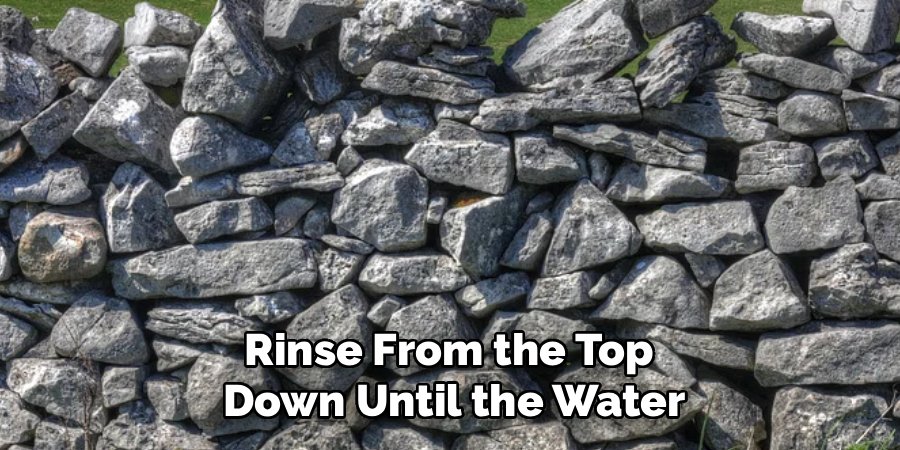
Rinse from the top down until the water runs clear and you see no soap residue. Leftover cleaner attracts dirt and can leave a dull film. Let the wall air-dry, or speed things up with a leaf blower if you want to inspect your work before it fully cures.
Method Comparison: What to Use vs. What to Avoid
| Situation | Do This | Avoid This |
| General dirt on any stone | Mild soap + soft brush | Wire brushes, harsh scouring pads |
| Algae or mildew | Oxygen bleach solution | Chlorine bleach (kills plants, discolors stone) |
| Calcareous stone (limestone, marble) | pH-neutral cleaner only | Vinegar, lemon, acidic cleaners |
| Heavy grime, large area | Low-pressure rinse (under 1,500 PSI) | High-pressure washing on mortar joints |
| Rust or mineral stains | Stone-safe poultice | Acidic rust removers on soft stone |
| Interior climbing/rock walls | Damp microfiber wipe-down | Soaking or flooding the surface |
Common Mistakes to Avoid
- Reaching for vinegar on everything. It’s fine on granite and slate, but it etches limestone, marble, and travertine permanently. When in doubt, do the fizz test.
- Using chlorine bleach outdoors. It runs off and kills your plants, and it can leave a whitish haze on darker stones.
- Letting cleaner dry on the surface. This causes streaks and residue that are harder to remove than the original dirt.
- Cranking the pressure washer. Mortar joints and softer stones can’t take it. If you must use one, keep it under 1,500 PSI and hold the nozzle at least 18 inches back.
- Skipping the rinse. Soap film dulls the finish and grabs new dirt within days.
- Cleaning in direct summer sun. Solutions evaporate before they can work, and you end up with dried-on streaks.
Safety and Warnings
Rock wall cleaning involves real hazards, so don’t skip the basics.
- Never mix cleaning products. Bleach and ammonia together create toxic chloramine gas. Bleach and vinegar release chlorine gas. Use one product, rinse fully, then move on.
- Wear PPE. Rubber gloves and safety glasses are non-negotiable, especially with oxygen bleach and poultice cleaners that can irritate skin and eyes.
- Test in a hidden spot first. Every stone reacts differently. Try your cleaner on an out-of-sight corner and wait a few minutes before committing to the whole wall.
- Protect what’s below. Cover plants, decking, and metal fixtures with drop cloths so runoff doesn’t damage them.
- Ventilate indoor jobs. If you’re cleaning an interior stone feature, open windows and keep air moving.
- Mind your footing. Wet stone and ladders are a bad combination. Work from stable ground whenever you can.
How to Keep Your Rock Wall Clean Longer
The best cleaning is the one you rarely have to do. A little prevention stretches the time between deep cleans and keeps stains from setting in.
- Seal porous stone. A quality breathable stone sealer repels water and grime. Reapply every one to three years depending on exposure. This is the step most people skip and later regret.
- Fix drainage issues. Redirect downspouts and gutters away from the wall. Standing moisture is what feeds algae and mildew.
- Trim back nearby plants. Overhanging branches drop debris and create the shade that organic growth loves.
- Do a light rinse seasonally. A quick hose-down each spring and fall clears pollen and dust before it bonds to the surface.
- Wipe interior walls monthly. Dust settles into the texture fast. A dry microfiber pass keeps it from turning into grime.
I always tell people to time their outdoor deep clean for late spring, once the pollen settles but before summer heat makes solutions evaporate too quickly. It’s the sweet spot for results that actually last.
Frequently Asked Questions
Can I use a pressure washer on a rock wall?
You can, but carefully. Keep the pressure under 1,500 PSI, use a wide fan tip, and hold the nozzle at least 18 inches from the surface. Never aim directly at mortar joints, and avoid pressure washing softer stones like sandstone and limestone entirely.
How do I remove green algae from an outdoor stone wall?
Apply an oxygen bleach solution mixed with warm water, let it sit for 10 to 15 minutes, then scrub with a soft brush and rinse well. If the algae keeps returning, check for poor drainage or a downspout dumping water on the wall.
Is vinegar safe to clean stone with?
Only on acid-resistant stones like granite and slate. Vinegar will etch and permanently dull limestone, marble, and travertine. Do a small fizz test in a hidden spot — if it bubbles, keep vinegar away and use a pH-neutral cleaner instead.
How often should I clean a rock wall?
A light rinse twice a year plus a full clean once a year works for most outdoor walls. Shaded or damp walls may need more frequent attention. Interior stone features only need a monthly dusting and an occasional damp wipe.
What’s the best way to clean an indoor rock climbing wall?
Wipe holds and surfaces with a damp microfiber cloth and a mild, diluted cleaner, then dry them. Avoid soaking the wall, and check the manufacturer’s guidance, since some holds and textured panels have specific care instructions.
Why does my rock wall keep getting dirty so fast?
Usually it’s unsealed porous stone soaking up grime, or a moisture problem feeding algae and mildew. Seal the stone and correct any drainage issues, and you’ll go far longer between cleanings.
Final Thoughts
Clean rock walls come down to matching your method to your material and resisting the urge to go too aggressive. Take the time to identify your stone, test before you commit, and seal it when you’re done. Do that, and your wall will stay looking sharp with a fraction of the effort next time around.
