
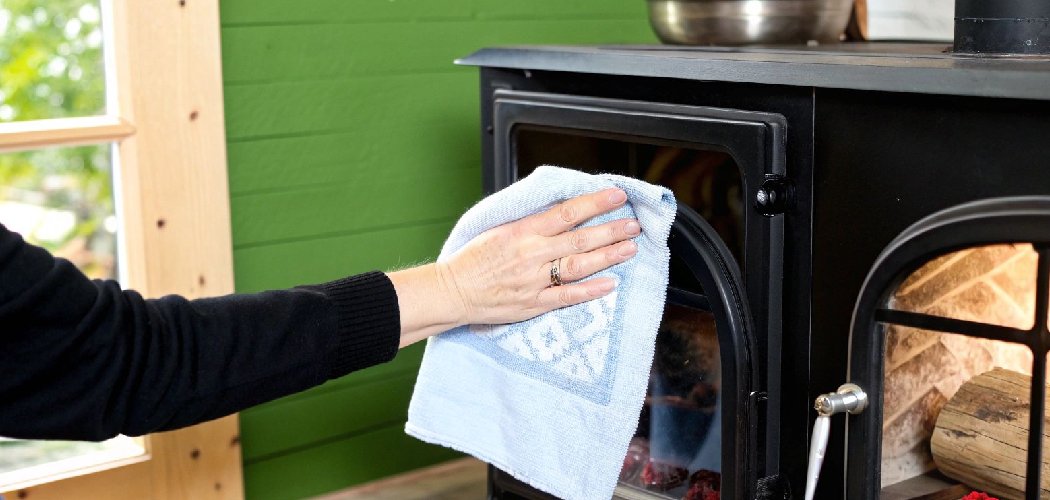
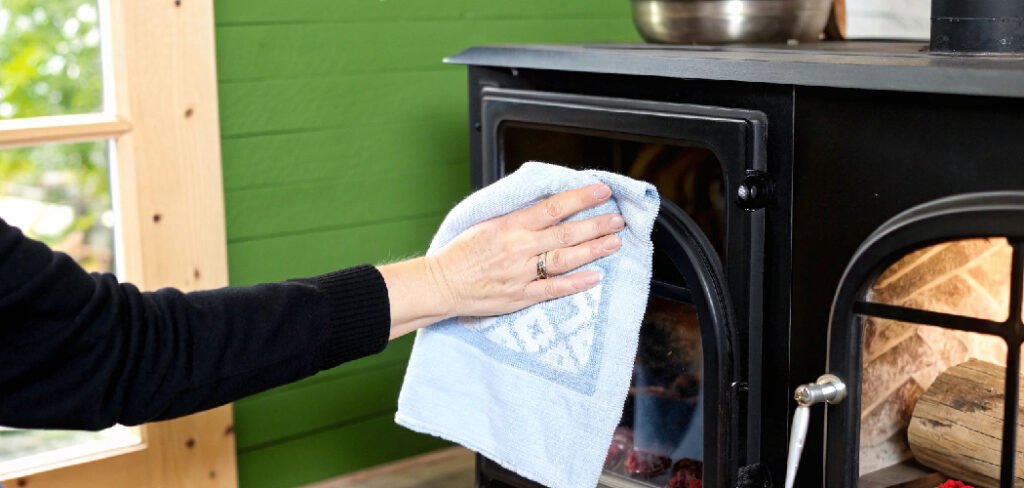
A homeowner once handed me a bottle of glass cleaner and asked why her cast iron stove looked “cloudy and streaky” no matter how hard she scrubbed. She’d been spraying an ammonia-based cleaner straight onto warm cast iron for a whole winter — and every spritz was lifting the black finish and leaving milky gray patches behind. That one habit does more damage to a stove’s body than a decade of woodsmoke ever could.
The outside of a wood burning stove isn’t like a kitchen counter, and it doesn’t respond to the same sprays and pads. Knowing how to clean a wood burning stove exterior means matching your method to the surface — cast iron, painted steel, enamel, or glass all want a different touch. Get that right and the body stays matte-black and even instead of streaky and worn.
What You’ll Need
Set everything out before you start, because cast iron and painted steel both hate sitting half-cleaned while you hunt for a rag:
- Soft, lint-free cloths or microfiber towels
- A stiff-bristle non-metal brush (a paintbrush or toothbrush works for detail)
- A soft-bristle brush or vacuum brush attachment for loose ash
- A bucket of warm water
- Mild dish soap (for enamel and glass only)
- White vinegar
- Fine (0000) steel wool — for cast iron only
- Stove polish or stove blacking paste
- Stove paint (matching your finish, for touch-ups)
- A damp cloth and a dry cloth for the glass
- Wood ash from the firebox (yes, really — it’s your best glass cleaner)
- Painter’s tape and newspaper (for masking during touch-ups)
- Nitrile or work gloves
- A dust mask
Wait for the Stove to Go Completely Cold
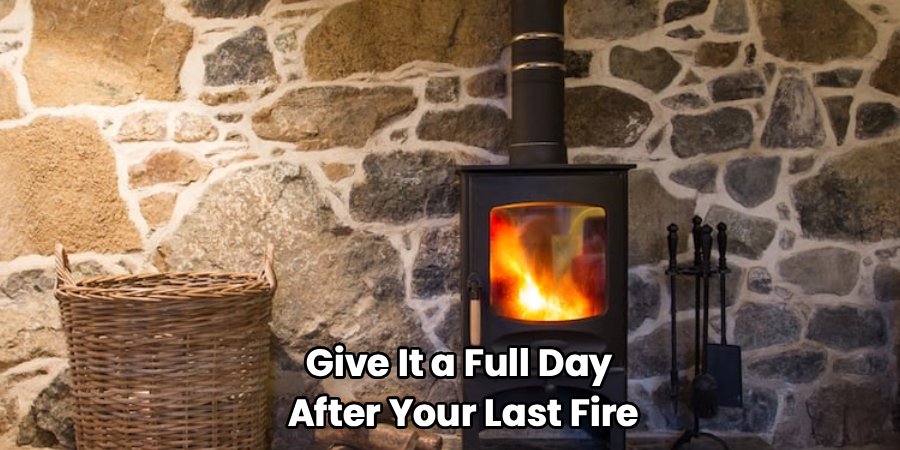
Give it a full day after your last fire. Cast iron holds heat in its body long after the surface feels cool to a quick touch, and applying polish, water, or any cleaner to warm metal is how you get streaks, flash-dried smears, and burned fingertips. A cold stove is non-negotiable for every step that follows.
Once it’s cold, spread newspaper or a drop cloth around the base. Loose ash and old polish flake off during cleaning, and it drifts further across the floor than you’d expect.
Dust and Vacuum Off Loose Ash First
Before any liquid touches the stove, clear the dry debris. Run a soft brush or your vacuum’s brush attachment over the whole body, working top to bottom so you’re not knocking soot onto areas you’ve already done.
Pay attention to the seams, the trivet or top plate, and the little ledges around the door where fine ash collects and cakes. If you wet this soot before removing it, you’ll smear it into a gray film that’s twice the work to lift back off.
Clean Cast Iron Without Stripping the Finish
Cast iron is the surface people damage most, usually by treating it like enamel. Skip the soap and water — cast iron can flash-rust, and soap dulls the finish.
For general grime, wipe the cold iron with a dry cloth or one barely dampened with water, then dry it immediately. For stubborn spots or light surface rust, work fine 0000 steel wool gently in the direction of any grain, then wipe away the residue.
Reblack Faded or Rusty Cast Iron
When the black has gone gray and patchy, that’s your cue to reblack it. Apply a thin layer of stove blacking paste with a cloth or brush, let it haze over per the product’s timing, then buff it out with a clean cloth until it comes up to a soft sheen.
Clients used to ask me why their freshly blacked stove “smoked” the first time they lit it — that’s the polish curing off, and it’s normal. Open a window, run a low fire the first time, and the smell clears within a burn or two.
Wipe Down Painted Steel Bodies
Modern steel stoves usually wear a heat-resistant matte paint, and it’s tougher than cast iron blacking but not invincible. Wipe it with a cloth dampened in warm water, and for greasy film add a drop of mild soap, then rinse the cloth and go over it again with clean water.
Never use steel wool or an abrasive pad on painted steel — it scratches straight through to bare metal and invites rust. Where the paint has chipped or scorched thin, mask the area and touch it up with matching high-temp stove paint rather than trying to scrub it even.
Bring Enamel Panels Back to a Shine
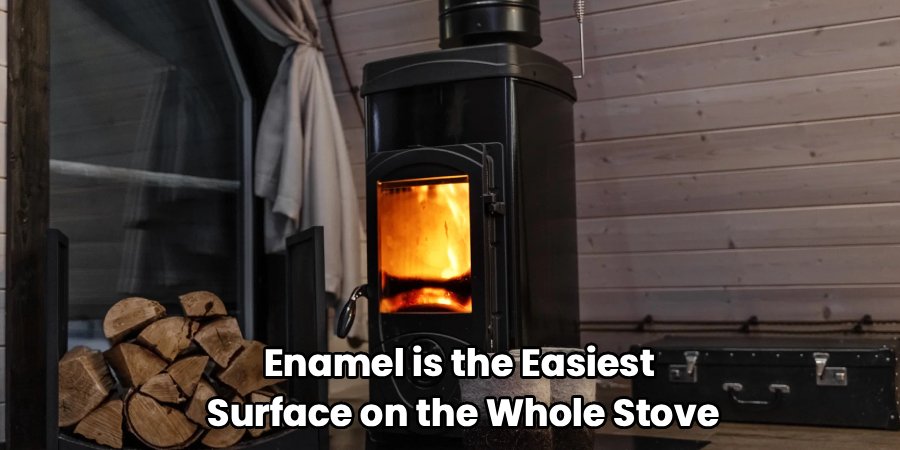
Enamel is the easiest surface on the whole stove — it’s basically glass fused to metal, so warm water and a drop of dish soap handle almost everything. Wipe, rinse, and dry with a soft cloth to avoid water spots.
For baked-on splatter, a paste of baking soda and a little water lifts it without scratching. Steer clear of anything gritty or acidic left sitting on enamel, and never use metal tools on it — chips in enamel don’t buff out.
Clear the Glass With Wood Ash
The glass door earns its own method, and the best cleaner is already sitting in your firebox. Dip a damp cloth into fine, cooled wood ash, wipe the sooty glass in small circles, and watch the black haze lift off. Ash is a mild natural abrasive — mildly gritty, never scratchy on ceramic glass.
Finish with a clean damp cloth to clear the residue, then buff dry. Skip commercial glass sprays here; ammonia-based ones can leave a film that bakes on at the next fire and clouds worse than the soot did.
Cast Iron vs. Painted Steel vs. Enamel: What to Use
Each exterior surface has its own rules, and the fastest way to ruin a stove is to bring a cast iron method to an enamel panel or vice versa.
| Surface | Use This | Avoid This | Why It Matters |
| Cast iron | Dry cloth, 0000 steel wool, stove blacking | Soap, water left to sit, abrasive pads | Soap dulls it; standing water flash-rusts bare iron |
| Painted steel | Warm water, mild soap, high-temp touch-up paint | Steel wool, scouring pads | Abrasives scratch through paint to bare metal |
| Enamel | Warm soapy water, baking soda paste | Metal tools, gritty or acidic cleaners | Chips and scratches in enamel are permanent |
| Ceramic glass | Damp cloth with wood ash | Ammonia glass sprays, razor scraping | Sprays bake into a film; blades scratch the glass |
| All surfaces | Cleaning cold, drying fully | Working on a warm stove | Heat streaks polish and flash-dries smears |
Match the method to the metal and you’ll keep every panel looking factory-fresh for years.
Common Mistakes to Avoid
These are the errors I saw over and over, and each one leaves a visible mark:
- Spraying cleaner on a warm stove. Heat flash-dries the liquid into streaks and can lift the finish. Always wait for cold.
- Using soap and water on cast iron. It dulls the blacking and leaves bare spots open to rust.
- Reaching for steel wool on painted or enamel surfaces. It scratches through the finish permanently.
- Wetting soot before dusting it off. You turn dry, brushable ash into a smeared gray film.
- Skipping the reblacking. Once cast iron goes gray, no amount of wiping brings the color back — only fresh blacking does.
- Using ammonia glass spray on the door. It bakes into a haze at the next fire that’s worse than the original soot.
Safety and Warnings
The exterior isn’t as hazardous as the flue, but there are still real risks worth respecting.
Only work on a stone-cold stove. Give it 24 hours. Cast iron radiates heat long after it feels cool, and warm metal burns skin and ruins your cleaning results.
Ventilate when using stove polish or high-temp paint. These products give off fumes as they cure. Open windows, run a fan, and wear gloves — stove blacking stains skin and is a mess to scrub off.
Never mix cleaning products. Don’t combine ammonia-based cleaners with anything containing bleach; the fumes are genuinely dangerous. On a stove exterior you rarely need more than water, mild soap, vinegar, or wood ash anyway.
Wear a dust mask for the ash step. Fine ash and old soot are easy to inhale and irritate your eyes and lungs.
Test any new product in a hidden spot first. Try it low on the back or side before you touch a visible panel, especially on enamel or painted finishes.
Handle ash as if it’s live. Embers can smolder in ash for days. Only use ash that’s been cold for well over 24 hours, and keep it in a metal container away from anything flammable.
Maintenance and Prevention Tips
A little routine care keeps the deep cleaning quick and the body looking new far longer:
- Wipe the stove down after it cools, every week or two during burning season. A quick dry dusting stops soot from building into a baked-on film.
- Clean the glass while soot is still fresh. A light wood-ash wipe once a week beats scrubbing a season’s worth of tar-black haze.
- Reblack cast iron once a year. Late summer, before you light the first fire, is the ideal window — the stove’s cold, the room’s ventilated with open windows, and you avoid the curing smell during a cozy winter evening.
- Touch up paint chips as soon as you spot them. Bare metal rusts fast in a stove’s heat-and-cool cycle; a dab of high-temp paint stops it early.
- Keep a dry cloth near the stove. Catching splatters and drips while they’re fresh saves you from scraping later.
- Burn seasoned, dry wood. Damp wood throws more soot onto the glass and body, which means more cleaning for you.
Frequently Asked Questions
What’s the best cleaner for a wood stove exterior?
It depends on the surface. Cast iron wants a dry cloth and stove blacking — no soap. Painted steel and enamel take warm water with a drop of mild dish soap. For the glass, cooled wood ash on a damp cloth beats any commercial spray. Match the cleaner to the metal and you can’t go wrong.
Can you use water on cast iron stove exterior?
Only sparingly, and dry it immediately. A barely-damp cloth is fine for a quick wipe, but never let water sit on bare or blacked cast iron — it flash-rusts. Skip soap entirely on cast iron; it dulls the finish.
How do you get soot off the outside of a wood stove?
Dust and vacuum the loose soot off dry first — never wet it, or it smears. Then wipe the body with the right method for your surface. For the glass, a damp cloth dipped in fine wood ash lifts baked-on soot without scratching.
Why does my stove look streaky after cleaning?
Almost always because you cleaned it while it was still warm, or you used a soap or spray that left a film. Heat flash-dries liquid into streaks. Let the stove go fully cold, use the right product for the surface, and buff dry with a lint-free cloth.
How often should you clean a wood stove exterior?
A quick dust and glass wipe every week or two during burning season keeps buildup down. Do a thorough clean and reblack cast iron once a year, ideally in late summer before your first fire. Staying ahead of it turns a big job into a five-minute habit.
Can you repaint a wood burning stove?
Yes — with high-temp stove paint rated for the heat, never regular paint. Clean and lightly scuff the surface, mask nearby trim and glass, and apply thin coats in a well-ventilated space. Expect a curing smell on the first burn or two, which is normal.
Final Word
Treat each surface on its own terms — dry methods and blacking for cast iron, mild soap for enamel and painted steel, and wood ash for the glass — and always work on a stone-cold stove. Handle the quick wipe-downs through the season and one yearly reblacking in late summer, and your stove stays matte-black and even instead of gray and streaky.
